

Introduction to Desulfurization Gypsum Powder Conveying System: Structure and Working Principle
The desulfurization gypsum powder conveying system is a specialized equipment designed for the efficient transportation of gypsum powder, a byproduct of flue gas desulfurization processes in power plants and other industrial facilities. This system is crucial for handling the fine, dry powder efficiently, ensuring minimal dust generation and maintaining system integrity. The system is engineered to meet the demands of industrial applications where reliable and consistent material transport is essential.
Key Components and Structure of the Conveying System
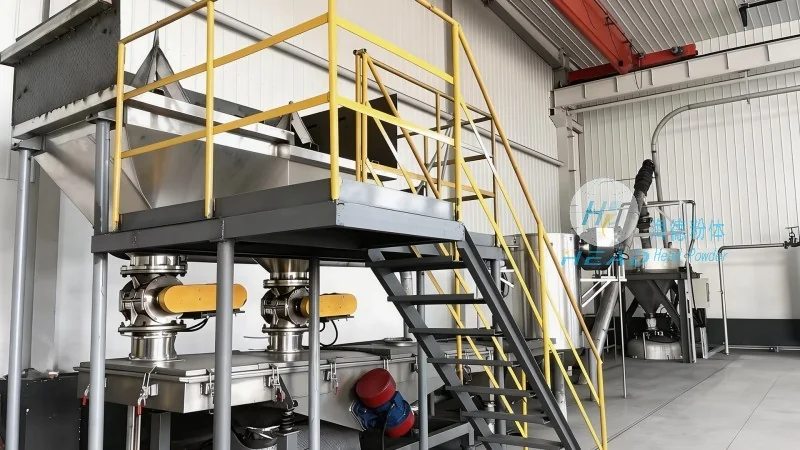
The desulfurization gypsum powder conveying system typically consists of several core components that work in tandem to achieve effective material handling. The primary components include a hopper for material storage, a feeding mechanism to control the flow of gypsum powder, a conveyor (such as a pneumatic or mechanical conveyor), and a dust collection system to ensure environmental compliance. The hopper is designed with a sloped bottom to facilitate smooth material discharge, while the feeding mechanism, often a rotary valve or a screw feeder, regulates the flow rate to match the conveyor's capacity. The conveyor itself can be either pneumatic, utilizing air pressure to move the powder through a pipeline, or mechanical, employing belts or buckets to transport the material over longer distances. The dust collection system, integrated into the design, captures any airborne particles, preventing contamination and ensuring safe operation. The entire system is constructed with materials resistant to corrosion and abrasion, such as stainless steel or high-grade alloys, to withstand the chemical and physical stresses associated with gypsum powder. The structural design emphasizes durability and ease of maintenance, with accessible components for routine checks and repairs. The system's layout is optimized for space efficiency, allowing it to be integrated into existing industrial setups without significant modifications. Each component is carefully selected to ensure compatibility with the gypsum powder's properties, including its moisture content and particle size distribution, which can vary based on the source and processing conditions.
Working Principle of the Conveying System
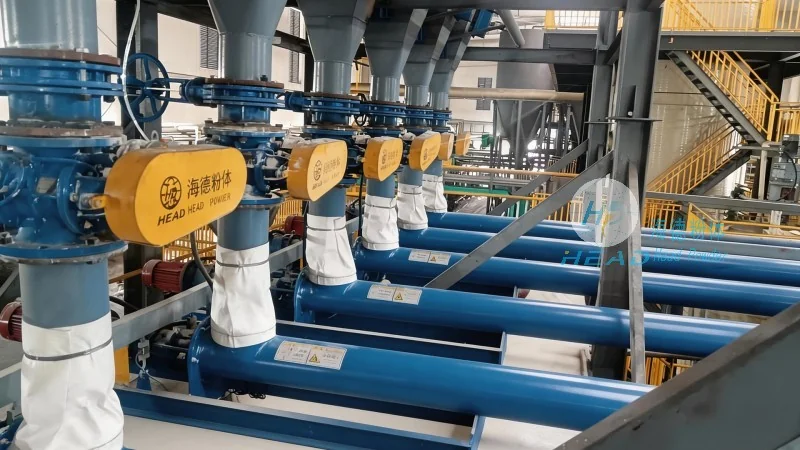
The operation of the desulfurization gypsum powder conveying system follows a systematic process that ensures efficient and controlled material transport. The process begins with the storage of gypsum powder in the hopper. The hopper is filled with the powder, and its sloped design allows the material to flow into the feeding mechanism. The feeding mechanism, typically a rotary valve or a screw feeder, regulates the flow rate by controlling the speed or rotation. This controlled flow is then directed into the conveyor system. In a pneumatic conveyor, the powder is mixed with air and transported through a pipeline under pressure. The air acts as the medium, carrying the powder particles through the system. The pipeline is equipped with bends and valves to direct the flow and control the pressure. In a mechanical conveyor, such as a belt or bucket conveyor, the powder is placed on a moving surface (belt or buckets) and transported along the path. The conveyor's speed is adjusted to maintain a consistent flow rate, preventing overloading or underloading. The system also includes a dust collection system, which operates in parallel with the conveyor. As the powder is transported, any particles that become airborne are captured by the system's filters or cyclones. The collected dust is then returned to the hopper or disposed of according to environmental regulations. The entire process is monitored by sensors and control systems that adjust the flow rate, pressure, or speed as needed to maintain optimal performance. The control system ensures that the conveying process is continuous and stable, minimizing downtime and maximizing material throughput. The working principle is designed to be energy-efficient, using the least amount of power required to transport the gypsum powder while maintaining the required flow rate. The system's design also considers the safety aspects, such as preventing dust explosions by maintaining proper ventilation and using explosion-proof components where necessary. The integration of these principles ensures that the desulfurization gypsum powder conveying system operates reliably and safely, meeting the industrial standards for material handling.
Applications and Benefits of the Conveying System
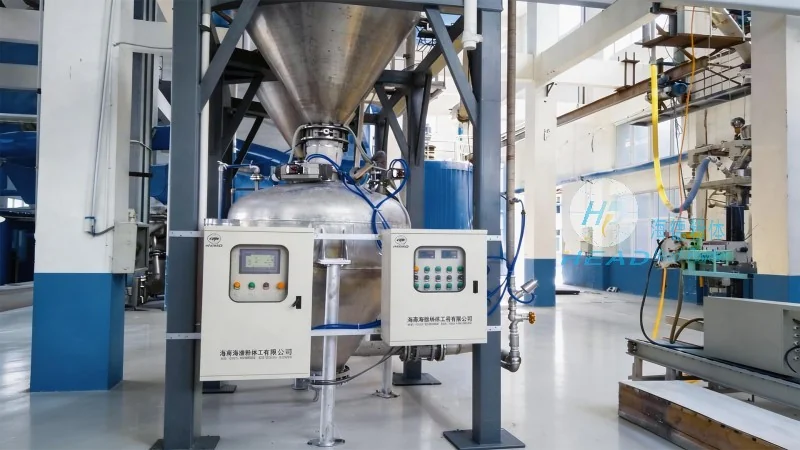
The desulfurization gypsum powder conveying system finds extensive applications in various industrial sectors, particularly in power generation and chemical manufacturing. Its primary use is in the transportation of gypsum powder from the desulfurization unit to storage or processing facilities. The system is also utilized in the production of gypsum-based products, such as gypsum boards, plaster, and cement, where the powder is a key raw material. In power plants, the system is integrated into the flue gas desulfurization (FGD) process, where the gypsum is a byproduct of removing sulfur dioxide from exhaust gases. The system efficiently collects and transports the gypsum, which is then used in construction materials, reducing waste and promoting sustainable practices. The benefits of using this system are significant, including improved material handling efficiency, reduced labor costs, and enhanced safety. The system minimizes dust generation, which improves working conditions and reduces the risk of respiratory issues for workers. It also ensures that the gypsum powder is transported without contamination, maintaining the quality of the final product. The system's design allows for easy integration with existing industrial setups, reducing the need for major renovations or new constructions. Additionally, the system is energy-efficient, using less power compared to traditional methods of transporting bulk materials. The reliability of the system is another key benefit, with minimal downtime due to its robust design and regular maintenance. The system's ability to handle varying flow rates and material properties makes it versatile for different industrial applications. Overall, the desulfurization gypsum powder conveying system provides a cost-effective and sustainable solution for handling gypsum powder, contributing to the efficiency and environmental compliance of industrial operations.