

Introduction to Cement Auxiliary Powder Conveying Systems: Structure and Working Principles
Cement auxiliary powder conveying systems are critical components in the modern cement production and processing industry. These systems are designed to efficiently transport various auxiliary powders, such as fly ash, slag, and limestone, which are essential additives in cement manufacturing. The effectiveness of these systems directly impacts the quality, efficiency, and sustainability of cement production processes. In this article, we will explore the key components, structural design, and operational principles of cement auxiliary powder conveying systems, with a focus on the solutions provided by Shandong HeadPowder Engineering Co., Ltd.
Key Components of the Conveying System
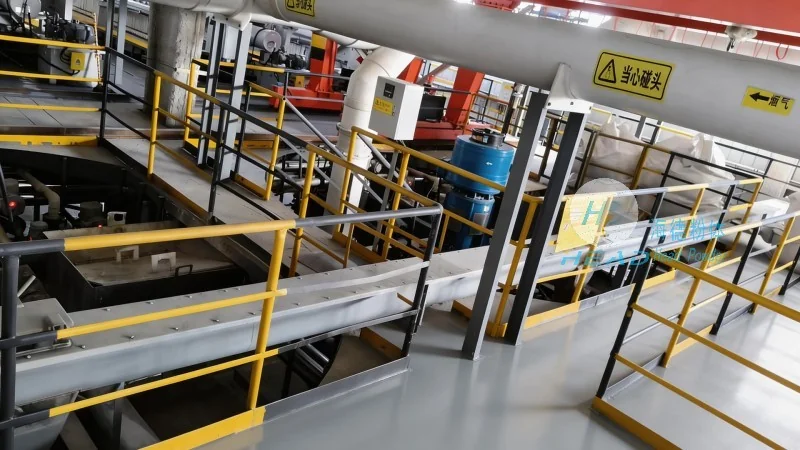
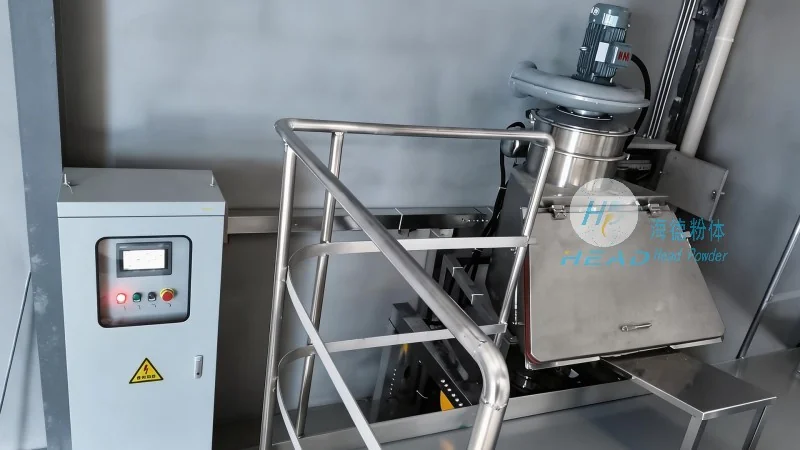
The cement auxiliary powder conveying system typically consists of several core components that work in tandem to ensure reliable and efficient material transport. The primary components include the material hopper, feeding equipment, conveying pipeline, air compressor, and control system. The material hopper is responsible for storing the auxiliary powders, providing a consistent feed to the feeding mechanism. The feeding equipment, often a screw feeder or rotary valve, regulates the flow rate of the material into the conveying pipeline. The conveying pipeline, usually made of stainless steel or other corrosion-resistant materials, is designed to handle the abrasive nature of cement powders. The air compressor generates the necessary air pressure to move the material through the pipeline, while the control system monitors and adjusts the operation parameters to maintain optimal performance.
Structural Design and Working Principles
The structural design of a cement auxiliary powder conveying system is engineered to address the unique challenges of handling fine powders. The system operates on the principle of pneumatic conveying, where compressed air is used to transport the material particles. The material is fed into the pipeline at a controlled rate, and the air flow creates a low-pressure zone that draws the powder along with it. This method is particularly effective for transporting powders over long distances and at varying heights. The design incorporates features such as pulse jet cleaning mechanisms to prevent material buildup and blockages in the pipeline, ensuring continuous operation. Additionally, the system is equipped with safety features, including pressure relief valves and overcurrent protection, to safeguard against operational hazards.
Advantages of the System
Implementing a well-designed cement auxiliary powder conveying system offers numerous advantages for cement manufacturers. Firstly, it enhances production efficiency by reducing downtime caused by material handling issues. The automated feeding and conveying processes minimize manual intervention, leading to consistent material flow rates. Secondly, the system improves product quality by ensuring precise control over the addition of auxiliary powders, which directly affects the final properties of the cement. Thirdly, it contributes to cost savings through reduced energy consumption and lower maintenance requirements compared to traditional conveying methods. The use of corrosion-resistant materials and advanced control systems also extends the lifespan of the equipment, providing long-term value for the investment.
Application in Cement Production
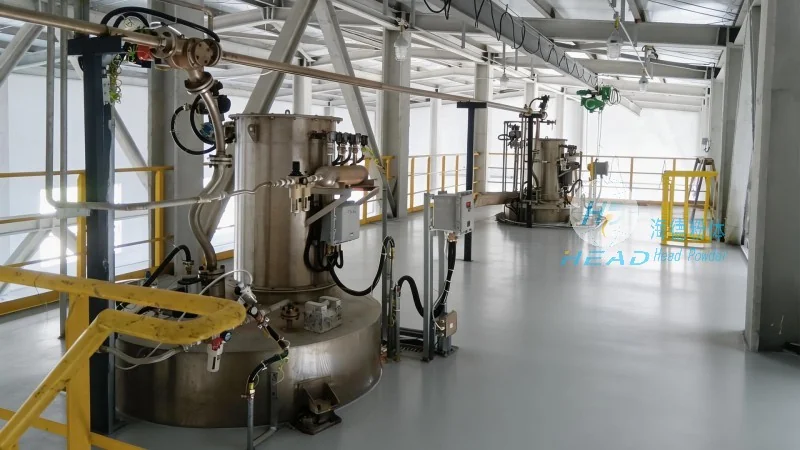
Cement auxiliary powder conveying systems are widely used in various stages of cement production, from raw material preparation to final product packaging. In the raw material stage, these systems transport fly ash and slag from storage silos to the mixing plant. During the clinker production process, they deliver limestone and other additives to the kiln. The systems are also employed in the finishing stage to add supplementary materials to the cement clinker, ensuring the final product meets industry standards. The versatility of the system allows it to handle different types of powders with varying particle sizes and moisture content, making it a versatile solution for diverse cement production needs.
Company Profile: Shandong HeadPowder Engineering Co., Ltd.
Shandong HeadPowder Engineering Co., Ltd., commonly known as HeadPowder, is a leading manufacturer and supplier of advanced powder handling solutions in China. With a focus on innovation and quality, the company has established itself as a trusted partner for cement and other industrial sectors. HeadPowder specializes in designing and manufacturing customized conveying systems tailored to the specific requirements of each client. The company's team of engineers and technicians leverages years of experience to develop solutions that enhance operational efficiency and product quality. HeadPowder's facilities are equipped with state-of-the-art technology and adheres to international standards, ensuring the reliability and durability of its products. The company's commitment to customer satisfaction and technical excellence has earned it a reputation for delivering high-performance powder handling systems that meet the evolving needs of the industry.