

[Detailed Explanation of Lime Pneumatic Conveying Systems]
HeadPowder, a leading provider in the field, specializes in advanced pneumatic conveying solutions tailored for lime handling. This article delves into the technical aspects, operational benefits, and practical applications of lime pneumatic conveying systems, offering a comprehensive overview for industry professionals.
Company Overview
HeadPowder, or Shandong HeadPowder Engineering Co., Ltd., is a reputable enterprise based in Shandong, China. With a strong commitment to innovation and quality, the company has established itself as a key player in the engineering and manufacturing of pneumatic conveying systems. Our expertise lies in designing and supplying customized solutions that meet the diverse needs of clients across various industries.
Understanding Lime Pneumatic Conveying
Lime, a versatile industrial material, is often transported in bulk quantities across long distances or within industrial facilities. Pneumatic conveying systems offer an efficient and reliable method for handling lime, ensuring minimal dust generation, reduced material degradation, and enhanced safety compared to traditional methods like belt conveyors or manual handling.
Key Components of a Lime Pneumatic Conveying System
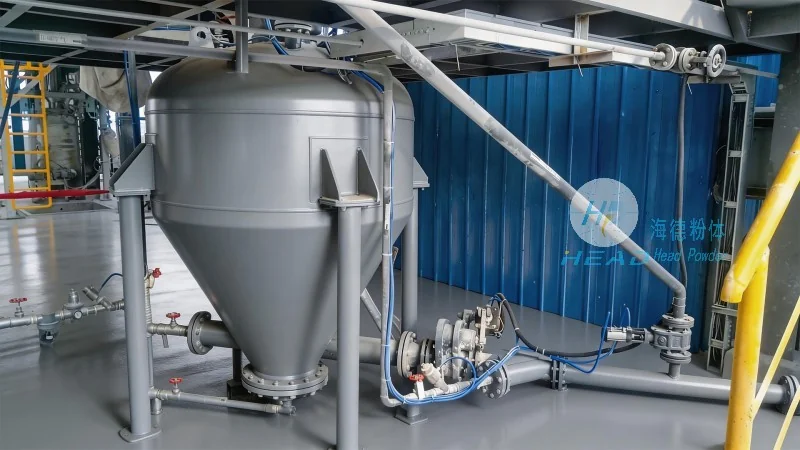
A typical lime pneumatic conveying system comprises several critical components that work in synergy to ensure smooth operation. These include a material hopper for storage, a feeder to control the flow rate, a conveying pipeline network, a blower or compressor to generate the necessary air pressure, and a receiver or discharge unit for material collection. Each component is carefully selected and engineered to handle the specific characteristics of lime, such as its particle size, density, and moisture content.
Types of Pneumatic Conveying Systems for Lime
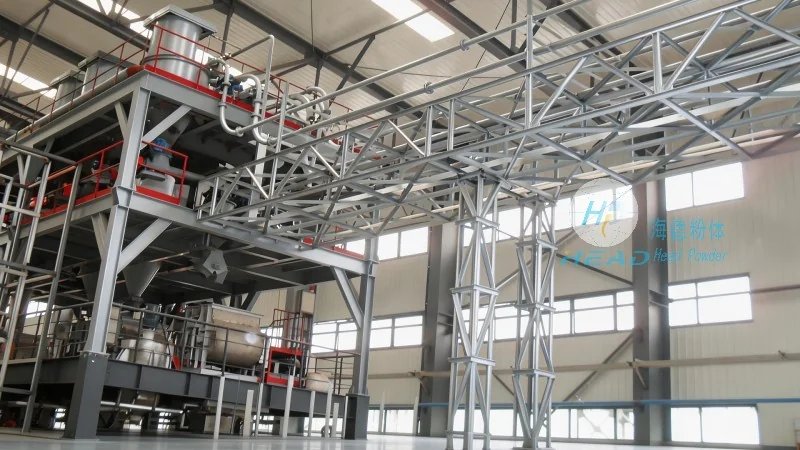
There are primarily two types of pneumatic conveying systems used for lime: positive pressure and negative pressure systems. Positive pressure systems utilize a blower to force air and material through the pipeline, making them suitable for long-distance or high-capacity applications. Negative pressure systems, on the other hand, use a vacuum to draw material into the pipeline, which is ideal for short-distance or low-volume transport. The choice between these systems depends on factors like the distance between the source and destination, the required flow rate, and the environmental considerations of the operation.
Advantages of Using Pneumatic Conveying for Lime
Implementing a pneumatic conveying system for lime offers numerous advantages over conventional handling methods. Firstly, it significantly reduces dust exposure, improving workplace safety and compliance with environmental regulations. Secondly, the system minimizes material degradation by avoiding mechanical friction and impact, which is crucial for maintaining the quality of lime for its intended applications. Thirdly, pneumatic conveying systems are highly flexible, allowing for easy integration with existing production lines and the ability to transport materials to multiple destinations from a single source. Additionally, these systems offer energy efficiency and lower operational costs in the long run, as they eliminate the need for heavy machinery and reduce maintenance requirements.
Applications and Industries
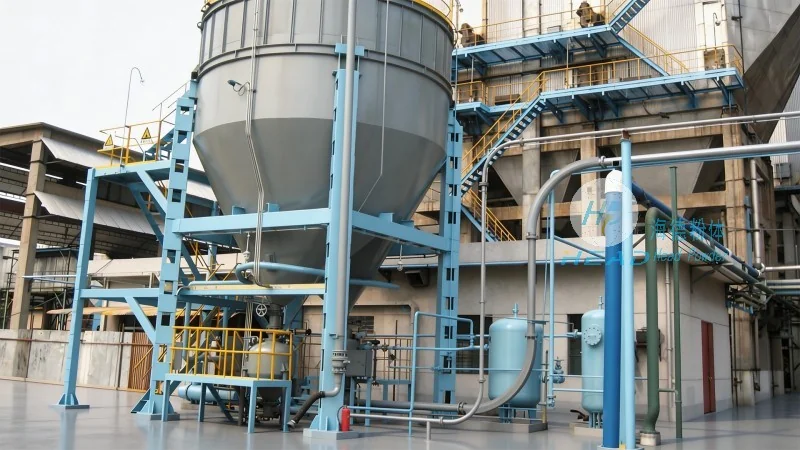
Lime pneumatic conveying systems are widely used across various industries where lime is a critical raw material. In the chemical industry, lime is used in the production of calcium compounds, and the conveying system ensures a consistent supply of high-quality material. In the steel industry, lime is essential for steelmaking processes, and the system facilitates its transport from storage to the blast furnace. The construction industry also benefits from lime pneumatic conveying, as lime is used in concrete production and other building materials. Furthermore, in the environmental sector, lime is used for flue gas desulfurization and wastewater treatment, and the system enables efficient handling and distribution of lime in these applications.
Customization and Integration
HeadPowder understands that each industrial application has unique requirements. Therefore, we offer customized pneumatic conveying solutions tailored to the specific needs of our clients. Our engineering team works closely with customers to assess their operational parameters, material characteristics, and site constraints to design a system that maximizes efficiency and performance. The systems can be integrated with existing infrastructure, such as storage silos, processing equipment, and control panels, ensuring seamless operation and minimal disruption to current workflows. We also provide comprehensive support, including installation, commissioning, and after-sales service, to ensure the long-term reliability and optimal performance of the conveying system.
Conclusion
Lime pneumatic conveying systems represent a sophisticated and efficient solution for handling bulk materials in industrial settings. By leveraging advanced engineering and technology, these systems offer significant benefits in terms of safety, material quality, and operational efficiency. As a leading provider, HeadPowder continues to innovate and deliver high-quality pneumatic conveying systems that meet the evolving needs of the industry. Whether for short or long-distance transport, HeadPowder's solutions ensure reliable and cost-effective lime handling, contributing to the success of our clients' operations.