

PVA-Formaldehyde Pneumatic Conveying Technology: Principles, Applications, and Development Trends
HeadPowder, a leading engineering firm based in Shandong, China, specializes in advanced material handling solutions, including the development and implementation of PVA-formaldehyde pneumatic conveying systems. This technology represents a sophisticated approach to transporting fine powders and granules, leveraging the principles of pneumatic transport to enhance efficiency and safety in industrial processes.
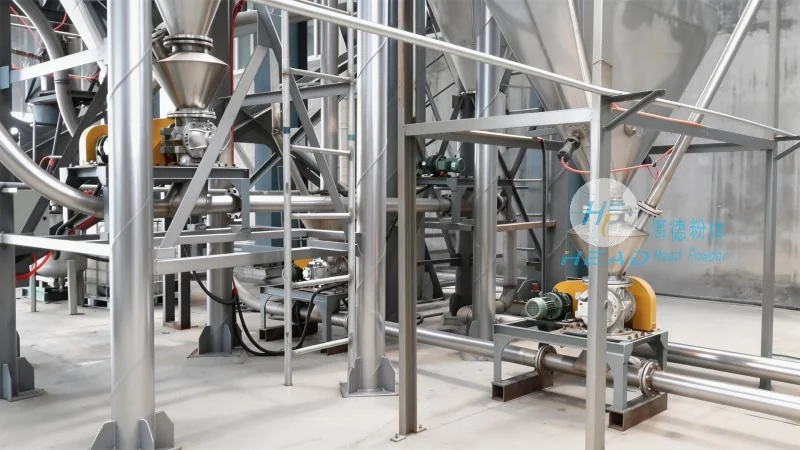
Pneumatic conveying, in general, involves the movement of solid particles through a pipeline using a gas stream, typically air. The PVA-formaldehyde material, a polymer with unique chemical and physical properties, requires specialized handling techniques due to its hygroscopic nature and potential for agglomeration. The technology integrates these characteristics with pneumatic transport mechanisms to ensure reliable and consistent material transfer.
The core principle of PVA-formaldehyde pneumatic conveying lies in the interaction between the solid particles and the air flow. The system typically consists of a feeding device, a conveying pipeline, a separation unit, and a collection container. The feeding mechanism introduces the PVA-formaldehyde powder into the pipeline, where it is entrained by the high-velocity air stream. The air flow carries the particles through the pipeline, and the separation unit, often a cyclone or a filter, separates the solid material from the air. The collected PVA-formaldehyde is then transferred to the desired location, while the air is either recirculated or vented, depending on the system design.
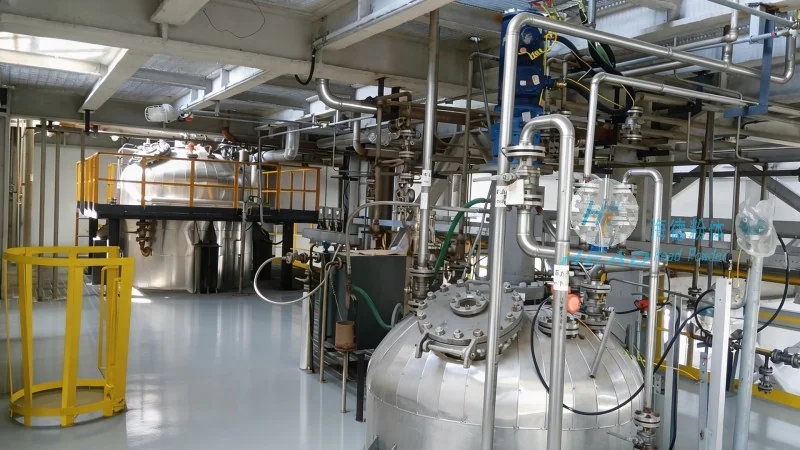
Key components of the PVA-formaldehyde pneumatic conveying system include the material feeders, which are designed to handle the hygroscopic and potentially sticky nature of PVA-formaldehyde. These feeders may use screw conveyors, rotary valves, or other mechanisms to ensure a consistent and controlled feed rate. The conveying pipeline is usually made of materials resistant to chemical corrosion, such as stainless steel or special plastics, to prevent degradation of the PVA-formaldehyde and the pipeline itself. The separation unit is critical for maintaining the purity of the material and preventing contamination, as PVA-formaldehyde is often used in applications where quality control is paramount.
Applications of PVA-formaldehyde pneumatic conveying span various industries. In the chemical industry, it is used for transporting raw materials and intermediates in the production of PVA-formaldehyde itself, as well as other related polymers. The pharmaceutical industry benefits from this technology for handling active pharmaceutical ingredients (APIs) and excipients, where the hygienic and contamination-free nature of pneumatic transport is essential. The food industry also utilizes PVA-formaldehyde for certain food additives and stabilizers, requiring strict adherence to safety and quality standards. Additionally, in the manufacturing of coatings, adhesives, and other polymer-based products, PVA-formaldehyde is transported efficiently to production lines, ensuring consistent material supply and reducing downtime.
Advancements in PVA-formaldehyde pneumatic conveying technology focus on improving efficiency, reducing energy consumption, and enhancing material handling capabilities. Modern systems incorporate variable frequency drives (VFDs) to adjust air flow and pressure, optimizing energy use based on the material load and conveying distance. The development of more efficient separation units, such as high-efficiency cyclones and bag filters, minimizes material loss and improves overall system performance. Additionally, the integration of automation and control systems allows for real-time monitoring of the conveying process, enabling immediate adjustments to maintain optimal conditions. These advancements ensure that the technology remains competitive and suitable for evolving industrial demands.
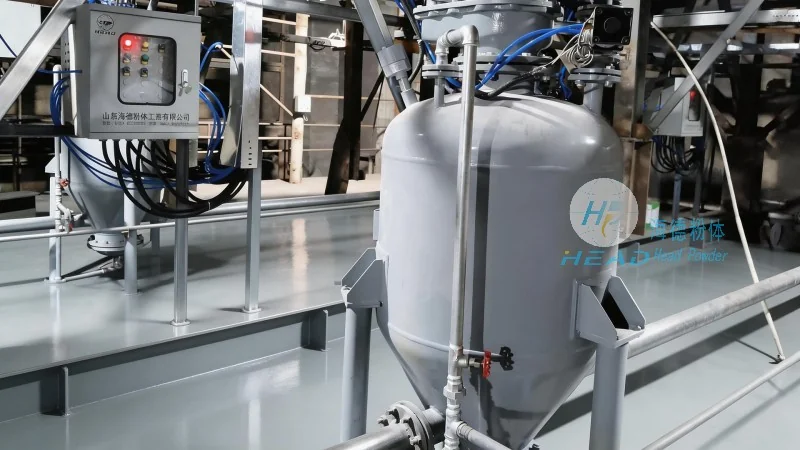
Future trends in PVA-formaldehyde pneumatic conveying include the adoption of more sustainable and eco-friendly materials in system construction. As environmental regulations become stricter, manufacturers are exploring the use of recycled or biodegradable materials for pipelines and components, reducing the environmental impact of the technology. Furthermore, the integration of artificial intelligence (AI) and machine learning (ML) in system control is expected to enhance predictive maintenance and optimize operational parameters. AI can analyze historical data to predict equipment failures and suggest maintenance schedules, reducing downtime and maintenance costs. The development of more compact and modular systems also allows for easier installation and integration into existing industrial facilities, making the technology more accessible to a wider range of applications.
HeadPowder, with its expertise in engineering and material handling, continues to innovate in PVA-formaldehyde pneumatic conveying technology. The company’s commitment to quality, efficiency, and customer satisfaction ensures that its solutions meet the evolving needs of industries relying on PVA-formaldehyde. By leveraging advanced materials, automation, and sustainable practices, HeadPowder provides reliable and effective pneumatic conveying systems that enhance productivity and safety in the handling of PVA-formaldehyde. The company’s presence in Shandong, China, positions it as a key player in the global market for material handling solutions, offering tailored solutions that address the specific challenges of PVA-formaldehyde processing.