

Principle and Classification Application of Slag Pneumatic Conveying
Slag, a byproduct of metal smelting processes, is a valuable material in construction and industrial applications. Efficient handling and transportation of slag are crucial for optimizing production workflows and ensuring material quality. Pneumatic conveying systems offer a reliable solution for transporting slag from one location to another, leveraging air pressure to move the material through pipelines. This article explores the fundamental principles of slag pneumatic conveying, the different classification methods, and practical applications in various industrial settings.
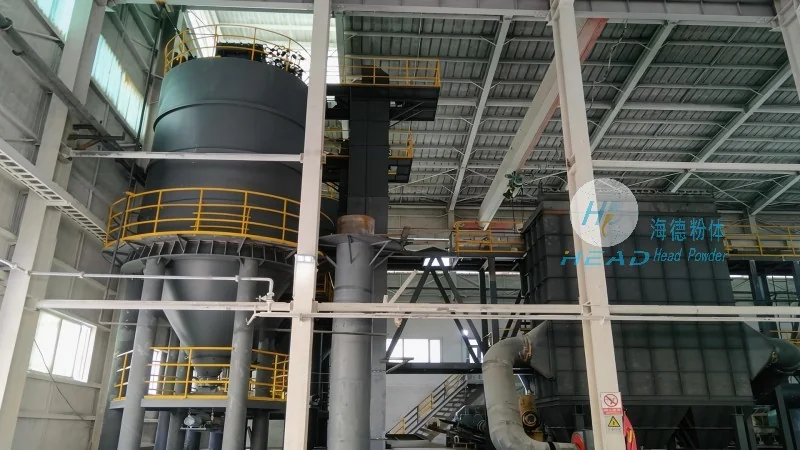
Understanding Pneumatic Conveying Systems
Pneumatic conveying systems operate by using compressed air or gas to transport bulk materials like slag through a network of pipes. The core components include a material feed hopper, a conveyor line, and a discharge point. The system can be categorized into two main types: pressure and vacuum systems. Pressure systems use positive pressure to push the material forward, while vacuum systems use negative pressure to pull the material. Each type has distinct advantages and is suitable for different operational conditions and material characteristics.
Key Working Principles of Slag Pneumatic Conveying
The working principle of slag pneumatic conveying involves several critical steps. First, the slag is fed into the system from a storage hopper. Then, compressed air is introduced into the pipeline, creating a flow that propels the slag particles. The velocity of the air must be sufficient to overcome the gravitational force and friction within the pipe, ensuring the material moves smoothly without clogging. The system also incorporates features such as cyclones or filters to separate the air from the slag at the discharge point, allowing for clean material collection and air recycling. This process minimizes material loss and maintains system efficiency.
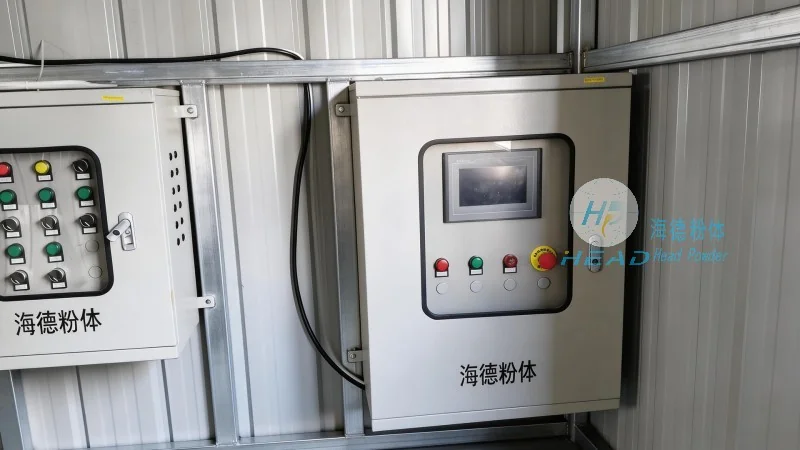
Classification of Slag Pneumatic Conveying Systems
Slag pneumatic conveying systems are classified based on several factors, including the pressure level, material flow rate, and system configuration. The primary classifications are pressure systems and vacuum systems, each with subcategories. Pressure systems can be further divided into positive pressure and pressure differential systems. Positive pressure systems maintain a constant pressure above atmospheric, while pressure differential systems use a combination of positive and negative pressure to optimize material transport. Vacuum systems, on the other hand, rely on a vacuum pump to create a negative pressure environment, drawing the material from the source to the destination. The choice of system depends on factors such as the distance to be covered, the volume of slag to be transported, and the specific characteristics of the slag, including its particle size, density, and moisture content.
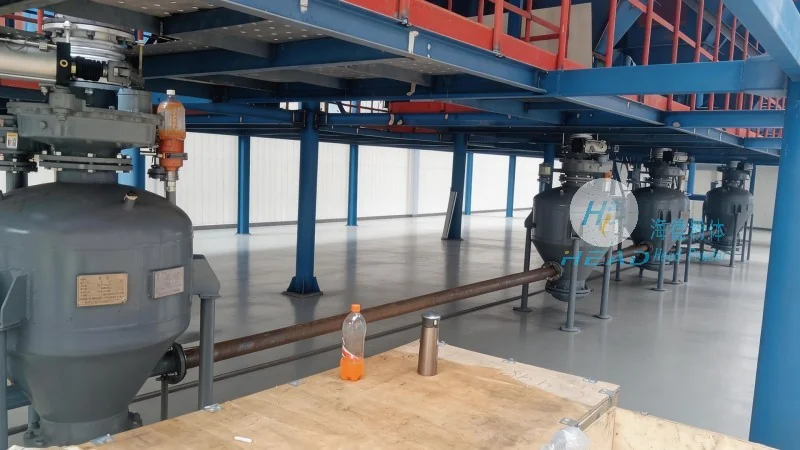
Applications in Industrial and Construction Sectors
Slag pneumatic conveying is widely used in various industries, including steel production, cement manufacturing, and construction material processing. In steel mills, slag is often transported from the blast furnace to storage or processing facilities for further use. In cement plants, slag is used as a raw material or additive in cement production, and pneumatic conveying ensures efficient delivery to the mixing and grinding units. Construction companies also utilize slag in concrete production, where the material's properties, such as its strength and durability, are enhanced by proper handling. The versatility of pneumatic conveying systems makes them suitable for both short and long-distance transport, adapting to the diverse needs of industrial operations.
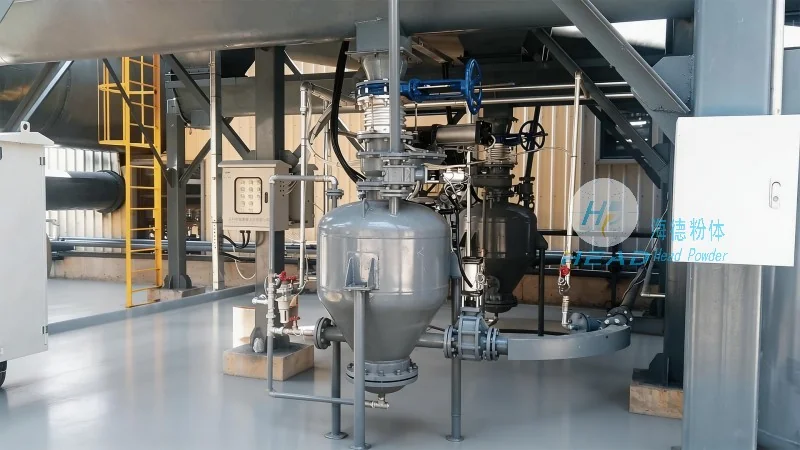
Advantages and Considerations for Slag Pneumatic Conveying
Compared to traditional methods like belt conveyors or trucks, pneumatic conveying offers several advantages. It is a closed system, which reduces dust emissions and minimizes environmental impact. The system is also flexible, allowing for changes in the transport route without major modifications. Additionally, pneumatic conveying can handle a wide range of material sizes and moisture levels, making it suitable for various slag types. However, there are considerations to keep in mind. The system requires regular maintenance to ensure optimal performance, as components like air filters and pumps can wear out over time. Moreover, the initial investment cost for pneumatic conveying systems is higher than for other transport methods, although the long-term benefits in terms of efficiency and material quality often justify the expense.
Conclusion: The Role of Slag Pneumatic Conveying in Modern Industry
Slag pneumatic conveying is a critical technology in the efficient handling and utilization of slag, a valuable byproduct of industrial processes. By understanding the working principles and classification of these systems, industries can optimize their material transport processes, reduce costs, and enhance overall operational efficiency. As demand for sustainable and efficient material handling solutions grows, pneumatic conveying systems will continue to play a vital role in supporting industrial and construction activities. The expertise and solutions provided by companies like Shandong HeadPowder Engineering Co., Ltd. are instrumental in implementing effective slag pneumatic conveying systems, ensuring that industries can maximize the benefits of this valuable material while maintaining operational excellence.