

Classification and Composition of Bauxite Pneumatic Conveying Systems
Bauxite, a vital raw material in the aluminum industry, demands efficient and safe transportation methods to support continuous production. Pneumatic conveying systems have become the preferred solution for handling bauxite due to their ability to minimize dust exposure, enhance operational safety, and provide flexible material transport. This article delves into the classification and essential components of bauxite pneumatic conveying systems, offering a comprehensive overview of their design and functionality.
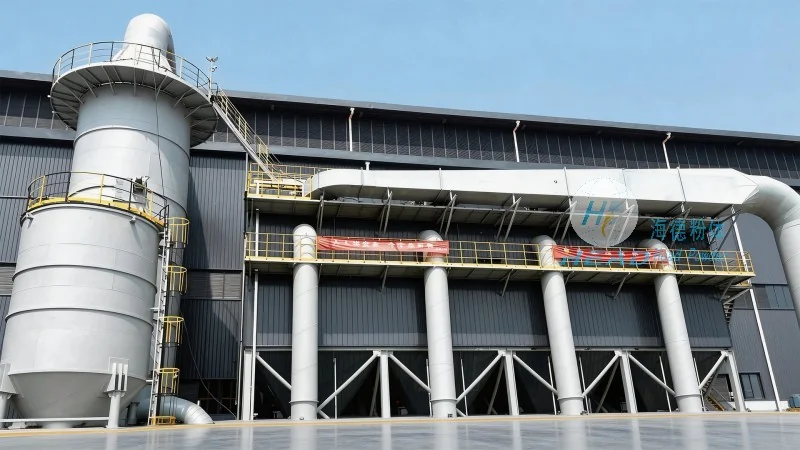
Classification of Bauxite Pneumatic Conveying Systems
Bauxite pneumatic conveying systems are primarily classified based on the air velocity and material flow dynamics. Two main categories dominate the industry: dilute-phase and dense-phase systems, each tailored to specific operational requirements and material characteristics.
1. **Dilute-Phase Pneumatic Conveying**: This system operates at high air velocities, typically between 20 to 30 meters per second, allowing bauxite particles to remain suspended in the air stream. Dilute-phase systems are ideal for short to medium-distance transport of fine bauxite powders. They are characterized by low pressure requirements and straightforward design, making them cost-effective for applications where material degradation is minimal. The primary advantage lies in their ability to handle large volumes of material with relatively low energy consumption.
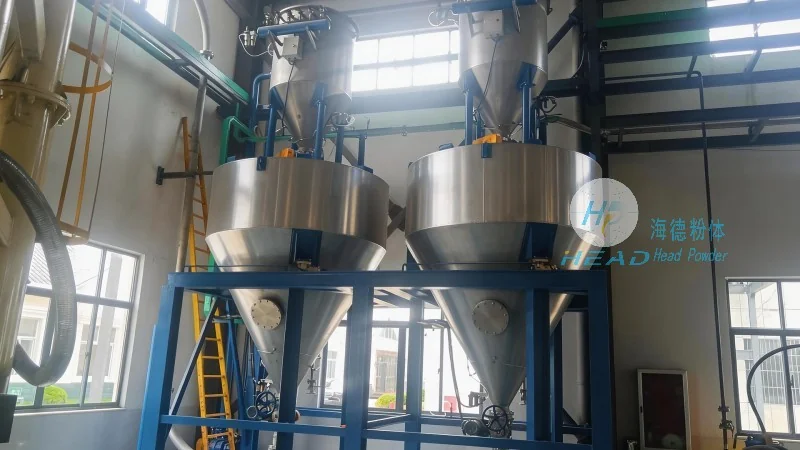
2. **Dense-Phase Pneumatic Conveying**: In contrast, dense-phase systems operate at lower air velocities, around 5 to 10 meters per second, with a higher material-to-air ratio. This results in a more concentrated flow of bauxite, which is beneficial for transporting larger particles or for applications requiring precise control over discharge. Dense-phase systems are commonly employed in long-distance or high-capacity bauxite transport, where maintaining material integrity and minimizing degradation is paramount. They often involve higher pressure and more complex equipment, but offer superior control over material handling.
Key Components of Bauxite Pneumatic Conveying Systems
The performance and reliability of a bauxite pneumatic conveying system hinge on the integration of several critical components, each engineered to optimize material transport and system efficiency.
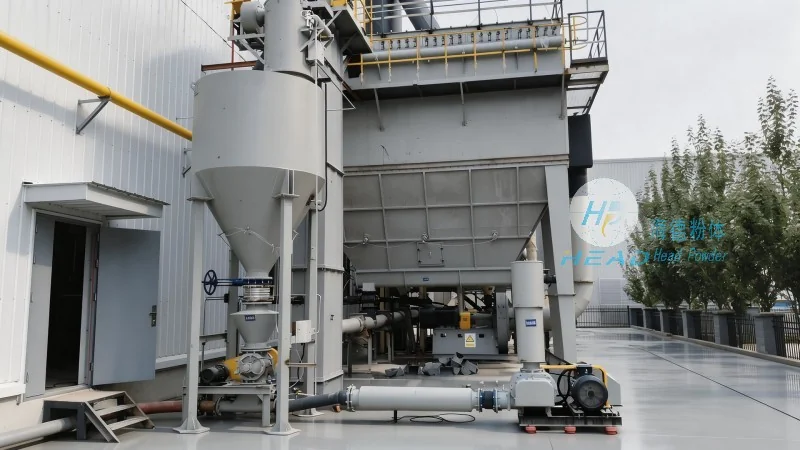
1. **Feeding Equipment**: The feeding system is responsible for introducing bauxite into the conveying line. Given bauxite's diverse forms—bulk, powder, or granules—specialized feeders such as rotary valves, screw feeders, or vibratory feeders are utilized. These devices ensure a consistent and controlled flow of material, preventing blockages and maintaining system stability. For bauxite, which can be abrasive, feeders are often designed with wear-resistant materials to extend their operational life.
2. **Air Supply and Compressors**: The air supply is generated by industrial compressors, which provide the necessary pressure and volume of air to move bauxite particles. The choice of compressor type—rotary, reciprocating, or centrifugal—depends on the system's capacity and pressure needs. Compressors are paired with air filtration and drying systems to remove moisture and contaminants, which are critical for preserving bauxite quality and preventing corrosion in the system.