

[Detailed Explanation of Polyvinylidene Chloride (PVF2) Pneumatic Conveying System]
For industrial applications requiring the safe and efficient handling of polyvinylidene chloride (PVF2) materials, pneumatic conveying systems offer a reliable solution. This article provides a comprehensive overview of the PVF2 pneumatic conveying system, highlighting its design, operational principles, and key benefits.
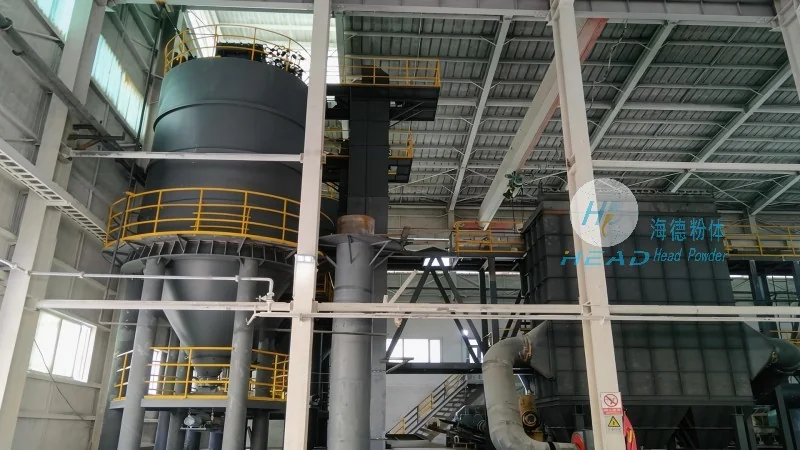
Pneumatic Conveying System Overview
A pneumatic conveying system is a method of transporting bulk materials through a pipeline using air or gas as the conveying medium. In the case of PVF2, which is known for its chemical resistance and durability, specialized systems are designed to handle the unique properties of this polymer. The system typically consists of a hopper, a rotary valve, a conveying line, and a receiver, all working in tandem to ensure smooth material transfer.
Key Components and Their Functions
Each component of the PVF2 pneumatic conveying system plays a critical role in the overall operation. The hopper serves as the storage and feeding unit, where the PVF2 material is held before being discharged. The rotary valve, often equipped with a sealing mechanism, controls the flow of material from the hopper into the conveying line, preventing air leakage and maintaining system pressure. The conveying line, usually made of corrosion-resistant materials such as stainless steel or PTFE-lined components, transports the PVF2 particles through the system. The receiver collects the material at the end of the line, allowing for easy discharge and processing.
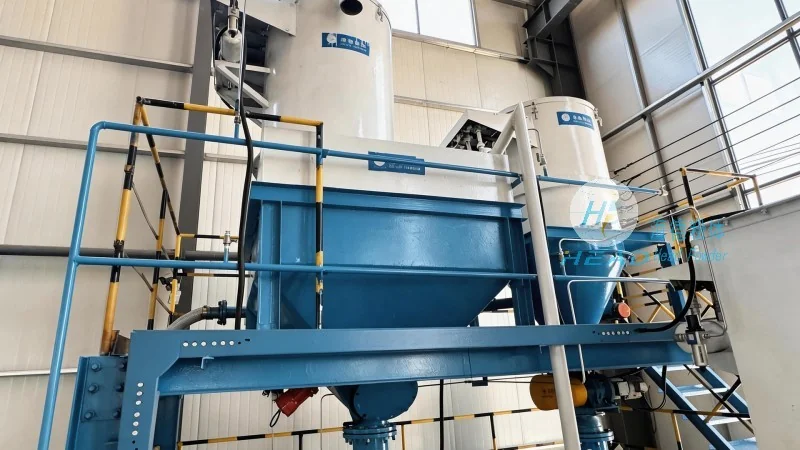
Operational Principles and Efficiency
The operation of the PVF2 pneumatic conveying system relies on the creation of a pressure differential between the hopper and the receiver. By introducing air or gas into the system, the material is entrained and carried through the pipeline. The system can operate in either positive or negative pressure modes, depending on the application requirements. Positive pressure systems are commonly used for long-distance or high-velocity conveying, while negative pressure systems are suitable for applications where dust control is a priority. The efficiency of the system is influenced by factors such as the particle size of the PVF2, the air velocity, and the system pressure, all of which must be optimized for consistent performance.
Advantages of Using a PVF2 Pneumatic Conveying System
Implementing a pneumatic conveying system for PVF2 processing offers several advantages over traditional methods like bucket elevators or belt conveyors. Firstly, it eliminates the need for mechanical contact with the material, reducing the risk of contamination and wear. Secondly, the system provides a dust-free environment, which is crucial for maintaining product quality and ensuring workplace safety. Thirdly, the ability to handle fine powders and granules without segregation or degradation makes it ideal for sensitive PVF2 applications. Additionally, the system's compact design and minimal maintenance requirements contribute to operational cost savings.
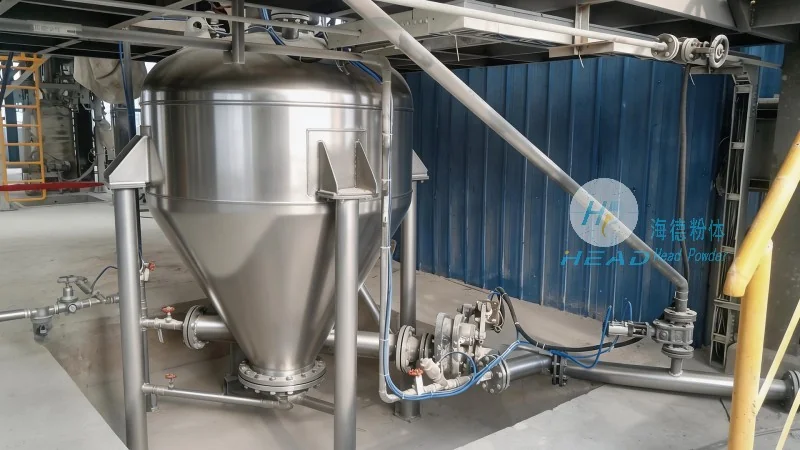
Application Examples and Industries
PVF2 pneumatic conveying systems are widely used in various industries where the polymer is processed or handled. In the chemical industry, these systems are employed in the production of PVF2 films and coatings, ensuring the safe transport of raw materials and finished products. The pharmaceutical sector also benefits from such systems, as they help maintain sterile conditions and prevent cross-contamination during the handling of PVF2-based drug delivery systems. Other industries, including aerospace and electronics, utilize the system for processing PVF2 components that require high purity and precision.
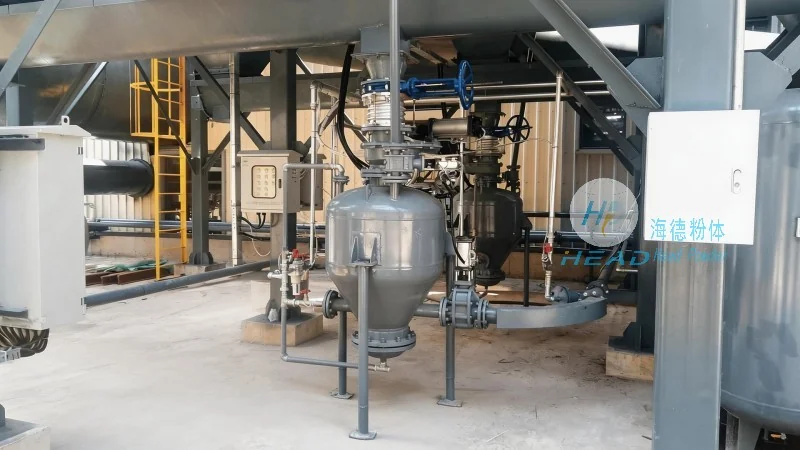
Customization and System Integration
HeadPowder, a leading provider of engineering solutions, offers customized pneumatic conveying systems tailored to the specific needs of PVF2 applications. With a team of experienced engineers and a commitment to quality, HeadPowder designs systems that meet the unique requirements of each client. The company's facilities are located in Shandong, China, where it manufactures and assembles high-performance conveying equipment. By integrating advanced technology and materials science, HeadPowder ensures that its PVF2 pneumatic conveying systems are durable, efficient, and compliant with industry standards.
Conclusion
In conclusion, the PVF2 pneumatic conveying system is a sophisticated and effective solution for handling polyvinylidene chloride materials. By leveraging the principles of pneumatic transport, this system provides a safe, efficient, and cost-effective method of material handling. For industries requiring reliable and high-quality processing of PVF2, partnering with a reputable provider like HeadPowder can ensure optimal performance and long-term operational success.