

[Foam Pneumatic Conveying System Explained]
Comprehensive Overview of Foam Pneumatic Conveying Systems
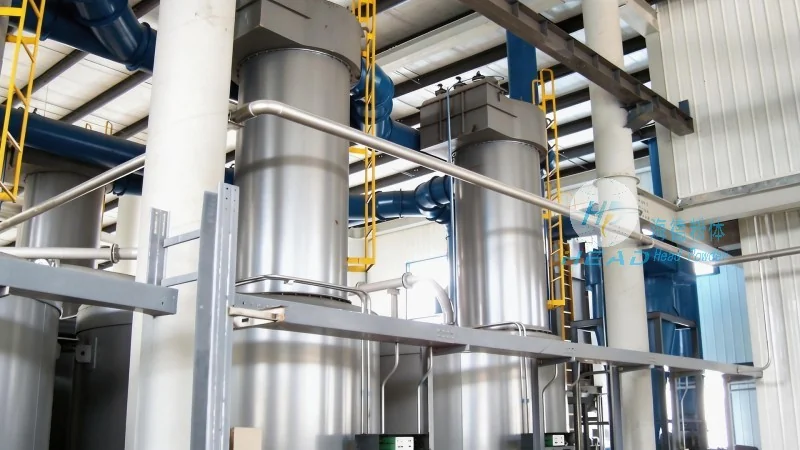
Introduction to Foam Pneumatic Conveying Technology
Foam pneumatic conveying systems represent an advanced material handling solution that integrates pneumatic transport principles with the unique properties of foam. This technology is engineered to efficiently move bulk materials, particularly fine powders and granules, through a pipeline network while minimizing material degradation and optimizing operational efficiency. The system operates by generating a stable foam medium, which is then combined with the material to be transported. This foam acts as a cushioning and lubricating agent, reducing friction and impact forces on the particles during transit. The result is a low-pressure, high-volume flow that enables safe and reliable material movement, making it ideal for applications where traditional pneumatic conveying may fall short.
Core Components and Operational Mechanism
The fundamental components of a foam pneumatic conveying system include a foam generator, a material feed hopper, a conveying pipeline, and a receiving or discharge unit. The foam generator is responsible for producing the foam by mixing air with a liquid carrier (typically water or a specialized foam solution) to create a stable, low-density structure. The material feed hopper ensures a consistent supply of the bulk material, which is then introduced into the foam stream. The conveying pipeline transports the foam and material mixture to the destination, where the receiver separates the material from the foam, allowing for clean and efficient discharge. This integrated approach ensures seamless material transport with minimal downtime and maintenance.
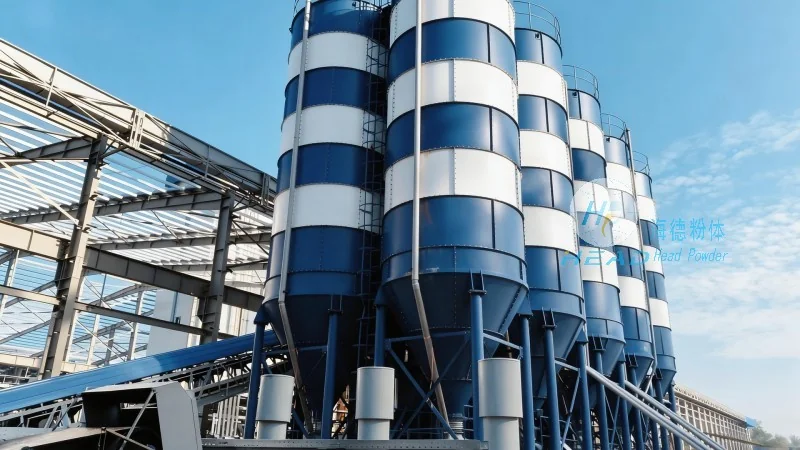
Key Advantages Over Traditional Pneumatic Conveying
One of the most significant advantages of foam pneumatic conveying is its ability to handle delicate and abrasive materials without causing particle breakage or degradation. The foam medium acts as a protective cushion, reducing friction and impact forces that can compromise material integrity. This is particularly beneficial for industries dealing with sensitive powders, such as pharmaceuticals, food products, and chemicals, where maintaining particle size and shape is critical for product quality. Additionally, the system offers superior dust control, as the foam encapsulates the material, minimizing airborne dust and enhancing workplace safety. Energy efficiency is another key benefit, as the foam medium allows for lower air pressure requirements compared to conventional pneumatic systems, leading to reduced operational costs and lower energy consumption.
Applications Across Diverse Industries
Foam pneumatic conveying systems are widely adopted across various sectors, including pharmaceutical manufacturing, food processing, chemical production, and mining. In the pharmaceutical industry, these systems are essential for transporting active pharmaceutical ingredients (APIs) and excipients, ensuring that the materials remain uncontaminated and intact during transport. The food industry utilizes foam conveying for handling powders like sugar, flour, and spices, maintaining product quality and preventing cross-contamination. Chemical manufacturers benefit from the system's ability to handle abrasive and corrosive materials, while mining operations use it for transporting ore and minerals from processing plants to storage facilities. The versatility of foam pneumatic conveying makes it a preferred solution for businesses seeking reliable and efficient material transport solutions.
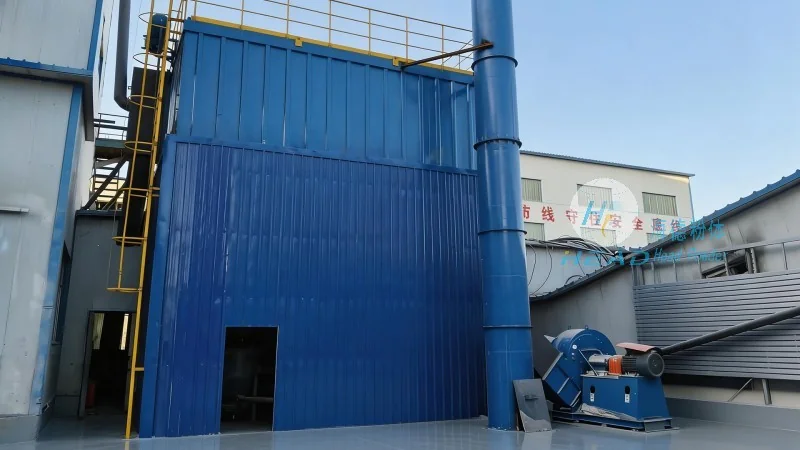
Company Profile: Shandong HeadPowder Engineering Co., Ltd.
HeadPowder, a leading engineering company based in Shandong, China, specializes in the design, development, and installation of foam pneumatic conveying systems. With decades of experience in material handling technology, HeadPowder has established itself as a trusted provider of customized solutions tailored to meet the specific needs of industrial clients. The company's commitment to innovation and quality has enabled it to deliver systems that enhance operational efficiency, reduce costs, and improve safety in material transport processes. HeadPowder's team of experts works closely with clients to understand their requirements and provide tailored solutions that maximize performance and longevity. The company's presence in Shandong, China, positions it as a key player in the regional material handling market, serving a wide range of industries with reliable and efficient conveying solutions.
Conclusion and Strategic Importance
As industries continue to seek more sustainable and efficient material handling solutions, foam pneumatic conveying systems have emerged as a critical technology for modern manufacturing and processing operations. By leveraging advanced foam technology, these systems offer significant advantages over traditional methods, including improved material integrity, enhanced safety, and reduced operational costs. For businesses looking to optimize their material transport processes, investing in a foam pneumatic conveying system is a strategic decision that can yield long-term benefits and competitive advantages. With companies like Shandong HeadPowder Engineering Co., Ltd. leading the way in this technology, the future of material handling is increasingly focused on innovative solutions that prioritize efficiency, safety, and sustainability.