

[Detailed Explanation of Fiberglass Pneumatic Conveying Systems]
When it comes to efficient material handling in industrial settings, the choice of a pneumatic conveying system can significantly impact operational efficiency and cost-effectiveness. Among the various options available, fiberglass pneumatic conveying systems stand out for their unique advantages, particularly in handling materials like fibers and powders. This article provides a comprehensive overview of these systems, focusing on their design, functionality, and applications, while highlighting the expertise of Shandong HeadPowder Engineering Co., Ltd. as a leading provider in the field.
Understanding Fiberglass Pneumatic Conveying Systems
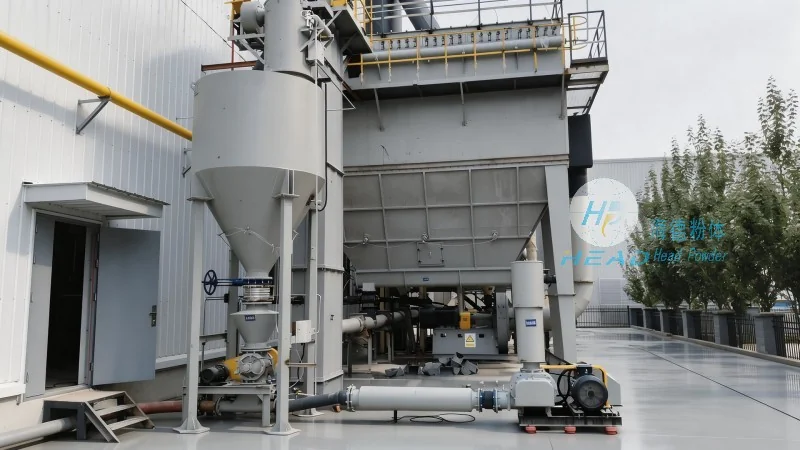
Fiberglass pneumatic conveying systems utilize air or gas to transport bulk materials through a network of pipes and components. Unlike traditional mechanical systems, these systems offer a non-contact method of material transport, which is particularly beneficial for delicate or abrasive materials. The core of such a system typically includes a hopper for material storage, a blower or compressor to generate airflow, and a series of pipes with appropriate fittings and valves to direct the material flow. The use of fiberglass in the construction of these systems is crucial, as it provides excellent resistance to corrosion, chemicals, and abrasion, ensuring long-term durability and minimal maintenance.
Key Components and Their Functions
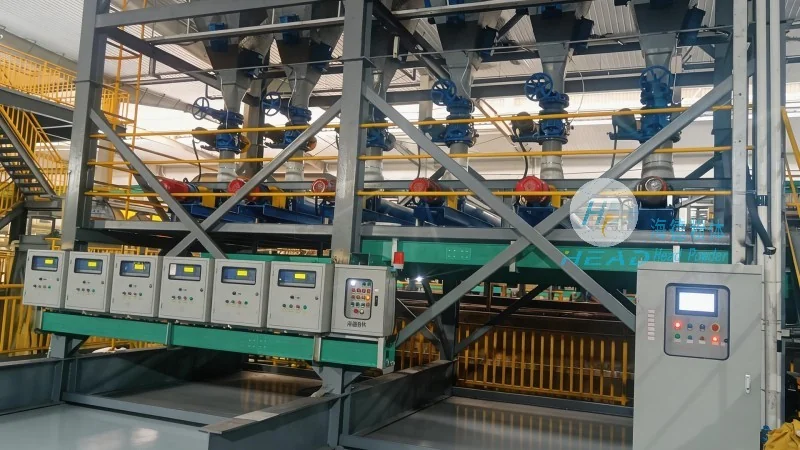
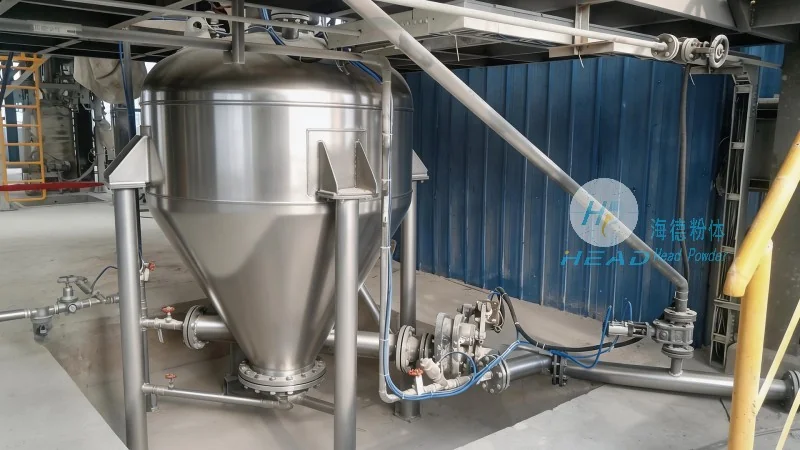
Each component within a fiberglass pneumatic conveying system plays a vital role in the overall operation. The hopper is designed to hold the bulk material and feed it into the system at a controlled rate, preventing blockages and ensuring consistent flow. The blower or compressor generates the necessary pressure and airflow to move the material through the pipes. The piping system, often made from fiberglass-reinforced plastic (FRP), is engineered to withstand the pressures and abrasion caused by the conveyed material. Additionally, the system includes various accessories such as filters, cyclones, and silos to separate the material from the air and store it in a clean, dry state. These components work in tandem to create a seamless and efficient material transport process.
Advantages of Fiberglass Pneumatic Conveying Systems
One of the primary advantages of fiberglass pneumatic conveying systems is their ability to handle a wide range of materials, including fine powders, fibers, and granules. The non-contact nature of the system prevents material degradation, contamination, or loss, which is critical for industries dealing with sensitive products. Furthermore, fiberglass materials are highly resistant to corrosion, making them ideal for environments where moisture, chemicals, or aggressive substances are present. This resistance reduces the need for frequent maintenance and replacement of components, leading to lower operational costs over the system's lifespan. Another key benefit is the system's compact design, which allows for easy integration into existing facilities without requiring extensive modifications. The flexibility of fiberglass systems also enables customization to meet specific operational requirements, such as varying material flow rates or distances.
Applications in Various Industries
Fiberglass pneumatic conveying systems find applications across multiple industries, including chemical, pharmaceutical, food processing, and manufacturing. In the chemical industry, these systems are used to transport abrasive powders and chemicals, where traditional systems might fail due to corrosion or wear. The pharmaceutical industry benefits from the system's ability to maintain a sterile environment and prevent contamination, ensuring product quality and safety. Food processing facilities utilize fiberglass systems to handle powders and granules, as they are non-toxic and resistant to food-related chemicals. Manufacturing industries, particularly those dealing with fibers and textiles, rely on these systems for efficient material transport and processing. The versatility of fiberglass pneumatic conveying systems makes them a preferred choice in many sectors where material handling efficiency and durability are paramount.
Customization and Integration by Shandong HeadPowder Engineering Co., Ltd.
Shandong HeadPowder Engineering Co., Ltd., a leading provider in the field, specializes in designing and manufacturing customized fiberglass pneumatic conveying systems tailored to the specific needs of clients. With a focus on quality and innovation, the company ensures that each system is engineered to meet the highest standards of performance and reliability. The company's expertise lies in understanding the unique challenges of different industries and developing solutions that address these challenges effectively. By leveraging advanced materials and engineering techniques, HeadPowder delivers systems that offer long-term durability, minimal maintenance, and optimal performance. Clients can rely on the company's comprehensive services, from initial consultation and system design to installation and after-sales support, to ensure a seamless integration of the pneumatic conveying system into their operations. The company's commitment to customer satisfaction and technical excellence has established it as a trusted partner in the material handling industry.
Conclusion
Fiberglass pneumatic conveying systems represent a sophisticated and efficient solution for material handling in various industrial applications. Their ability to handle diverse materials, resist corrosion and abrasion, and provide a non-contact transport method makes them an ideal choice for many industries. With the expertise of companies like Shandong HeadPowder Engineering Co., Ltd., these systems can be customized to meet specific operational requirements, ensuring optimal performance and cost-effectiveness. As industries continue to seek more efficient and durable material handling solutions, fiberglass pneumatic conveying systems remain a top choice, offering a reliable and long-lasting solution for bulk material transport.