

Principle and Classification Application of Hydroxide Aluminum Pneumatic Conveying
Hydroxide aluminum, commonly known as aluminum hydroxide, is a widely used industrial chemical with applications in various sectors such as cosmetics, pharmaceuticals, and water treatment. The efficient transportation of this material from production sites to processing or packaging facilities is crucial for maintaining production efficiency and ensuring product quality. Pneumatic conveying, a method that uses air or gas to transport bulk materials, has become a preferred solution for handling hydroxide aluminum due to its advantages in cleanliness, flexibility, and low maintenance requirements.
Principle of Pneumatic Conveying for Hydroxide Aluminum
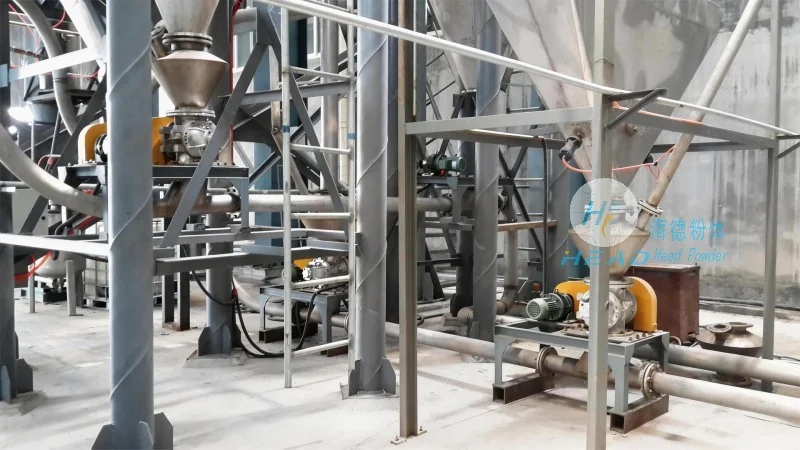
The core principle of pneumatic conveying involves the use of a gas stream to move solid particles through a pipeline. In the case of hydroxide aluminum, the material is typically fed into a hopper or feeder, where it is then drawn into a pipeline by the moving air. The air velocity is carefully controlled to ensure that the particles are suspended and transported without causing blockages or excessive wear on the system components. This process relies on the balance between the air velocity and the particle size, density, and shape of the hydroxide aluminum. Proper design of the conveying system, including the selection of appropriate air velocities, pipeline diameters, and pressure differentials, is essential to achieve reliable and efficient material transport.
Classification of Pneumatic Conveying Systems for Hydroxide Aluminum
Pneumatic conveying systems for hydroxide aluminum can be classified into several types based on the operating principles and the way air and material are introduced. The main categories include:
- Positive Pressure Systems: In this system, air is supplied under pressure to the conveying line, and the material is drawn into the line from a hopper. This type is suitable for long-distance and high-capacity transport, as it can handle larger particle sizes and higher material loads.
- Negative Pressure (Vacuum) Systems: Here, the conveying line is maintained under a vacuum, and material is drawn into the line from the source. This method is often used for short-distance transport or when the material needs to be collected from multiple points. It is particularly effective for handling fine powders and can minimize dust emissions.
- Two-Phase (Mixed) Systems: This approach combines elements of both positive and negative pressure systems. It uses a combination of pressure and vacuum to optimize the conveying process, often providing better control over material flow and reducing energy consumption.
Each classification has its own advantages and is selected based on factors such as the distance of transport, the volume of material to be moved, the particle characteristics of the hydroxide aluminum, and the specific requirements of the production line.
Application Scenarios in Different Industries
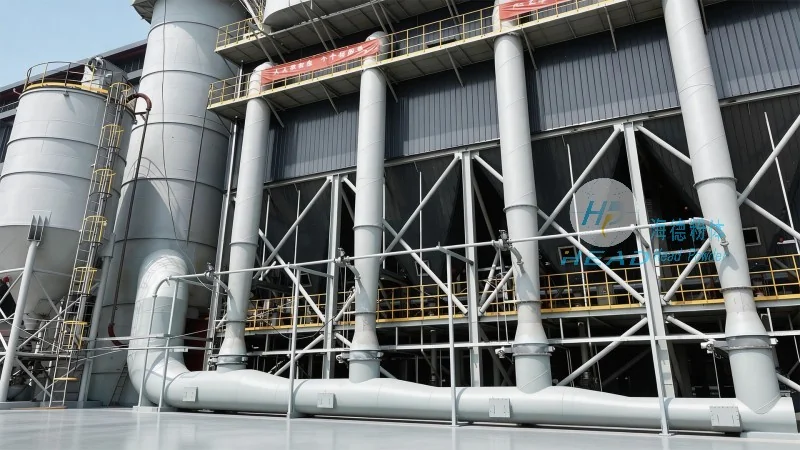
The application of hydroxide aluminum pneumatic conveying varies across different industries, tailored to meet specific operational needs. In the cosmetics industry, for example, the material is often used as an ingredient in skincare products. The pneumatic conveying system ensures that the hydroxide aluminum is transported in a clean and hygienic manner, preventing contamination and maintaining product purity. In the pharmaceutical sector, where quality control is paramount, the system helps in the precise and controlled transfer of the material to manufacturing lines, ensuring consistent product quality.
In water treatment applications, hydroxide aluminum is used as a coagulant to remove impurities from water. The pneumatic conveying system allows for the efficient and reliable delivery of the material to the treatment plants, contributing to the overall effectiveness of the water purification process. Additionally, in the chemical manufacturing industry, the system supports the integration of hydroxide aluminum into various production processes, enhancing operational efficiency and reducing downtime.
Key Considerations for System Design and Operation
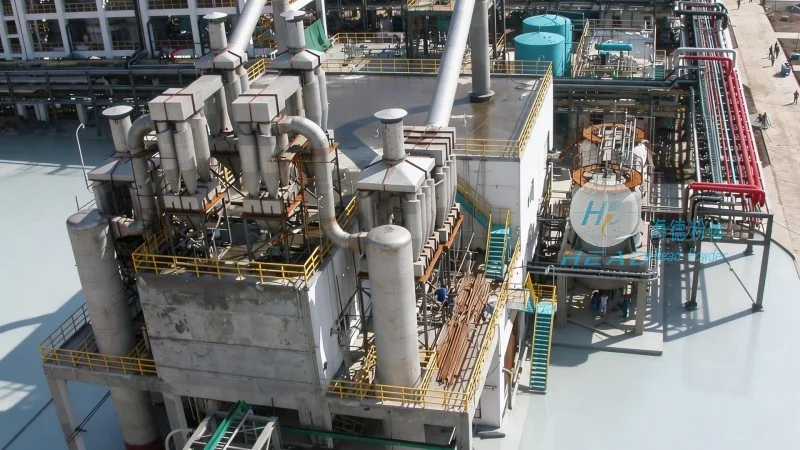
When designing and operating a pneumatic conveying system for hydroxide aluminum, several key factors must be considered to ensure optimal performance and longevity of the equipment. These include:
- Material Properties: The particle size, density, and flowability of the hydroxide aluminum are critical. Coarser particles may require higher air velocities to maintain suspension, while fine powders need careful control to avoid clogging.
- System Pressure and Flow Rates: The pressure differentials and air flow rates must be accurately calculated to match the material's characteristics and the required conveying distance. Excessive pressure can lead to system wear and energy waste, while insufficient pressure may result in material deposition or blockages.
- Equipment Maintenance: Regular maintenance of components such as filters, cyclones, and pipelines is essential to prevent dust accumulation and ensure smooth operation. Proper cleaning and inspection schedules help in extending the lifespan of the system and maintaining product quality.
- Environmental and Safety Measures: Pneumatic conveying systems should incorporate dust collection and filtration systems to comply with environmental regulations and ensure workplace safety. Proper ventilation and safety protocols are also necessary to prevent accidents and protect personnel.
By addressing these considerations, the pneumatic conveying system for hydroxide aluminum can operate efficiently, reliably, and in compliance with industry standards.
About Shandong HeadPowder Engineering Co., Ltd.
Shandong HeadPowder Engineering Co., Ltd., commonly known as headpowder, is a professional manufacturer and supplier specializing in pneumatic conveying systems and related equipment. With a focus on innovation and quality, the company provides customized solutions tailored to the specific needs of clients in various industries. Headpowder's products are designed to meet the highest standards of performance, durability, and safety, ensuring reliable operation and long-term value for customers. The company's headquarters is located in Shandong, China, where it leverages advanced technology and expertise to deliver cutting-edge solutions for material handling challenges.