

Choosing Between Positive Pressure and Negative Pressure for Cement and Fly Ash Transportation: How
When it comes to transporting materials like cement and fly ash, selecting the right type of pneumatic conveying system is crucial for efficiency, cost-effectiveness, and operational safety. Two primary methods are widely used: positive pressure and negative pressure systems. Understanding the differences between these two approaches is essential for making an informed decision that aligns with your specific operational needs. This article will explore the key distinctions, advantages, and considerations for both positive pressure and negative pressure conveying systems, helping you determine which option is best suited for your cement and fly ash transportation requirements.
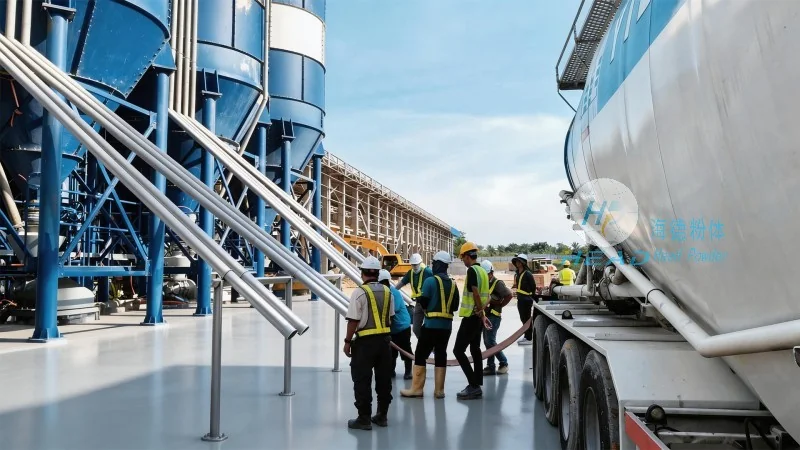
Understanding the Basics: Positive Pressure vs. Negative Pressure Conveying
At the core of pneumatic conveying systems are the two fundamental pressure differentials that drive material movement. Positive pressure systems operate by forcing air or gas into a sealed system, creating an environment where the pressure inside the system is higher than the ambient pressure outside. This pressure differential propels the material through the pipeline. In contrast, negative pressure systems work by creating a vacuum or lower pressure inside the system compared to the external environment, drawing material into the system as it is pulled through the pipeline.
Key Characteristics of Positive Pressure Conveying
Positive pressure conveying systems, often referred to as pressure pneumatic conveying, are designed to push material through the pipeline using compressed air or gas. This method is particularly effective for transporting materials over longer distances or through complex network configurations. The primary advantages of positive pressure systems include their ability to handle a wide range of material properties, including abrasive or corrosive materials, and their suitability for applications requiring high material throughput. Additionally, positive pressure systems typically offer better control over material flow and can be more energy-efficient for certain applications, as they do not require the constant operation of vacuum pumps.
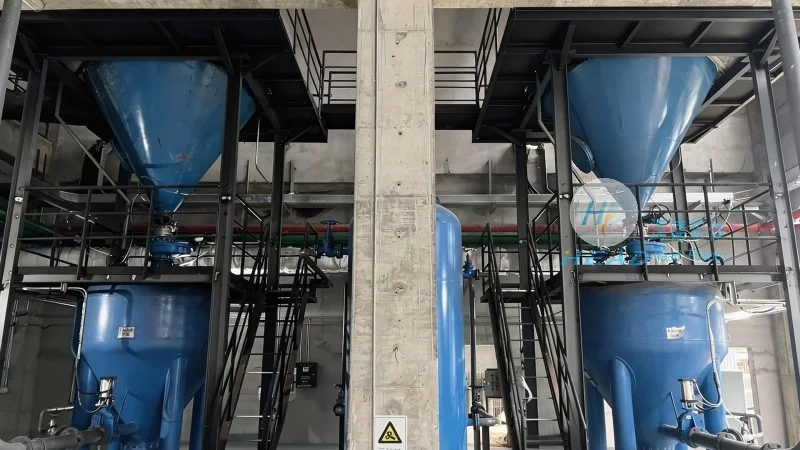
Shandong HeadPowder Engineering Co., Ltd., a leading provider of industrial conveying solutions, specializes in designing and manufacturing positive pressure conveying systems tailored to the unique demands of cement and fly ash transportation. With decades of experience in the industry, HeadPowder engineers have developed robust systems that ensure reliable and efficient material handling, even in challenging operational environments. Their expertise in material flow dynamics and system integration ensures that clients receive customized solutions that maximize productivity and minimize downtime.
Key Characteristics of Negative Pressure Conveying
Negative pressure conveying systems, also known as vacuum pneumatic conveying, operate by creating a vacuum inside the system to draw material into the pipeline. This method is commonly used for shorter distances or when the material needs to be transported from multiple sources to a single destination. The primary benefits of negative pressure systems include their lower initial cost compared to positive pressure systems and their ability to handle materials that are more sensitive to pressure or friction. However, negative pressure systems may require more maintenance due to the continuous operation of vacuum pumps and can be less efficient for transporting materials over long distances or through complex networks.
How to Distinguish Between the Two Systems
Determining whether a positive pressure or negative pressure system is appropriate for your cement and fly ash transportation needs involves evaluating several key factors. The first consideration is the distance and layout of the conveying system. Positive pressure systems are generally more suitable for longer distances or complex network configurations, while negative pressure systems are better suited for shorter distances or when the material is to be collected from multiple points. The second factor is the material properties, such as particle size, moisture content, and abrasiveness. Positive pressure systems are ideal for handling abrasive or corrosive materials, whereas negative pressure systems may be preferred for more delicate materials that are sensitive to pressure or friction. The third consideration is the required material throughput and operational efficiency. Positive pressure systems typically offer higher throughput and better energy efficiency for high-volume applications, while negative pressure systems may be more cost-effective for lower-volume or intermittent operations.
Factors to Consider When Choosing a System
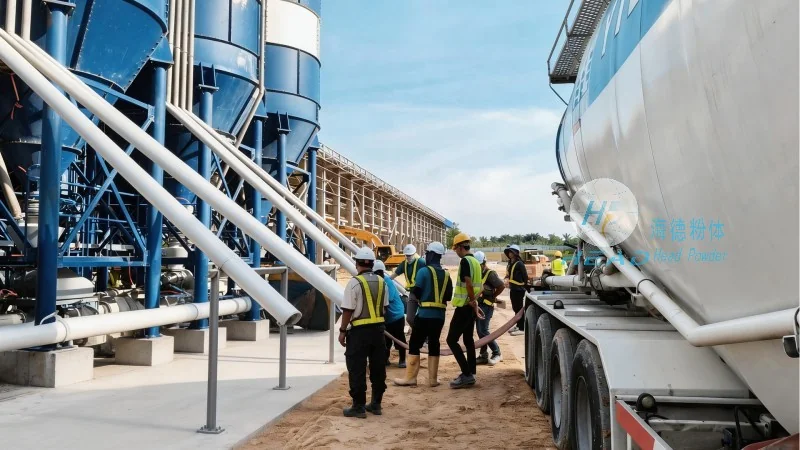
Beyond the basic characteristics of positive and negative pressure systems, several other factors should be taken into account when selecting the most appropriate conveying solution for your cement and fly ash transportation needs. One critical factor is the environmental impact and compliance requirements. Positive pressure systems may generate more noise and air pollution due to the constant operation of compressed air systems, while negative pressure systems can create dust and particulate emissions that need to be managed. Another important consideration is the space constraints and installation requirements. Positive pressure systems typically require more space for the air compressor and storage tanks, while negative pressure systems may be more compact and easier to install in existing facilities. Additionally, the maintenance and operational costs should be evaluated. Positive pressure systems may have higher initial costs but lower long-term maintenance costs, while negative pressure systems may have lower initial costs but higher maintenance expenses due to the continuous operation of vacuum pumps.
Conclusion: Making the Right Choice for Your Operation
Selecting the right pneumatic conveying system for cement and fly ash transportation is a critical decision that can significantly impact operational efficiency, cost, and safety. By understanding the differences between positive pressure and negative pressure systems and considering the specific requirements of your application, you can make an informed choice that maximizes productivity and minimizes risks. Shandong HeadPowder Engineering Co., Ltd. offers a comprehensive range of conveying solutions, including both positive and negative pressure systems, designed to meet the diverse needs of the cement and fly ash industry. With their expertise in system design, material handling, and operational optimization, HeadPowder provides tailored solutions that ensure reliable and efficient material transportation, helping clients achieve their operational goals while maintaining compliance with industry standards and regulations.