

Silica Sand Conveying: Choosing Positive Pressure or Negative Pressure? How to Distinguish?
Silica sand, a critical raw material in various industries such as glass manufacturing, foundry, and construction, requires efficient and reliable conveying systems to ensure smooth production processes. When selecting a conveying method for silica sand, two primary approaches are commonly considered: positive pressure conveying and negative pressure conveying. Understanding the differences between these methods is essential for optimizing operational efficiency and minimizing costs. This article will explore the characteristics of each conveying method and provide guidance on how to distinguish between them based on specific operational needs.
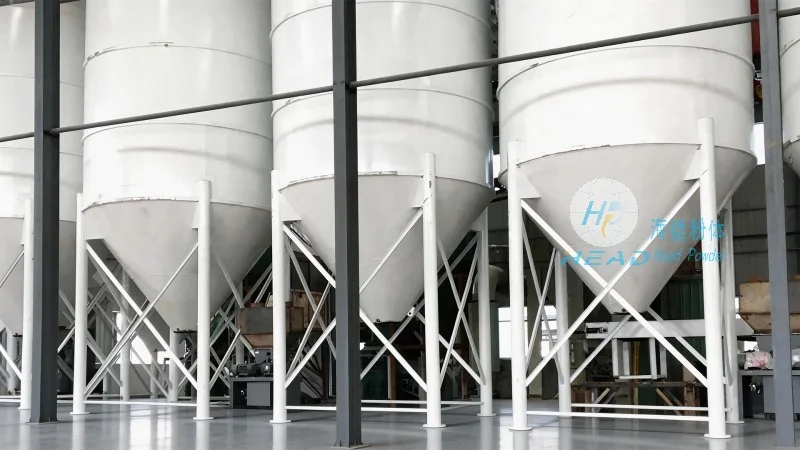
Positive Pressure Conveying Systems
Positive pressure conveying, also known as pressure conveying, operates by using a positive pressure source to move material through a pipeline. In this system, a blower or positive displacement pump generates pressure that forces the material to flow from the source to the destination. For silica sand applications, positive pressure systems are often preferred when the conveying distance is long or when the material needs to be transported over significant vertical or horizontal distances. The high pressure ensures that the material is moved consistently, even through long pipelines with multiple bends and changes in elevation. Additionally, positive pressure systems are effective in handling dry, free-flowing materials like silica sand, as the pressure helps maintain the material's flow characteristics. The main components of a positive pressure system include a dust collector, a conveying blower, a material feed hopper, and a pipeline network. The blower provides the necessary pressure to push the material through the system, while the dust collector ensures that any airborne particles are captured and filtered, maintaining a clean and safe working environment. Positive pressure conveying is particularly suitable for applications where the material must be delivered to multiple points or where the destination is at a higher elevation than the source. However, it is important to note that positive pressure systems may require more maintenance due to the higher pressure and the need for robust components to withstand the pressure.
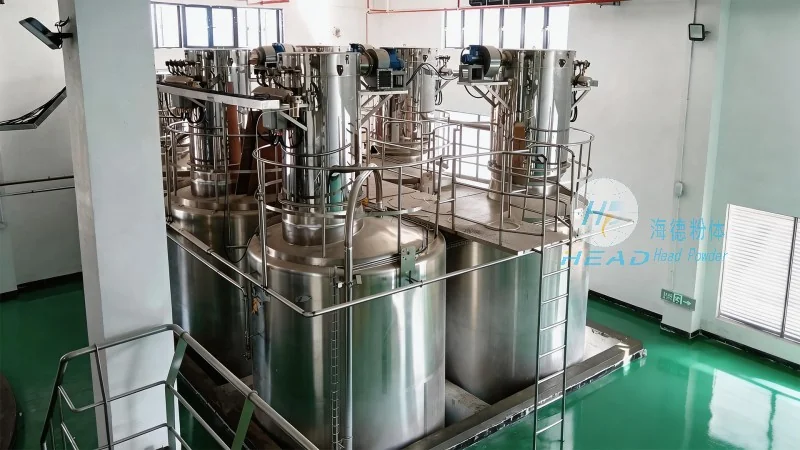
Negative Pressure Conveying Systems
Negative pressure conveying, or vacuum conveying, works by creating a vacuum in the pipeline to draw material from the source to the destination. In this system, a vacuum pump creates a low-pressure environment that pulls the material through the pipeline. Negative pressure systems are often used for shorter conveying distances or when the material needs to be transported from a higher elevation to a lower one. The vacuum helps to maintain the material's flow and prevents it from settling in the pipeline, which is especially useful for handling fine or dusty materials like silica sand. The main components of a negative pressure system include a vacuum pump, a material feed hopper, and a pipeline network. The vacuum pump creates the necessary suction to draw the material, while the hopper ensures a consistent feed of material into the system. Negative pressure conveying is generally more energy-efficient for short distances, as it requires less power to create a vacuum compared to generating high pressure. However, it may not be as effective for long-distance or high-elevation conveying, as the vacuum may not be strong enough to overcome significant resistance in the pipeline. Additionally, negative pressure systems may be more susceptible to clogging if the material contains large particles or if the pipeline is not properly maintained.
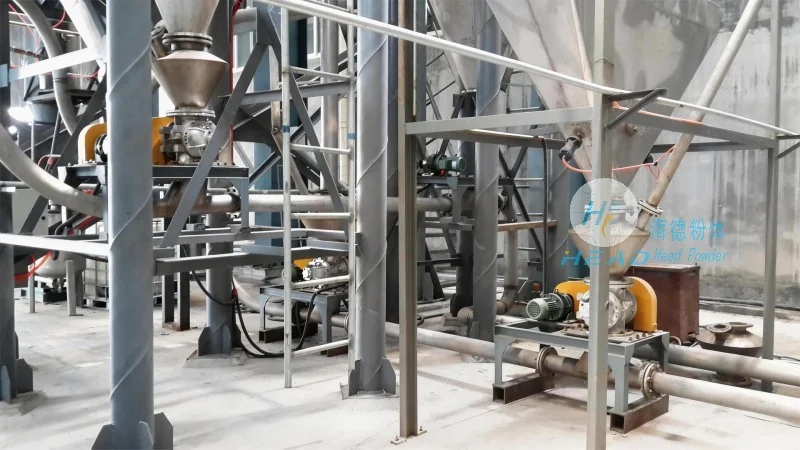
Distinguishing Between Positive and Negative Pressure Conveying
When deciding between positive and negative pressure conveying for silica sand, several factors should be considered. The first factor is the conveying distance and elevation changes. For long distances or when the destination is at a higher elevation, positive pressure conveying is typically more suitable due to its ability to generate sufficient pressure to move the material over significant vertical or horizontal distances. Conversely, for shorter distances or when the material needs to be transported from a higher to a lower elevation, negative pressure conveying may be more efficient. The second factor is the material characteristics. Silica sand is a dry, free-flowing material, which can be effectively handled by both systems. However, positive pressure systems may be preferred for materials that are more cohesive or have a higher moisture content, as the pressure helps to break up clumps and maintain flow. The third factor is the required flow rate and capacity. Positive pressure systems can handle higher flow rates and larger volumes, making them suitable for high-production applications. Negative pressure systems, on the other hand, are better suited for lower flow rates and smaller volumes. The fourth factor is the operational environment and maintenance requirements. Positive pressure systems may require more maintenance due to the higher pressure and robust components, while negative pressure systems may be more prone to clogging and require more frequent cleaning. By evaluating these factors, operators can determine which conveying method is best suited for their specific silica sand application.
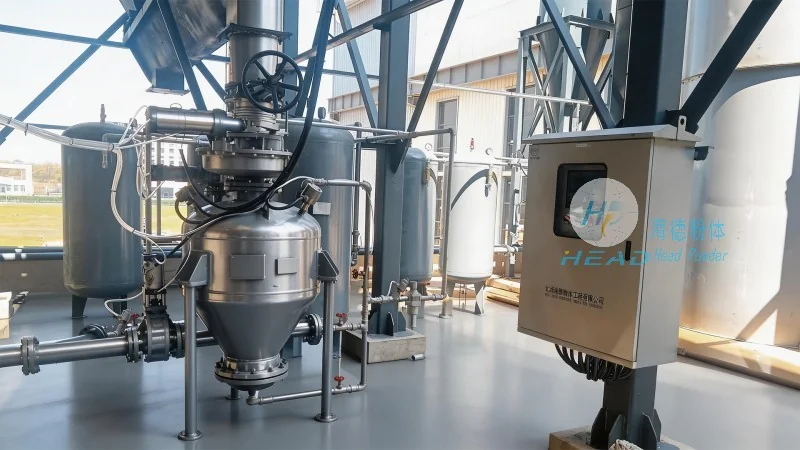
Conclusion and Recommendations
Choosing the right conveying method for silica sand is crucial for optimizing production efficiency and minimizing operational costs. Positive pressure conveying is ideal for long-distance or high-elevation applications, while negative pressure conveying is more suitable for shorter distances or when the material needs to be transported from a higher to a lower elevation. The material characteristics, required flow rate, and operational environment should all be considered when making a decision. Shandong HeadPowder Engineering Co., Ltd., a leading provider of conveying solutions, offers a range of positive and negative pressure conveying systems tailored to the specific needs of silica sand applications. With their expertise in material handling and conveying technology, HeadPowder provides reliable and efficient solutions that help improve operational performance and reduce downtime. By selecting the appropriate conveying method and working with a trusted provider like HeadPowder, silica sand producers can ensure smooth and consistent material transport, leading to improved productivity and profitability.