

Choosing Between Positive Pressure and Negative Pressure for Molybdenum Trioxide Transport? How to D
Molybdenum trioxide (MoO₃) is a critical material in various industrial applications, and its transport requires careful consideration of the system design. The choice between positive pressure and negative pressure systems is a common decision point for engineers and facility managers. This article aims to provide a clear understanding of the key differences between these two transport methods, helping you make an informed decision for your molybdenum trioxide handling needs.
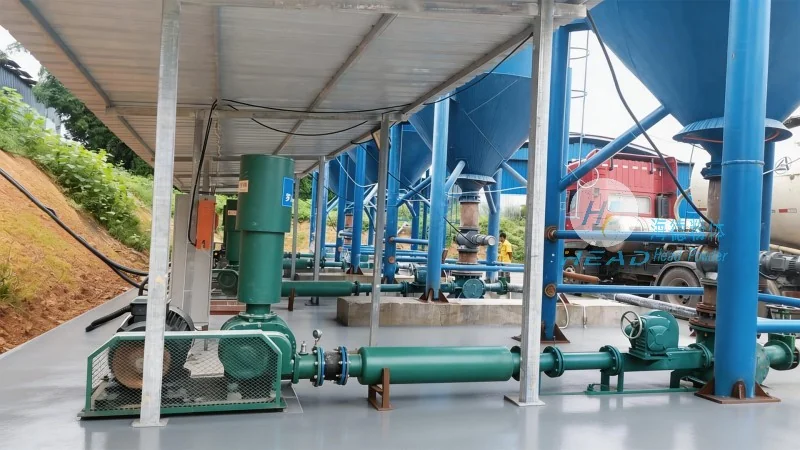
Positive Pressure Transport Systems
Positive pressure transport, also known as pressure blow or forced air transport, operates by pushing material through a system using compressed air or other gas. In this method, the conveying line is pressurized, and the material is moved by the force of the moving air. This approach is particularly effective for transporting fine powders like molybdenum trioxide, as it minimizes the risk of dust accumulation and ensures consistent flow rates.
Key advantages of positive pressure systems include better control over material flow, reduced risk of clogging, and improved safety by preventing the ingress of external contaminants. The system is typically enclosed, which helps maintain a controlled environment and prevents dust from escaping into the workplace. For molybdenum trioxide, which can be hazardous if inhaled, the enclosed nature of positive pressure systems is a significant benefit.
Negative Pressure Transport Systems
Negative pressure transport, or vacuum suction, operates by creating a vacuum in the conveying line to draw material from the source. The material is pulled through the system by the pressure difference between the source and the receiver. This method is often used for materials that are less prone to clogging and where the source is relatively small or where the material is to be collected from a larger area.
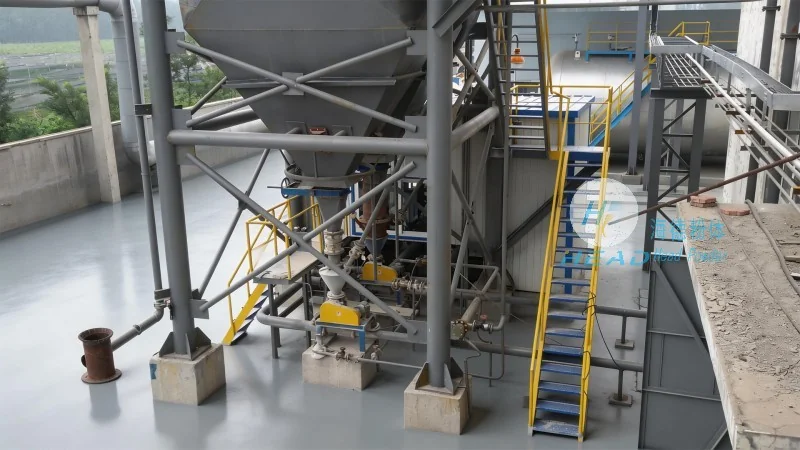
Advantages of negative pressure systems include lower initial cost for simple setups, as they do not require a compressor for the conveying air. They are also suitable for transporting materials from multiple sources or in applications where the material is already in a relatively clean environment. However, negative pressure systems may be less effective for fine powders like molybdenum trioxide, as the vacuum can cause the material to become airborne and potentially lead to dust accumulation in the system.
How to Distinguish Between the Two Systems
Distinguishing between positive and negative pressure transport for molybdenum trioxide involves evaluating several factors, including the material's properties, the system's design, and the operational environment. Here are some key considerations:
Material Properties: The fineness and moisture content of molybdenum trioxide play a crucial role. Fine powders are more likely to be handled effectively by positive pressure systems due to their tendency to clog in vacuum systems. If the material has high moisture content, positive pressure may be preferred as it reduces the risk of moisture condensation and material clumping.
System Design and Complexity: Positive pressure systems generally require more complex equipment, including compressors and pressure vessels, which can increase initial costs. Negative pressure systems are often simpler and more cost-effective for small-scale applications. For large-scale molybdenum trioxide transport, the complexity and cost of positive pressure systems may be justified by the improved control and safety.
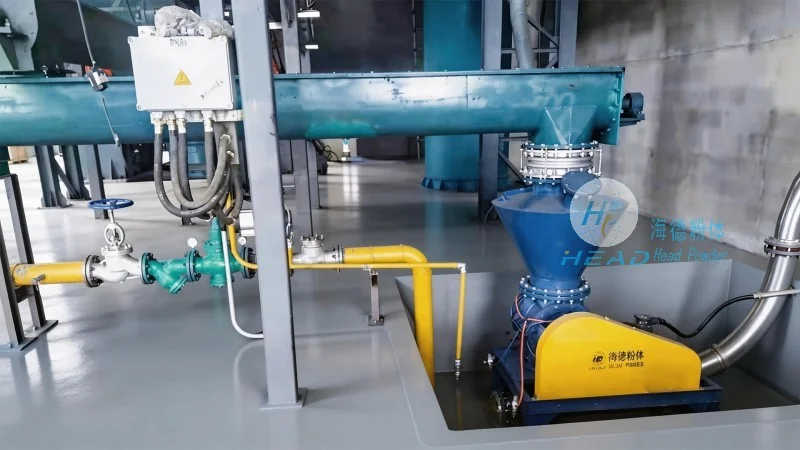
Environmental and Safety Considerations: Molybdenum trioxide is a hazardous material, and the choice of system should prioritize safety. Positive pressure systems are enclosed, which prevents dust from escaping and reduces the risk of inhalation by workers. Negative pressure systems, while less expensive, may require additional filtration and ventilation to control dust exposure. The regulatory requirements for handling hazardous materials in your region will also influence the choice between the two systems.
Conclusion
Choosing between positive pressure and negative pressure for molybdenum trioxide transport depends on a careful assessment of the material's characteristics, the system's requirements, and the safety and cost considerations. Positive pressure systems offer better control, safety, and handling of fine powders, making them suitable for most industrial applications. Negative pressure systems, while simpler and less expensive, may be limited in their effectiveness for fine materials and require additional safety measures.
Shandong HeadPowder Engineering Co., Ltd., a leading provider of powder handling solutions, specializes in designing and implementing customized transport systems for molybdenum trioxide and other industrial powders. With years of experience in the field, our team of experts can help you evaluate your specific needs and recommend the most appropriate transport method to ensure efficient, safe, and cost-effective handling of your molybdenum trioxide.