

Arsenic Trioxide Conveying: Choosing Positive Pressure or Negative Pressure? How to Distinguish?
When handling arsenic trioxide, selecting the appropriate conveying method is crucial for safety, efficiency, and operational stability. Two primary methods are commonly considered: positive pressure conveying and negative pressure conveying. Understanding the differences between these approaches and how to determine the best fit for a specific application is essential for industrial operations. The choice between these methods impacts not only the safety of personnel but also the overall performance and reliability of the conveying system.
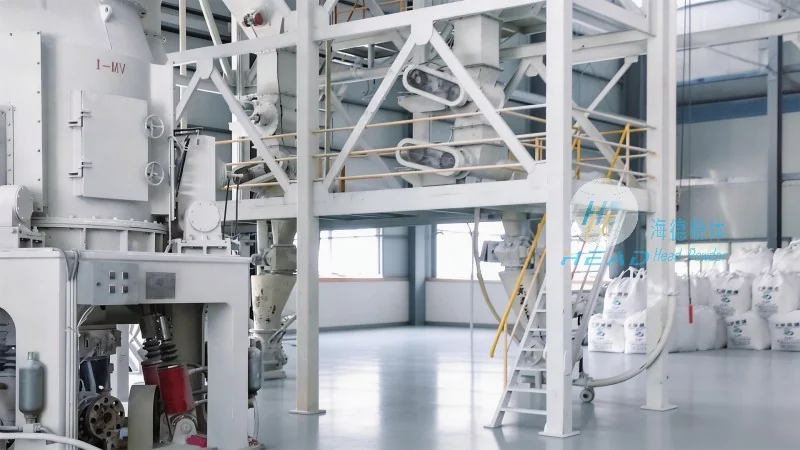
Positive Pressure Conveying: Advantages and Considerations
Positive pressure conveying involves using a positive pressure system to move material. In this method, the conveying air or gas is pressurized above the ambient pressure, pushing the material through the system. This approach is often preferred for materials that are dusty or have a tendency to create dust during handling. For arsenic trioxide, which is a fine powder with a high potential for dust generation, positive pressure conveying can help contain particles and prevent exposure to airborne arsenic. However, it requires careful design and maintenance to ensure that the system does not become a source of contamination or pose a health risk to operators. The equipment used in positive pressure systems, such as blowers and ducts, must be constructed to prevent leaks and maintain a sealed environment. Regular cleaning and inspection are necessary to avoid dust accumulation, which can compromise the system's performance and safety.
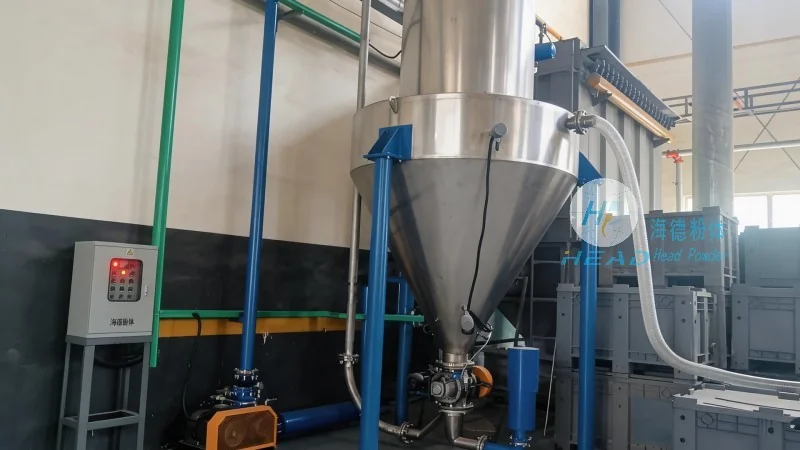
Negative Pressure Conveying: Advantages and Considerations
Negative pressure conveying, also known as vacuum conveying, uses a vacuum to draw material into the system. The system operates at a pressure lower than the ambient environment, pulling the material from the source into the conveying line. This method is often more suitable for materials that are less likely to generate dust or for applications where a closed system is preferred to minimize exposure. For arsenic trioxide, negative pressure conveying can be effective in reducing the risk of dust inhalation, as the material is drawn into the system rather than being expelled. The vacuum pump and filtration system are critical components in negative pressure conveying, as they must efficiently capture and retain fine particles to prevent their release into the environment. This approach is generally considered safer for handling hazardous powders like arsenic trioxide, as it minimizes the potential for dust to escape the system and contaminate the workplace.
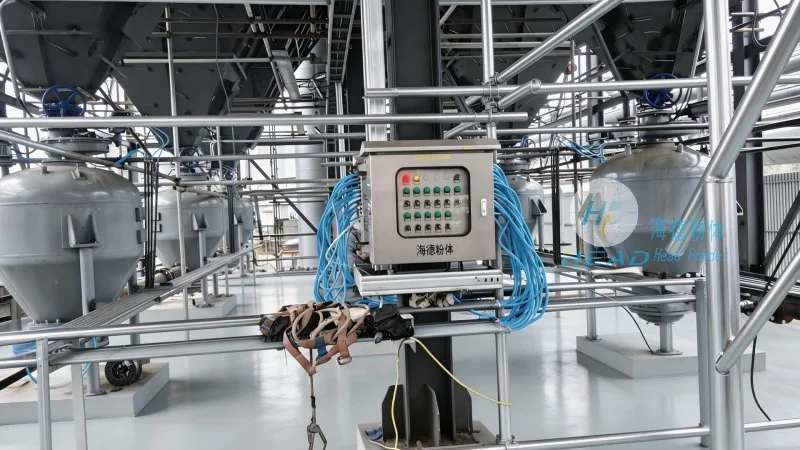
Distinguishing Between Positive and Negative Pressure Conveying
How can you determine which conveying method is best for your arsenic trioxide handling needs? Several factors should be considered: