

Choosing Between Positive Pressure and Negative Pressure for PVA-Formaldehyde Transport: How to Dist
When it comes to transporting polyvinyl alcohol (PVA) formaldehyde, a critical decision faces operators: should they opt for positive pressure or negative pressure systems? The choice significantly impacts efficiency, safety, and operational costs. This article explores the key factors to consider when selecting between these two transport methods, providing insights into how to distinguish the appropriate approach for your specific application.
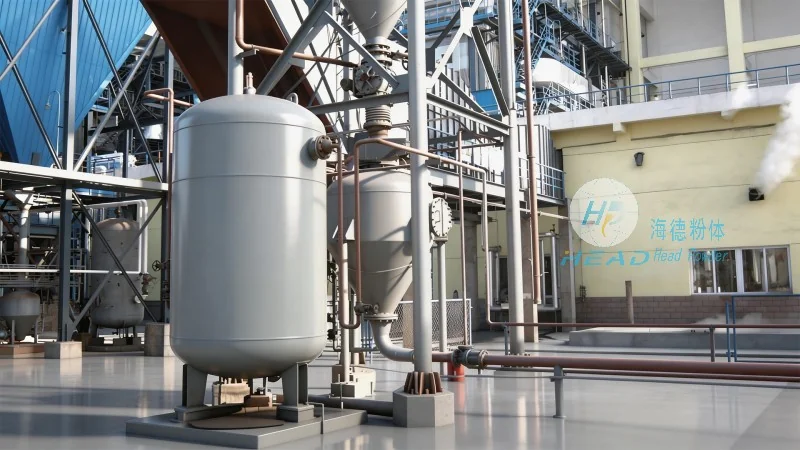
Understanding the Basics: Positive Pressure vs. Negative Pressure Transport
Positive pressure transport involves forcing material through a system using an air or gas stream that pushes the material forward. This method is often used for materials that are dusty or have a tendency to create static electricity, as the pressurized air helps to control dust and prevent clogging. Conversely, negative pressure transport draws material into a system using a vacuum or reduced pressure, which pulls the material from the source into the transport line. This approach is typically employed for materials that are less likely to generate dust or are more sensitive to pressure changes.
Key Considerations for Choosing Between Positive and Negative Pressure
The decision between positive and negative pressure transport for PVA-formaldehyde hinges on several critical factors. First, the physical properties of the material itself play a significant role. PVA-formaldehyde, being a polymer with potential dust generation and static charge issues, may benefit from positive pressure systems that can effectively manage these challenges. Positive pressure helps to keep the material in suspension and prevents blockages by maintaining a consistent flow of air or gas that pushes the material through the pipeline. On the other hand, if the material is less prone to dust or clogging, negative pressure might be sufficient, as it relies on the vacuum to draw the material without the need for high-pressure air.
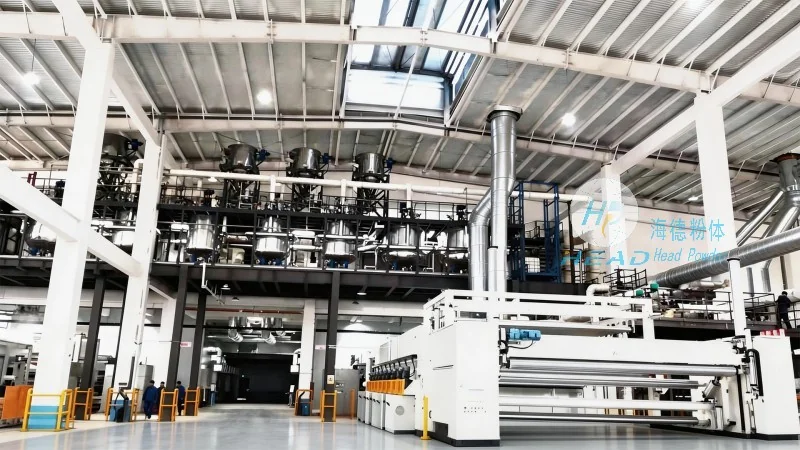
Second, the distance and layout of the transport system are important. Positive pressure systems are generally more suitable for longer distances or complex layouts, as they can maintain sufficient pressure to overcome resistance and ensure consistent material flow. Negative pressure systems, while effective for shorter distances or simpler setups, may struggle with longer runs or obstacles that increase resistance. The choice also depends on the system's design and the available infrastructure. For instance, positive pressure systems may require additional equipment like blowers or compressors, which can increase operational costs but provide greater control over the material's movement.
Third, safety considerations are paramount. PVA-formaldehyde, if not handled properly, can pose health risks due to dust inhalation or chemical exposure. Positive pressure systems often include filtration and ventilation systems to capture dust and ensure a safe working environment. Negative pressure systems, while also providing some level of containment, may require additional measures to prevent leaks or pressure buildup. The choice of system should align with the safety protocols and regulations in place for handling PVA-formaldehyde, ensuring that operators and the environment are protected.
Practical Examples and Case Studies
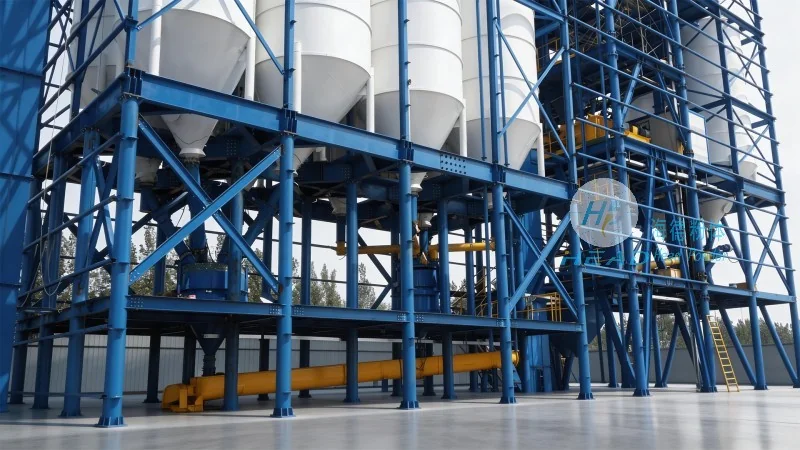
Real-world applications can illustrate the effectiveness of each approach. For example, a manufacturing plant in China that processes PVA-formaldehyde for textile applications might use a positive pressure system to transport the material from storage silos to processing units over a distance of several hundred meters. The system includes a blower that maintains a consistent pressure, ensuring that the material flows smoothly without clogging. In contrast, a smaller facility that produces PVA-formaldehyde for laboratory use might opt for a negative pressure system, as the shorter distances and lower material volumes make it more efficient and cost-effective.
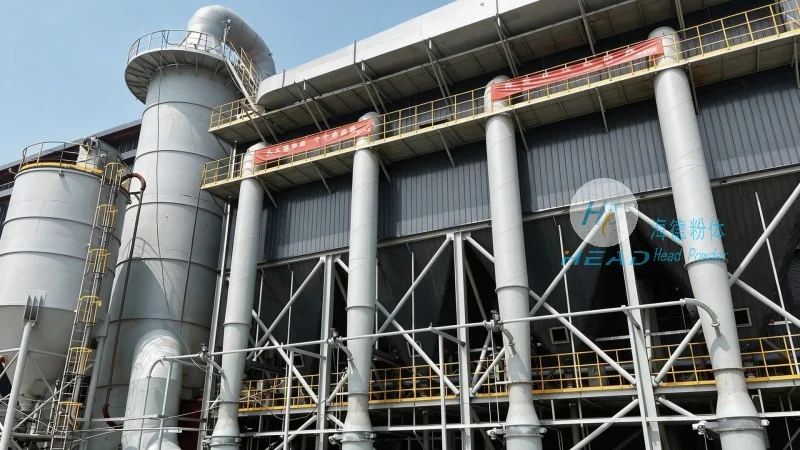
Another case involves a company in Shandong, China, where the local climate and material handling requirements led to the selection of a positive pressure system. The system, designed by Shandong HeadPowder Engineering Co., Ltd., incorporates advanced filtration and control mechanisms to manage the PVA-formaldehyde's dust and static properties. The positive pressure approach allowed the company to maintain a clean and safe environment while ensuring reliable material transport. This example highlights how the choice of transport method can be tailored to specific operational needs and environmental conditions.
Conclusion: Making the Right Choice for Your PVA-Formaldehyde Transport
Choosing between positive pressure and negative pressure for PVA-formaldehyde transport requires a careful evaluation of material properties, system design, and operational requirements. Positive pressure systems offer greater control and are ideal for longer distances or materials with dust and static issues, while negative pressure systems are more suitable for shorter runs or less problematic materials. By considering these factors and consulting with experts like Shandong HeadPowder Engineering Co., Ltd., operators can select the most appropriate transport method to ensure efficient, safe, and cost-effective operation.