

Technical Analysis of Green Bean Pneumatic Conveying Systems: Comparison of Positive Pressure and Ne
Green bean pneumatic conveying systems are critical in the processing and handling of green bean products, offering efficient and hygienic methods for material transport. This technical analysis explores the key differences between positive pressure and negative pressure conveying modes, helping industry professionals make informed decisions based on operational requirements and system design considerations.
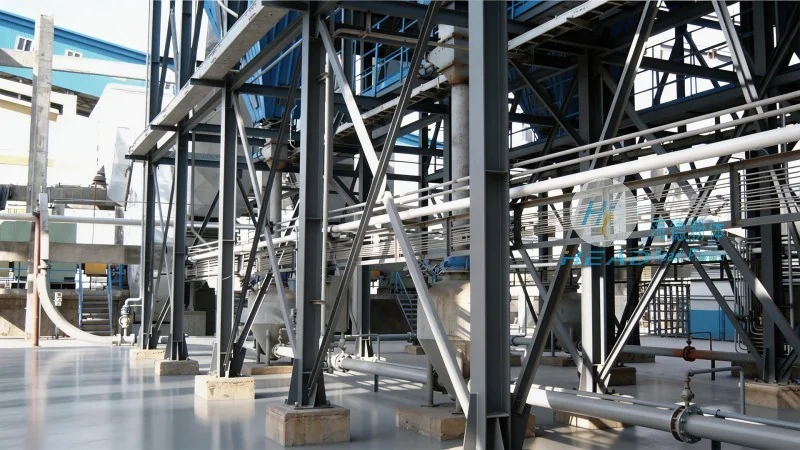
Introduction to Pneumatic Conveying Systems for Green Beans
Pneumatic conveying systems utilize air or gas to transport bulk materials like green beans through a pipeline network. These systems are widely adopted in food processing due to their ability to maintain product integrity, minimize contamination risks, and enable automated material handling. The choice between positive pressure and negative pressure systems depends on factors such as material characteristics, system layout, and operational efficiency goals.
Positive Pressure Conveying Mode: Advantages and Applications
Positive pressure conveying systems operate by blowing air or gas into the conveying line, creating a pressure higher than the ambient environment. This mode is particularly suitable for green bean processing where the material is light and dusty, as it effectively prevents material degradation and ensures consistent flow. The system typically includes a blower, a hopper, and a discharge point, with the air flow direction pushing the material forward.
Key advantages of positive pressure systems include higher conveying capacity, reduced system complexity, and better control over material handling. For green bean applications, this mode is ideal for short to medium distance transport, such as moving beans from a storage silo to a processing line. The positive pressure also helps in maintaining product moisture levels and preventing clogging in the pipeline.
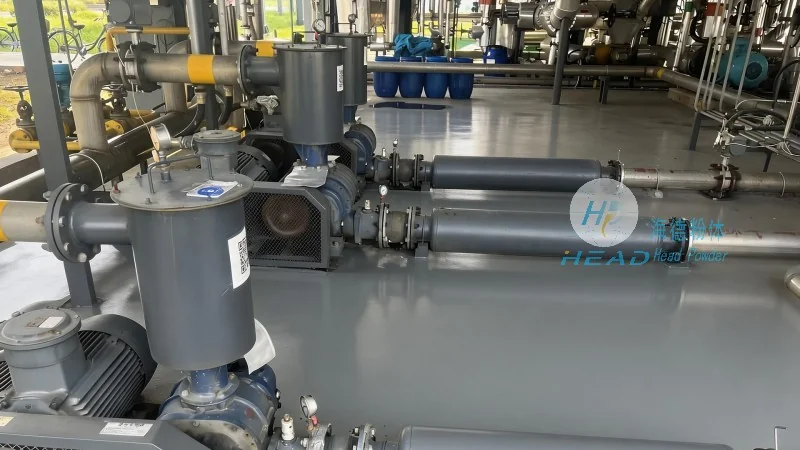
Negative Pressure Conveying Mode: Technical Features and Use Cases
Negative pressure conveying systems, on the other hand, operate by creating a vacuum or low pressure within the conveying line, drawing material from the source into the system. This mode is often preferred for handling materials that are more cohesive or prone to dust generation, as it captures and transports particles without exposing them to high air velocities.
The negative pressure system typically consists of a vacuum pump, a collection hopper, and a discharge point, with the air flow direction pulling the material into the pipeline. For green bean processing, this mode is suitable for longer distances or when the material needs to be transported from multiple sources to a central processing unit. The vacuum environment helps in controlling dust emissions and maintaining product quality during transport.
Comparison of Positive and Negative Pressure Systems for Green Beans
When comparing positive and negative pressure conveying modes for green beans, several factors must be considered. Positive pressure systems generally offer higher conveying rates and are more efficient for short distances, while negative pressure systems are better suited for longer distances and more sensitive materials. The choice also depends on the initial investment costs, energy consumption, and maintenance requirements of each system.
From a maintenance perspective, positive pressure systems may require more frequent filter changes due to higher dust load, whereas negative pressure systems need careful attention to vacuum pump performance and air intake filtration. Additionally, the system layout and available space in the processing facility can influence the selection, as positive pressure systems are often more compact and easier to integrate into existing infrastructure.
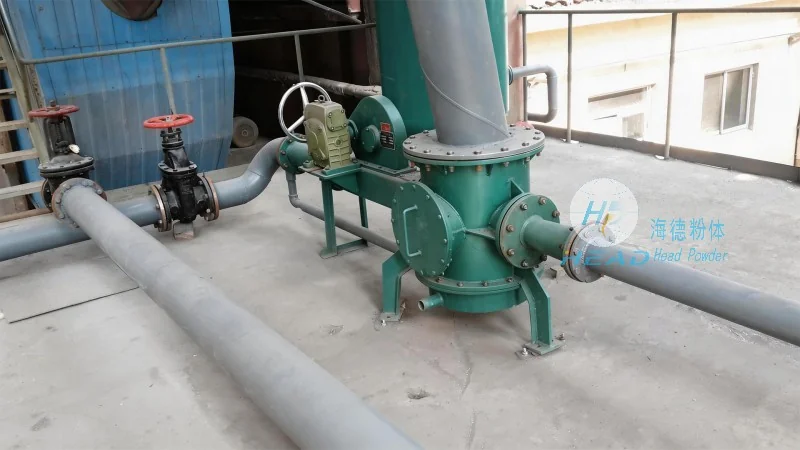
Key Considerations for Selecting the Right Conveying Mode
When selecting between positive and negative pressure pneumatic conveying systems for green beans, manufacturers should evaluate their specific operational needs. Factors such as material density, moisture content, and particle size distribution play a crucial role in determining the optimal conveying mode. For instance, if the green beans are dry and free-flowing, a positive pressure system may provide the best performance, while if the material is more cohesive or contains fine particles, a negative pressure system might be more effective.
Energy efficiency is another critical consideration. Positive pressure systems typically consume more energy due to the higher air pressure required, whereas negative pressure systems may have lower energy costs but could require more robust vacuum pumps. The long-term operational costs, including maintenance and energy expenses, should be weighed against the initial capital investment to make an informed decision.
Conclusion: Balancing Efficiency and Product Integrity
In conclusion, both positive and negative pressure pneumatic conveying systems offer viable solutions for green bean transport, each with distinct advantages and applications. The choice between the two modes should be based on a thorough analysis of the material characteristics, system requirements, and operational goals. By understanding the technical differences and performance characteristics of each system, food processing companies can select the most suitable conveying mode to ensure efficient, hygienic, and cost-effective material handling in their green bean processing operations.