

Technical Analysis of Soda Ash Pneumatic Conveying Systems: Comparison of Positive Pressure and Nega
Soda ash, also known as sodium carbonate, is a critical industrial chemical with widespread applications in glass manufacturing, chemical production, and water treatment. The efficient and reliable transportation of soda ash from storage to processing units is essential for maintaining production efficiency and minimizing operational costs. Pneumatic conveying systems have become a preferred method for handling bulk materials like soda ash due to their ability to transport materials in a closed system, reducing dust exposure and environmental impact. This article provides a technical analysis of two primary pneumatic conveying modes—positive pressure and negative pressure—and compares their applications, advantages, and limitations in the context of soda ash handling.
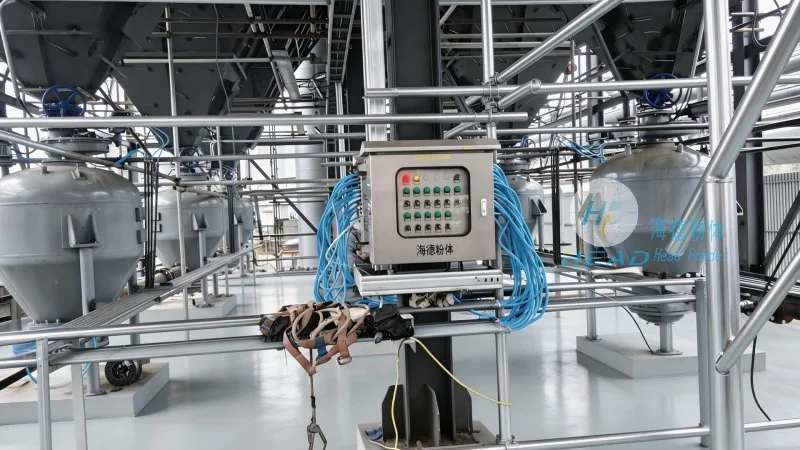
Positive Pressure Conveying Mode
Positive pressure conveying systems operate by blowing air or a gas mixture into the conveying line, creating a pressure higher than the ambient air pressure. The material is then drawn into the line by the pressure differential and transported to the destination. In the case of soda ash, positive pressure systems typically use compressed air or a combination of air and inert gases to move the material. These systems are known for their high conveying capacity and ability to handle a wide range of material characteristics, including abrasive or corrosive materials like soda ash. The positive pressure mode is particularly effective for long-distance and high-volume conveying, as it can maintain consistent flow rates and pressure levels over extended distances.
Key features of positive pressure conveying for soda ash include: high material throughput, ability to handle varying particle sizes and moisture content, and the option to use different gas compositions (e.g., air, nitrogen) to control material properties such as dust generation and oxidation. The system design typically involves a blower or compressor at the inlet, a hopper for material loading, and a receiver at the discharge end. The positive pressure mode is also suitable for applications where the material needs to be conveyed to multiple destinations, as the system can be configured with multiple discharge points.
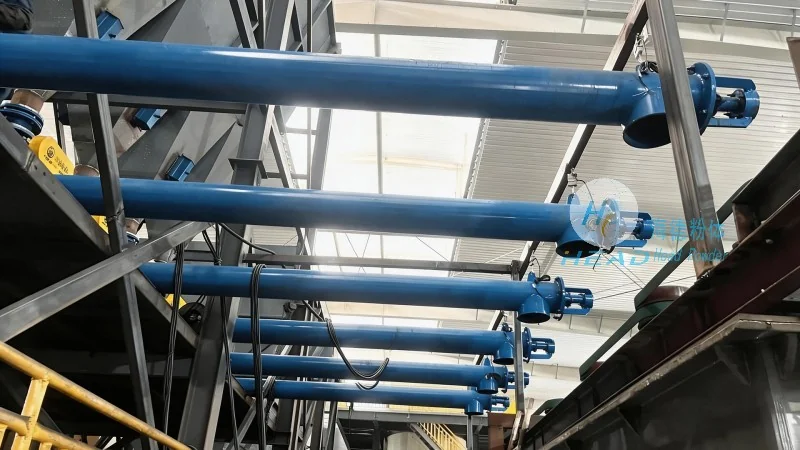
Negative Pressure Conveying Mode
Negative pressure conveying, also known as vacuum conveying, operates by creating a vacuum in the conveying line, which draws material from the source into the system. The material is then transported to the receiver by the pressure differential between the source and the receiver. For soda ash, negative pressure systems use a vacuum pump to create the necessary suction force. These systems are often preferred for shorter conveying distances and for handling materials that are sensitive to pressure or temperature changes, as the vacuum environment minimizes material degradation. Negative pressure conveying is particularly effective for handling fine powders or materials that are prone to caking, as the low pressure reduces the risk of material agglomeration.
Key characteristics of negative pressure conveying for soda ash include: lower material throughput compared to positive pressure systems, suitability for short to medium distances (typically up to 100 meters), and the ability to handle materials with higher moisture content or lower bulk density. The system design typically includes a vacuum pump, a hopper with a loading port, and a receiver with a discharge valve. The negative pressure mode is also advantageous for applications where the material needs to be conveyed from multiple sources to a single destination, as the system can be configured with multiple inlet points.
Comparison of Positive Pressure and Negative Pressure Conveying Modes
When selecting a pneumatic conveying system for soda ash, it is essential to compare the positive and negative pressure modes based on specific operational requirements. The choice between the two depends on factors such as conveying distance, material characteristics, required throughput, and system complexity. Positive pressure systems are generally more suitable for long-distance, high-volume applications due to their higher conveying capacity and ability to maintain consistent pressure. They are also more efficient for handling abrasive or corrosive materials, as the higher pressure reduces the risk of material degradation. However, positive pressure systems require more maintenance and energy consumption due to the need for a blower or compressor.
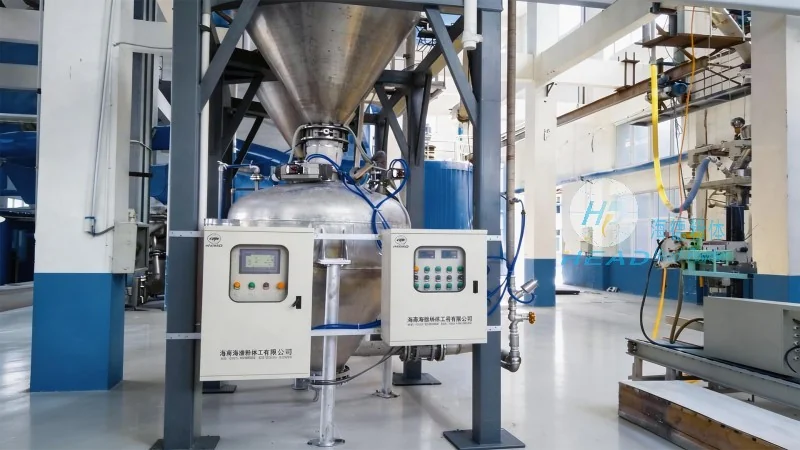
Negative pressure systems, on the other hand, are better suited for short to medium distances and for handling fine or sensitive materials. They are more energy-efficient for short conveying distances and can handle materials with higher moisture content or lower bulk density. However, negative pressure systems have lower conveying capacity and are more susceptible to material clogging or blockages, especially with abrasive or sticky materials like some types of soda ash. The vacuum environment also increases the risk of dust leakage if the system is not properly sealed.
In terms of cost, positive pressure systems are generally more expensive to install and maintain due to the higher power requirements and more complex components. Negative pressure systems are typically less expensive but may require more frequent maintenance to prevent clogging and ensure proper sealing. The choice between the two modes should also consider the environmental impact, as positive pressure systems may generate more noise and air pollution compared to negative pressure systems.