

Technical Analysis of Slag Pneumatic Conveying Systems: Comparison of Positive Pressure vs. Negative
Slag, a byproduct of metal smelting processes, requires efficient and reliable transportation methods for industrial applications. Pneumatic conveying systems have emerged as a preferred solution for handling slag due to their ability to transport materials over long distances with minimal maintenance and environmental impact. This article provides a technical analysis of two primary conveying modes—positive pressure and negative pressure—used in slag pneumatic conveying systems, highlighting the advantages and considerations of each approach.
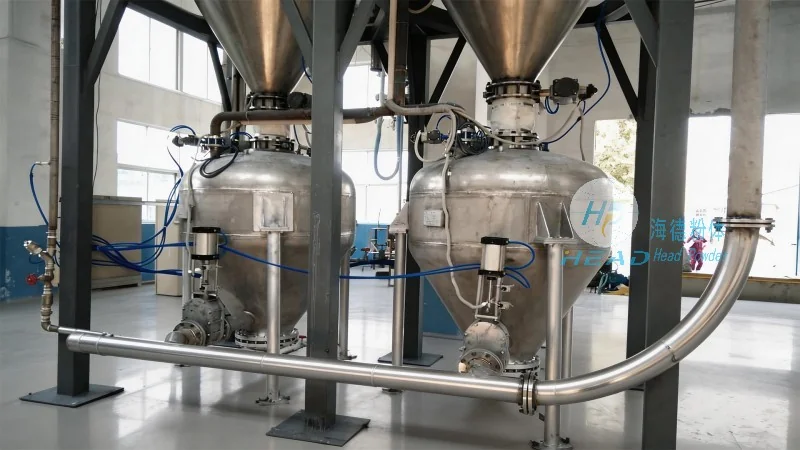
Company Overview: Shandong HeadPowder Engineering Co., Ltd.
As a leading provider of engineering solutions for bulk material handling, Shandong HeadPowder Engineering Co., Ltd. specializes in designing and manufacturing advanced pneumatic conveying systems. With a focus on innovation and customer-centric design, the company has established itself as a trusted partner in the industrial sector. HeadPowder's expertise lies in delivering customized solutions that meet the specific requirements of clients, ensuring optimal performance and reliability in slag transportation applications. The company is headquartered in Shandong, China, and serves a global clientele with a commitment to quality and sustainability.
Positive Pressure Conveying Mode
Positive pressure pneumatic conveying systems operate by generating air pressure above atmospheric pressure at the conveying line inlet. This method involves blowing air into the system, which propels the material through the pipeline. The primary advantage of positive pressure systems is their ability to handle abrasive and corrosive materials like slag, as the high-pressure air effectively moves the material without causing excessive wear on the equipment. Additionally, positive pressure systems are well-suited for long-distance conveying, as they can maintain consistent flow rates over extended distances. However, these systems require robust air compressors and may generate higher noise levels compared to negative pressure systems. The design of positive pressure systems typically includes a hopper, feeder, and a high-pressure blower, ensuring efficient material transport. HeadPowder's expertise in positive pressure technology allows for the development of customized systems that optimize performance and reduce operational costs for clients.
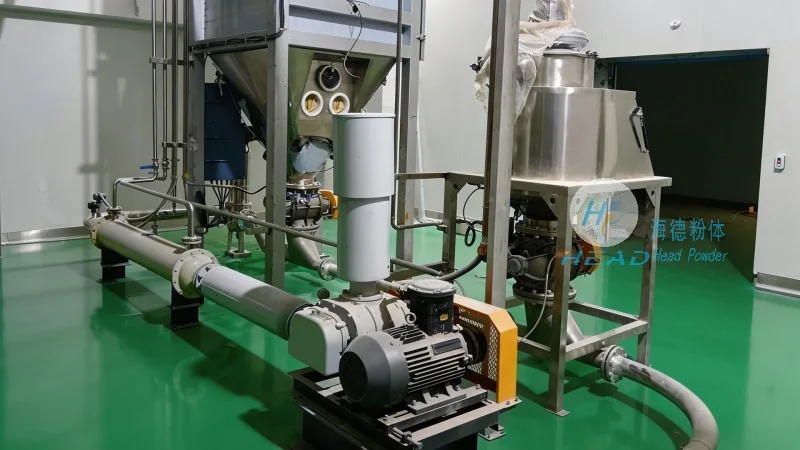
Negative Pressure Conveying Mode
Negative pressure pneumatic conveying systems, also known as vacuum systems, operate by creating a vacuum at the conveying line inlet. Air is drawn into the system, pulling the material from the source and through the pipeline. This approach is particularly effective for applications where dust control is a priority, as the system captures and contains particles within the pipeline. Negative pressure systems are generally quieter and require less power compared to positive pressure systems, making them suitable for indoor or noise-sensitive environments. However, they may have limitations in handling highly abrasive materials or transporting materials over very long distances, as the vacuum may not maintain sufficient flow rates. The design of negative pressure systems includes a vacuum pump, filter, and collection hopper, ensuring that the material is safely contained and processed. HeadPowder's negative pressure solutions are engineered to provide reliable performance while minimizing environmental impact, aligning with modern industrial standards.
Comparison of Positive and Negative Pressure Conveying Modes
When selecting a pneumatic conveying system for slag transportation, it is essential to evaluate the characteristics of both positive and negative pressure modes. Positive pressure systems excel in long-distance conveying and handling abrasive materials, making them ideal for industrial plants with extensive slag processing facilities. Conversely, negative pressure systems are preferred for applications requiring low noise levels and effective dust control, such as in urban or indoor settings. The choice between the two modes depends on factors like the distance of material transport, the nature of the slag (e.g., abrasive or fine particles), and the environmental regulations of the site. HeadPowder offers comprehensive technical support to help clients assess their specific needs and select the most appropriate conveying mode, ensuring optimal system performance and operational efficiency.
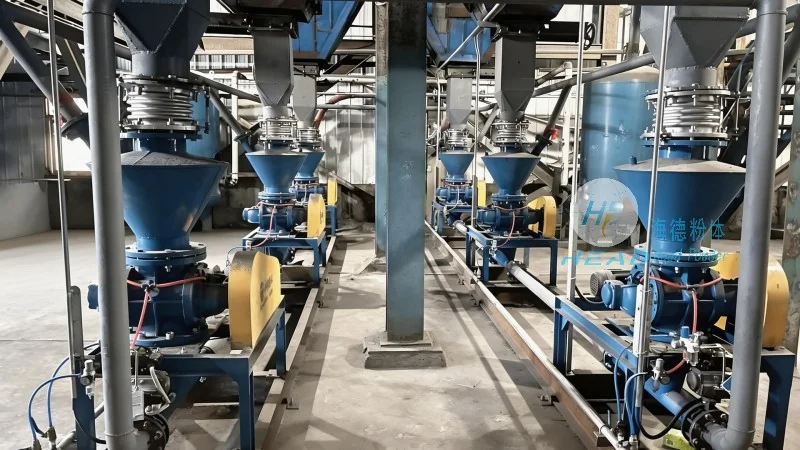
Key Considerations for Slag Pneumatic Conveying System Design
Designing an effective slag pneumatic conveying system involves several critical considerations that impact performance and longevity. Material properties, such as particle size, density, and abrasiveness, play a significant role in determining the appropriate conveying mode and equipment specifications. For instance, highly abrasive slag may require reinforced pipelines and specialized feeders to prevent wear and tear. Additionally, the distance between the source and destination, as well as the required flow rate, influence the selection of air pressure and system components. HeadPowder's engineering team utilizes advanced computational fluid dynamics (CFD) and material handling expertise to design systems that meet these specific requirements. The company also emphasizes the importance of regular maintenance and system monitoring to ensure long-term reliability and minimize downtime. By addressing these key considerations, HeadPowder delivers customized slag pneumatic conveying systems that enhance operational efficiency and reduce maintenance costs for clients.
Conclusion
In conclusion, the choice between positive pressure and negative pressure pneumatic conveying modes for slag transportation depends on the specific requirements of the industrial application. Positive pressure systems offer advantages in long-distance conveying and handling abrasive materials, while negative pressure systems excel in noise control and dust containment. Shandong HeadPowder Engineering Co., Ltd. provides expert solutions in both modes, leveraging its technical expertise and customer-centric approach to deliver reliable and efficient slag pneumatic conveying systems. With a focus on innovation and sustainability, HeadPowder continues to serve clients globally, ensuring that their slag handling needs are met with cutting-edge technology and superior performance.