

Technical Analysis of Lithium Oxide Pneumatic Conveying Systems: Comparison of Positive Pressure and
HeadPowder, a leading engineering firm based in Shandong, China, specializes in the design and implementation of advanced pneumatic conveying systems for various industrial applications. This technical analysis focuses on the key aspects of lithium oxide handling using pneumatic conveying technologies, particularly by comparing the operational principles and practical applications of positive pressure and negative pressure conveying modes.
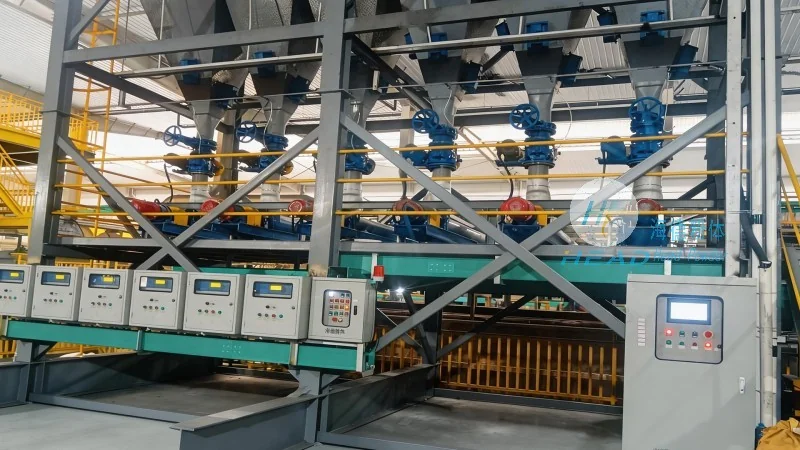
Understanding Pneumatic Conveying Modes
Pneumatic conveying systems are widely used in material handling due to their efficiency, flexibility, and ability to transport powders and granules over long distances without mechanical contact. The two primary modes of operation are positive pressure and negative pressure systems, each with distinct characteristics that influence their suitability for specific materials like lithium oxide.
Positive Pressure Conveying Systems
Positive pressure systems operate by blowing air or gas into the conveying line, creating a pressure higher than the ambient air pressure. This method is effective for transporting materials through long pipelines and over significant vertical or horizontal distances. In the context of lithium oxide, positive pressure systems can handle abrasive or corrosive powders, ensuring consistent flow rates and minimizing material degradation. The system typically includes a blower, a hopper for material storage, and a discharge point where the material is released. The pressure differential ensures that the material is propelled forward, making it suitable for applications requiring high throughput and reliable material transport.
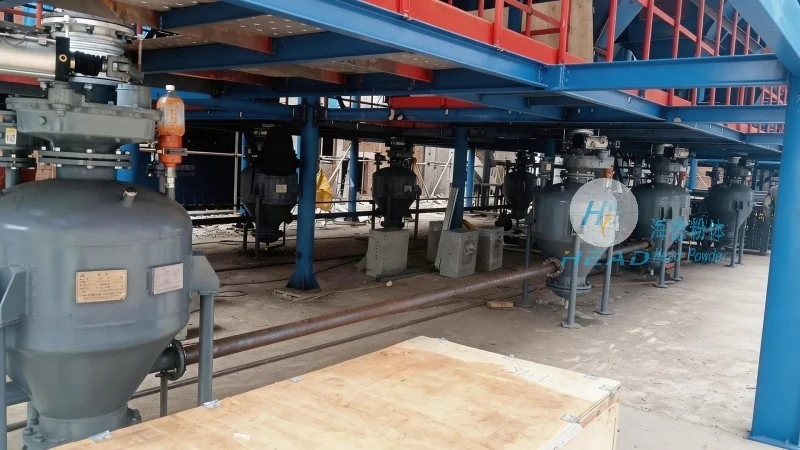
Negative Pressure Conveying Systems
Negative pressure systems, also known as vacuum conveying, work by creating a vacuum in the conveying line, which draws material from the source into the system. This mode is particularly advantageous for handling fine powders that are prone to dust generation or for applications where the material needs to be collected from multiple points. For lithium oxide, negative pressure systems can effectively manage dust control and ensure that the material is transported without exposure to external contaminants. The vacuum is generated by a vacuum pump, and the system often includes a filter to capture any airborne particles, maintaining environmental compliance and material purity. This mode is ideal for applications where the material source is at a higher elevation or where the process requires a controlled, low-dust environment.
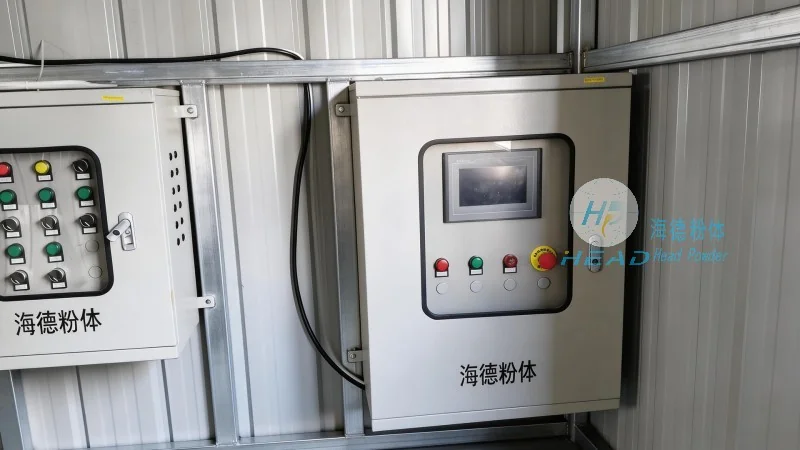
Technical Comparison of Positive vs. Negative Pressure Systems
When comparing positive and negative pressure systems for lithium oxide handling, several factors must be considered. Positive pressure systems generally offer higher conveying capacities and are more suitable for long-distance transport, as they can maintain consistent pressure throughout the pipeline. However, they may require more robust equipment to handle abrasive materials and can generate higher noise levels. On the other hand, negative pressure systems are better suited for fine powders and applications requiring dust control, as the vacuum environment minimizes particle dispersion. They are also more energy-efficient for short-distance transport and can handle materials with higher moisture content. The choice between the two modes depends on the specific operational requirements, including material characteristics, distance, and environmental considerations.
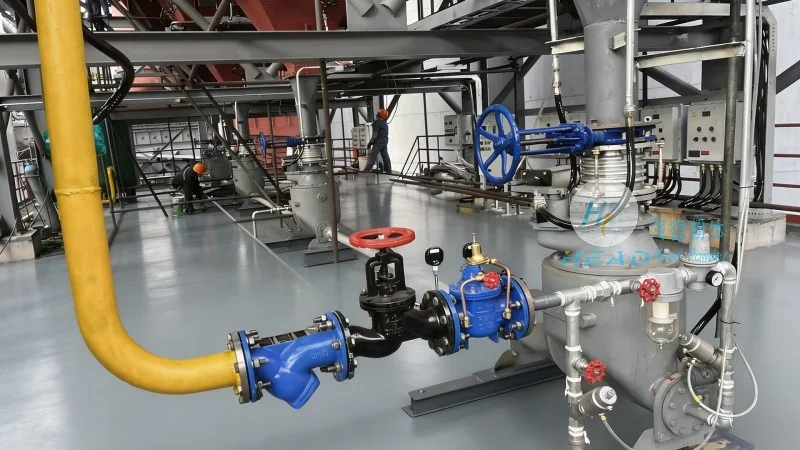
Application Considerations for Lithium Oxide Handling
For industries dealing with lithium oxide, the selection of a pneumatic conveying system must align with the material's properties and the process requirements. Lithium oxide is a fine, potentially reactive powder that requires careful handling to prevent agglomeration and ensure consistent quality. Positive pressure systems are often preferred for bulk material transport in manufacturing facilities, where high throughput and reliability are critical. Negative pressure systems may be more appropriate for laboratory or research settings where precise material control and minimal contamination are essential. Additionally, the system design must consider factors such as pipeline length, vertical rise, and the need for dust collection equipment to comply with environmental regulations. HeadPowder's expertise in customizing pneumatic conveying solutions ensures that clients can optimize their lithium oxide handling processes based on these specific needs.
Conclusion
In conclusion, pneumatic conveying systems provide an efficient and effective method for transporting lithium oxide, with positive and negative pressure modes offering distinct advantages. Positive pressure systems excel in high-capacity, long-distance transport, while negative pressure systems are superior for fine powders and dust control. By understanding the technical differences and application requirements, industries can select the most suitable conveying mode to enhance operational efficiency and material quality. HeadPowder, with its strong engineering background and experience in material handling, continues to provide innovative solutions for lithium oxide processing, ensuring that clients achieve optimal performance and compliance in their industrial operations.