

Technical Analysis of Calcium Fluoride Pneumatic Conveying Systems: A Comparison of Positive Pressur
Calcium fluoride, a widely used chemical compound in various industrial applications, often requires efficient and reliable material handling solutions. Pneumatic conveying systems have emerged as a critical technology for transporting calcium fluoride powder, offering advantages such as reduced dust, improved safety, and enhanced process control. This technical analysis delves into the two primary modes of pneumatic conveying—positive pressure and negative pressure systems—comparing their operational principles, advantages, and practical applications. The discussion is presented by Shandong HeadPowder Engineering Co., Ltd., a leading provider of engineering solutions based in China.
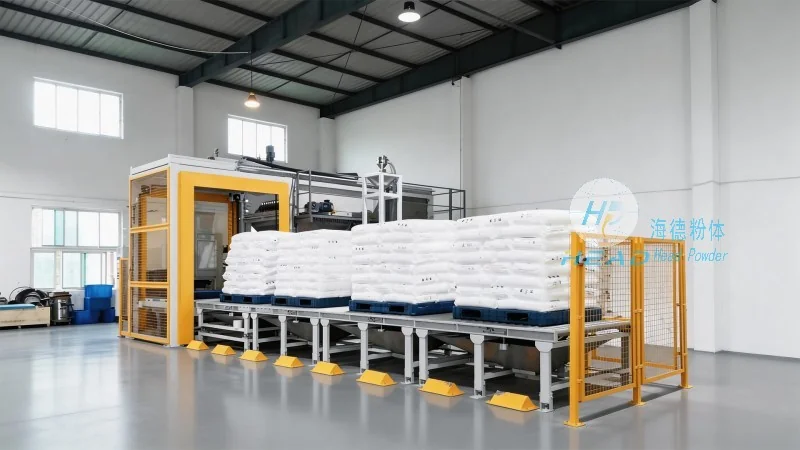
Introduction to Pneumatic Conveying Systems for Calcium Fluoride
Pneumatic conveying systems utilize air or gas to transport bulk materials like calcium fluoride powder through a pipeline network. These systems are essential in industries where traditional mechanical conveying methods may be unsuitable due to material properties, such as high dust generation or the need for enclosed transport to prevent contamination. The choice between positive pressure and negative pressure conveying modes significantly impacts system efficiency, cost, and operational safety. Understanding the nuances of each mode is crucial for selecting the most appropriate solution for calcium fluoride handling.
Positive Pressure Pneumatic Conveying Mode
Positive pressure systems operate by blowing air or gas into the conveying line, creating a pressure higher than the ambient environment. This pressurized air propels the calcium fluoride particles forward through the pipeline. The system typically includes a blower or compressor at the inlet, which supplies the necessary air pressure to move the material. A key advantage of positive pressure systems is their ability to handle long distances and multiple transfer points without significant pressure loss. They are particularly effective for applications requiring high material throughput and where the material is sensitive to moisture or contamination. The positive pressure mode also allows for the integration of additional equipment, such as filters or cyclones, to enhance material separation and cleaning.
Key Features and Advantages of Positive Pressure Conveying
Positive pressure systems are known for their robustness and reliability. The pressurized air ensures consistent material flow, reducing the risk of clogging or blockages in the pipeline. This mode is well-suited for handling calcium fluoride in large-scale production facilities where continuous operation is critical. Additionally, positive pressure systems can accommodate a wide range of particle sizes and flow rates, making them versatile for various industrial processes. The enclosed nature of the system minimizes dust exposure, contributing to better workplace safety and compliance with environmental regulations. However, the high air pressure requirements can lead to increased energy consumption and higher operational costs compared to other conveying methods.
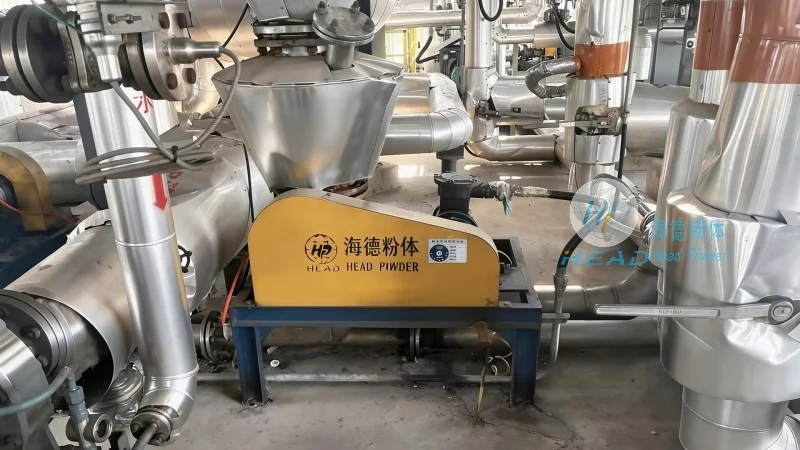
Applications of Positive Pressure Conveying in Calcium Fluoride Handling
Positive pressure conveying is commonly used in scenarios where the calcium fluoride needs to be transported over long distances or through complex network configurations. For instance, in mining and processing plants, positive pressure systems can efficiently move calcium fluoride from storage silos to processing units or to off-site facilities. The ability to handle multiple transfer points without the need for intermediate vacuum pumps makes this mode ideal for large-scale operations. Furthermore, positive pressure systems are preferred when the material is prone to agglomeration or when maintaining a consistent flow rate is essential for downstream processes. The system's ability to integrate with dust collection and filtration equipment also supports compliance with air quality standards, making it a preferred choice in regulated industries.
Negative Pressure Pneumatic Conveying Mode
Negative pressure systems, also known as vacuum conveying, operate by creating a vacuum in the conveying line, drawing the calcium fluoride particles into the system. A vacuum pump or fan is used to reduce the pressure inside the pipeline, causing the material to be pulled from the source into the transport line. This mode is particularly effective for handling materials that are light, fine, or prone to generating dust during transport. Negative pressure systems are often preferred when the material needs to be transported from a lower elevation to a higher one, as the vacuum can assist in lifting the material against gravity.
Key Features and Advantages of Negative Pressure Conveying
Negative pressure systems offer several advantages, including lower energy consumption compared to positive pressure systems, as they do not require high-pressure air or gas. The vacuum operation also reduces the risk of material spillage or leakage, enhancing safety in handling calcium fluoride. This mode is particularly suitable for applications where the material is sensitive to high pressure or where the system needs to be compact and low-profile. Negative pressure conveying is often used in laboratory or small-scale industrial settings where the material volume is relatively low. The system's ability to handle fine powders without causing excessive wear on components is another key benefit. However, negative pressure systems have limitations, such as the inability to transport materials over long distances or through multiple transfer points without significant pressure loss, and the risk of material degradation due to prolonged exposure to vacuum.
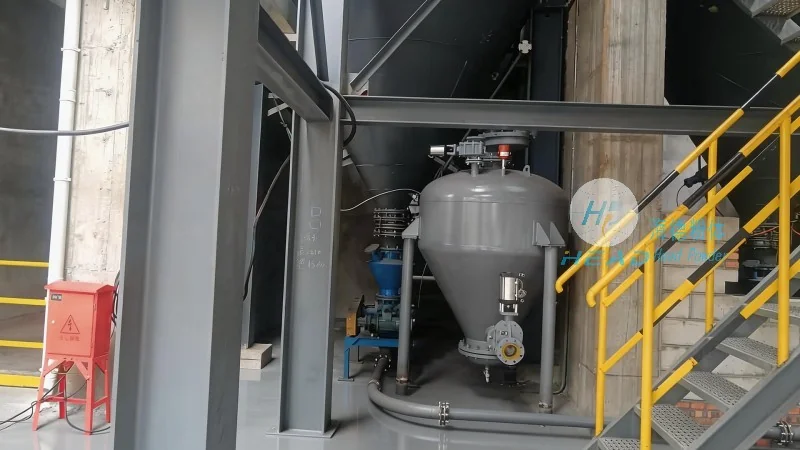
Applications of Negative Pressure Conveying in Calcium Fluoride Handling
Negative pressure conveying is commonly employed in scenarios where the calcium fluoride is to be transported over short distances or in small quantities. For example, in research laboratories or small-scale production facilities, negative pressure systems can efficiently move calcium fluoride from hoppers or containers to processing equipment. The system's compact design and low energy requirements make it ideal for applications where space and cost are critical factors. Additionally, negative pressure conveying is preferred when the material is highly sensitive to moisture or when the need to minimize dust generation is paramount. The ability to integrate with filtration systems to capture fine particles ensures that the material remains clean and free from contamination, which is essential for applications requiring high purity calcium fluoride. However, the system's limitations in handling large volumes or long distances mean it is not suitable for large-scale industrial operations.
Comparison of Positive Pressure vs Negative Pressure Conveying for Calcium Fluoride
When selecting between positive pressure and negative pressure pneumatic conveying systems for calcium fluoride, several factors must be considered. The primary difference lies in the operational principle: positive pressure systems use pressurized air to push material, while negative pressure systems use vacuum to pull material. This fundamental difference impacts system design, energy consumption, and material handling capabilities. Positive pressure systems are generally more suitable for large-scale, long-distance, and high-throughput applications, offering higher reliability and efficiency. They are ideal for industrial settings where consistent material flow and enclosed transport are required. In contrast, negative pressure systems are better suited for small-scale, short-distance, and low-volume applications, particularly where material sensitivity to pressure or space constraints are key considerations.
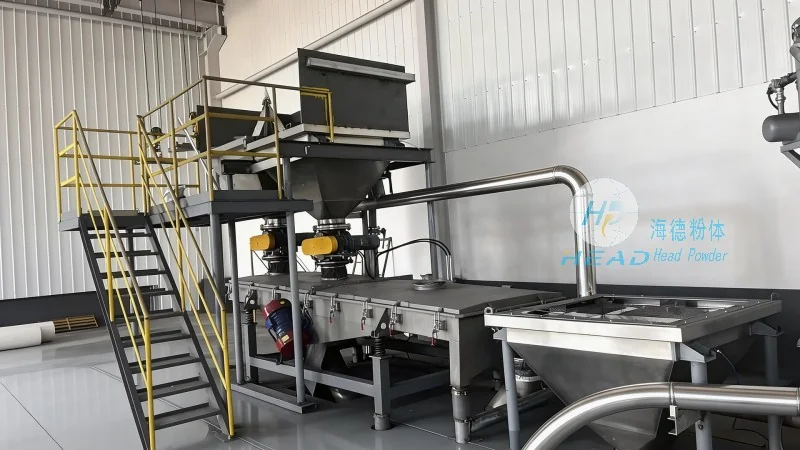
The choice between the two modes also depends on the specific properties of the calcium fluoride being handled. For example, if the material is fine and prone to dust generation, negative pressure systems may be preferred to minimize particle loss and maintain material purity. Conversely, if the material is coarse or requires high material throughput, positive pressure systems offer superior performance. Additionally, the cost of implementation and operational expenses must be evaluated. Positive pressure systems typically require higher initial investment due to the need for blower or compressor equipment, but they offer lower long-term energy costs. Negative pressure systems have lower initial costs but may incur higher energy expenses due to the continuous operation of vacuum pumps. Overall, the selection of the appropriate conveying mode should be based on a thorough analysis of the application requirements, material characteristics, and operational constraints to ensure optimal performance and cost-effectiveness.
Conclusion and Recommendations
Both positive pressure and negative pressure pneumatic conveying systems are effective solutions for handling calcium fluoride, each with distinct advantages and limitations. Positive pressure systems are generally recommended for large-scale industrial applications requiring high material throughput, long-distance transport, and robust operation. They provide reliable, enclosed transport with minimal dust exposure, making them suitable for compliance with environmental and safety regulations. Negative pressure systems, on the other hand, are ideal for small-scale or laboratory applications where material sensitivity to pressure, space constraints, or low material volumes are critical factors. They offer lower initial costs and energy consumption but may have limitations in handling large volumes or long distances.
Shandong HeadPowder Engineering Co., Ltd., with its expertise in engineering solutions, provides tailored pneumatic conveying systems for calcium fluoride handling. The company's technical analysis and practical experience enable the selection of the most appropriate conveying mode based on specific operational needs. By considering factors such as material properties, application scale, and operational constraints, industries can optimize their calcium fluoride handling processes, ensuring efficiency, safety, and compliance with industry standards. The choice between positive and negative pressure systems ultimately depends on the unique requirements of each application, and a thorough evaluation of these factors is essential for achieving the best results.