

Technical Analysis of Manganese Sulfate Pneumatic Conveying Systems: Comparison of Positive Pressure
For industrial applications involving the handling of manganese sulfate, the selection of an appropriate pneumatic conveying system is critical to ensure efficiency, safety, and cost-effectiveness. This article provides a technical analysis of two primary conveying modes—positive pressure and negative pressure systems—specifically tailored for manganese sulfate transport. The comparison aims to help industry professionals make informed decisions based on operational requirements, material characteristics, and system design considerations.
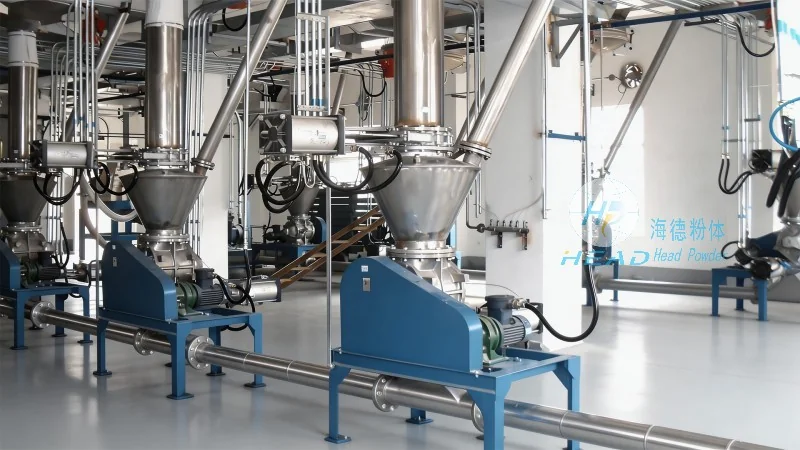
Introduction to Manganese Sulfate Pneumatic Conveying
Manganese sulfate is widely used in various industries, including battery manufacturing, fertilizers, and chemical production. Its handling often involves bulk material transport from storage to processing units. Pneumatic conveying systems offer a non-contact, dust-free, and flexible method for transporting such materials. However, the choice between positive and negative pressure systems depends on several factors, including the material's properties, system layout, and operational constraints.
About HeadPowder: A Leading Engineering Solutions Provider
HeadPowder, formally known as Shandong HeadPowder Engineering Co., Ltd., is a professional engineering company based in Shandong, China. With years of experience in the field of material handling and process engineering, HeadPowder specializes in designing and implementing customized pneumatic conveying solutions for diverse industrial applications. The company's expertise lies in optimizing system performance while ensuring compliance with safety and environmental standards.
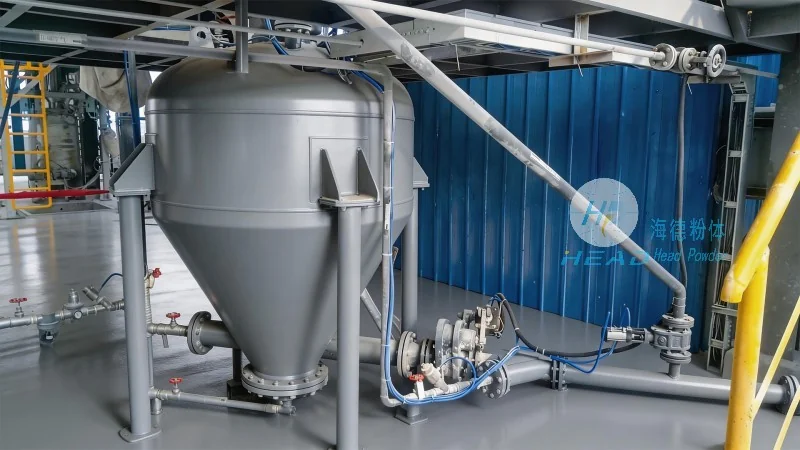
Positive Pressure Pneumatic Conveying Systems
Positive pressure systems operate by blowing air or a gas mixture into the conveying line, creating a pressure higher than the ambient air pressure. This mode is particularly suitable for transporting manganese sulfate in applications where the material is prone to dusting or where the system layout involves long horizontal or vertical distances. The primary advantage of positive pressure systems is their ability to handle abrasive or corrosive materials like manganese sulfate without causing excessive wear on components. Additionally, they can transport materials over longer distances and through complex network configurations.
Negative Pressure Pneumatic Conveying Systems
Negative pressure systems, also known as vacuum conveying systems, work by creating a vacuum in the conveying line, drawing material from the source into the system. This mode is often preferred for applications where the material is sensitive to air exposure or where the system requires a closed environment to prevent dust emissions. For manganese sulfate, negative pressure systems are ideal for handling fine powders that might be affected by moisture or air contact, as they minimize the risk of material degradation. However, these systems typically have limitations in terms of conveying distance and material throughput compared to positive pressure systems.
Key Differences and Performance Comparison
When comparing positive and negative pressure pneumatic conveying systems for manganese sulfate, several key factors emerge. Positive pressure systems generally offer higher conveying capacities and can handle larger particle sizes, making them suitable for high-volume production lines. They also provide better control over material flow and can be integrated with multiple feeding points. On the other hand, negative pressure systems excel in maintaining material integrity and are more suitable for applications requiring a dust-free environment, such as in pharmaceutical or food processing industries, though they may require more maintenance due to the higher risk of dust accumulation in the vacuum line.
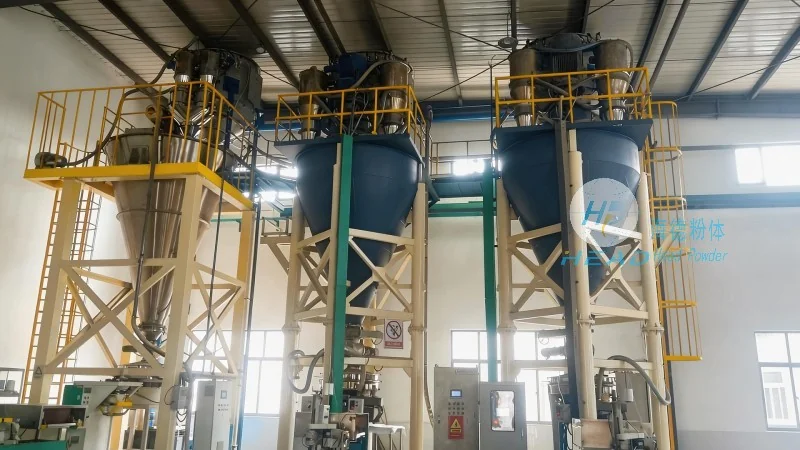
Factors Influencing System Selection
The choice between positive and negative pressure systems for manganese sulfate transport is influenced by multiple variables. Material characteristics, such as particle size distribution, moisture content, and dustiness, play a crucial role. For example, coarse or abrasive manganese sulfate particles may benefit from the robust design of positive pressure systems, while fine powders might require the controlled environment of negative pressure systems. System layout and operational constraints, including available space, distance between source and destination, and existing infrastructure, also impact the decision. Additionally, cost considerations, including initial investment, energy consumption, and maintenance requirements, must be evaluated. Positive pressure systems may have higher energy costs due to the need for high-pressure air compressors, whereas negative pressure systems might incur higher costs for vacuum pumps and filtration systems.
Conclusion and Recommendations
In conclusion, both positive and negative pressure pneumatic conveying systems offer viable solutions for manganese sulfate transport, each with distinct advantages and limitations. Positive pressure systems are generally more suitable for high-volume, long-distance applications with less stringent material integrity requirements. Negative pressure systems, conversely, are ideal for applications where material quality and environmental control are paramount. Industry professionals should conduct a thorough analysis of their specific operational needs, material properties, and system constraints to determine the most appropriate conveying mode. By doing so, they can optimize material handling efficiency, reduce operational costs, and enhance overall process safety. HeadPowder, with its expertise in custom engineering solutions, can assist in designing and implementing the most suitable pneumatic conveying system for manganese sulfate applications, ensuring optimal performance and reliability.