

Technical Analysis of Lithium Cobalt Oxide Pneumatic Conveying Systems: Comparison of Positive and N
HeadPowder, a leading provider of advanced material handling solutions, specializes in the design and implementation of pneumatic conveying systems for lithium cobalt oxide (LCO) applications. This technical analysis delves into the core differences between positive and negative pressure modes in LCO pneumatic conveying, offering insights for industries seeking efficient and reliable material transport solutions.
Introduction to Lithium Cobalt Oxide Pneumatic Conveying
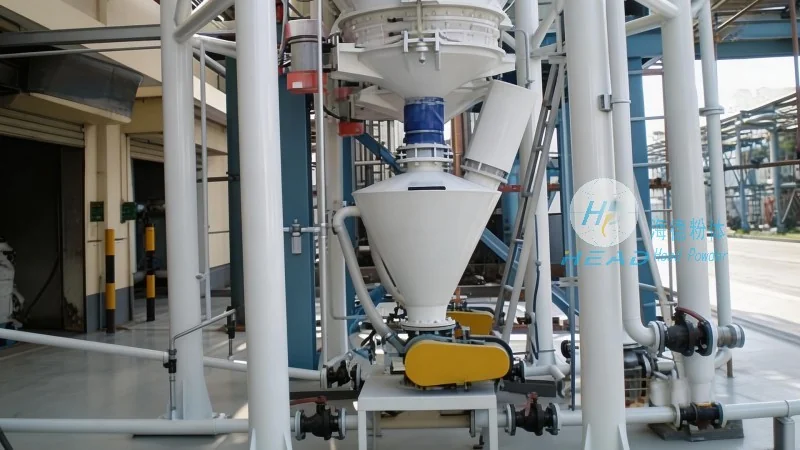
Lithium cobalt oxide (LCO) is a critical component in lithium-ion battery production, demanding precise and controlled material handling to ensure product quality and operational efficiency. Pneumatic conveying systems offer a non-contact, low-cost method for transporting LCO powders, making them a preferred choice in the battery manufacturing sector. The choice between positive and negative pressure modes significantly impacts system performance, cost, and suitability for specific LCO handling requirements.
Positive Pressure Pneumatic Conveying Systems
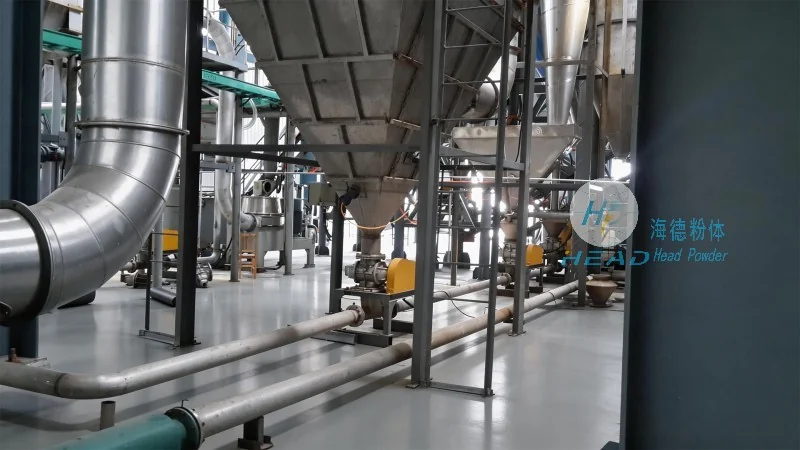
Positive pressure systems operate by blowing air or a carrier gas into the conveying line, creating a pressure higher than the ambient air pressure. This mode is particularly effective for transporting LCO powders over long distances or through complex system layouts. The high-pressure environment ensures consistent material flow and minimizes the risk of clogging or blockages in the conveying line. HeadPowder's expertise in positive pressure design allows for optimized pressure levels and flow rates tailored to LCO's specific physical properties, such as particle size and moisture content. The system typically includes a blower, a hopper, and a discharge point, with the air being recycled to maintain efficiency and reduce operational costs.
Negative Pressure Pneumatic Conveying Systems
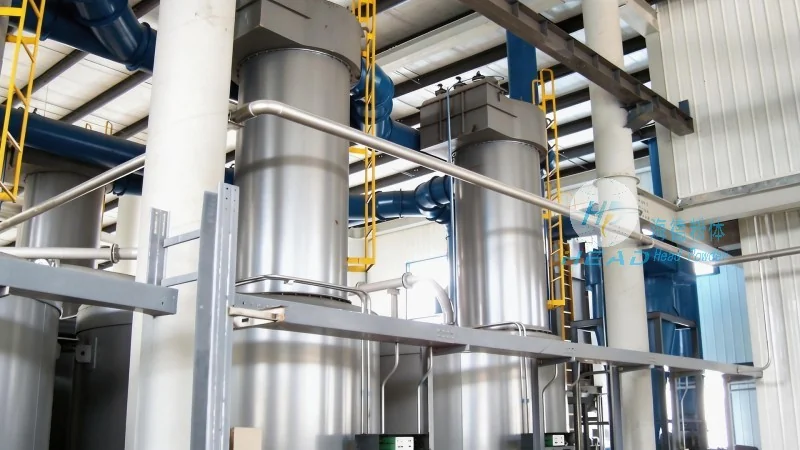
Negative pressure systems, also known as vacuum conveying, work by creating a vacuum in the conveying line, drawing LCO powders from the source into the system. This mode is ideal for applications requiring material to be transported from a lower elevation or over shorter distances, where the vacuum can effectively pull the powder. Negative pressure systems are often preferred for handling LCO powders in environments where dust control is a priority, as the sealed system prevents particulate release. However, they may face challenges with longer conveying distances or high material loads, as the vacuum pressure may not be sufficient to maintain consistent flow.
Key Differences and Performance Metrics
When comparing positive and negative pressure modes for LCO pneumatic conveying, several factors must be considered. Positive pressure systems generally offer higher conveying capacities and are more suitable for long-distance or high-volume transport, while negative pressure systems excel in dust control and are better for shorter, lower-volume applications. The choice also depends on the LCO's particle characteristics; for example, finer powders may require more careful control in negative pressure systems to avoid particle loss or clogging. HeadPowder's technical team evaluates these factors to recommend the most appropriate mode for each client's specific LCO handling needs, ensuring optimal system performance and operational reliability.
HeadPowder's Expertise in LCO Pneumatic Conveying
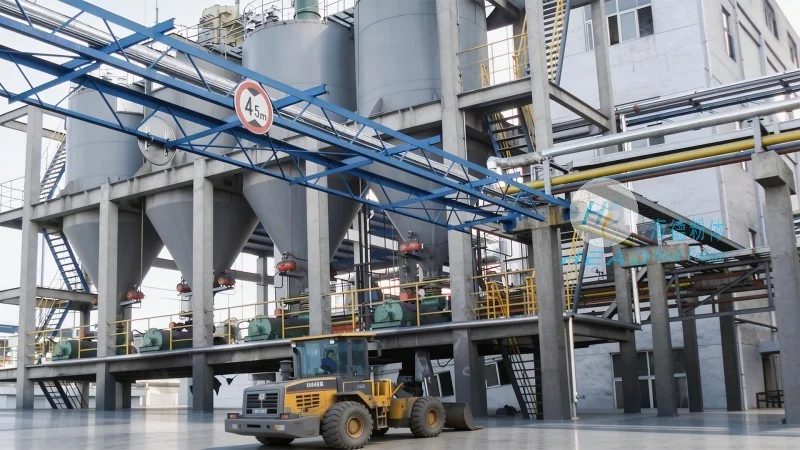
Shandong HeadPowder Engineering Co., Ltd., based in China, leverages decades of experience in material handling technology to deliver customized LCO pneumatic conveying solutions. The company's engineers conduct thorough assessments of client requirements, including LCO properties, conveying distances, and operational constraints, to design systems that meet or exceed industry standards. By integrating advanced control systems and robust materials, HeadPowder ensures that both positive and negative pressure systems are durable, efficient, and compliant with safety regulations. The company's commitment to innovation and client satisfaction has established it as a trusted partner in the battery material processing industry, providing reliable solutions for LCO transport across various production stages.