

Technical Analysis of Fine Light Sand Pneumatic Conveying Systems: Comparison of Positive Pressure a
HeadPowder, a leading engineering company based in Shandong, China, specializes in the design and implementation of advanced pneumatic conveying systems for handling fine light materials such as fine light sand. This technical analysis explores the core technologies behind these systems, with a particular focus on the comparison between positive pressure and negative pressure conveying modes. Understanding these differences is crucial for selecting the most suitable system for specific industrial applications, ensuring efficiency, reliability, and cost-effectiveness in material transport operations.
Overview of Pneumatic Conveying Systems
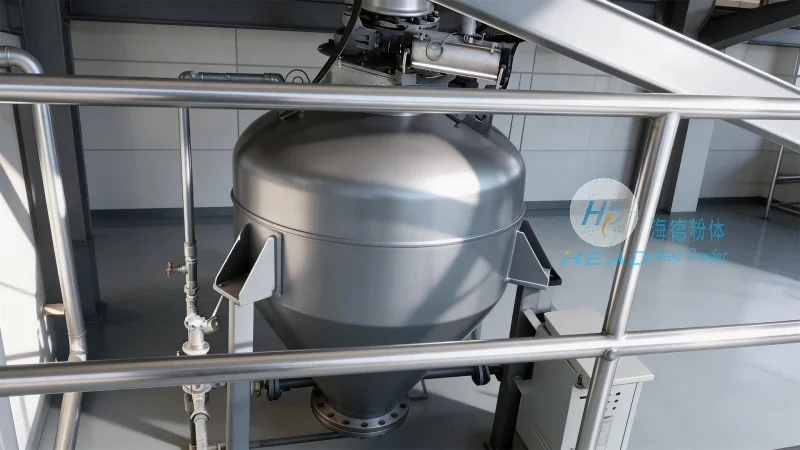
Pneumatic conveying systems are widely used in various industries to transport bulk materials through a pipeline using air or gas as the conveying medium. For fine light sand, which is characterized by low density and high dust potential, specialized systems are required to maintain performance and prevent system blockages. The two primary modes of operation are positive pressure and negative pressure systems, each with distinct advantages and applications.
Positive Pressure Conveying Mode
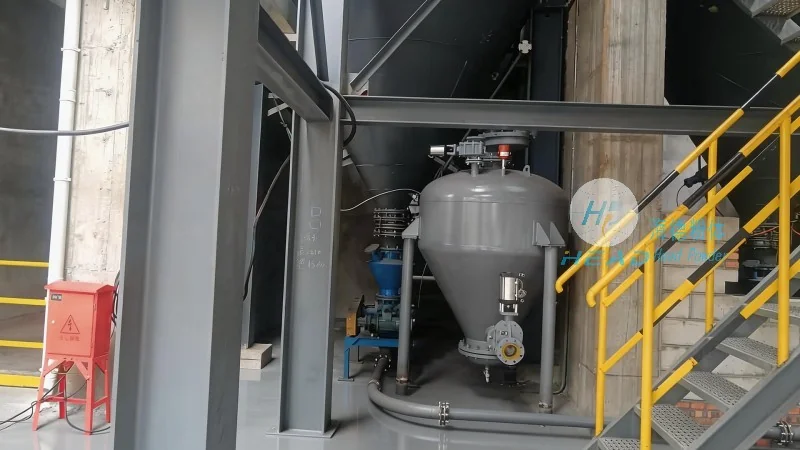
Positive pressure systems operate by generating high-pressure air at the inlet of the conveying line. The air is forced through the pipeline, carrying the material particles along with it. This mode is particularly effective for transporting fine light sand over long distances or through complex network configurations. The high pressure ensures that the material is consistently suspended and conveyed, minimizing the risk of clogging. HeadPowder's positive pressure systems are engineered with robust blower units and optimized pipeline designs to achieve efficient material transport while maintaining low energy consumption.
Negative Pressure Conveying Mode
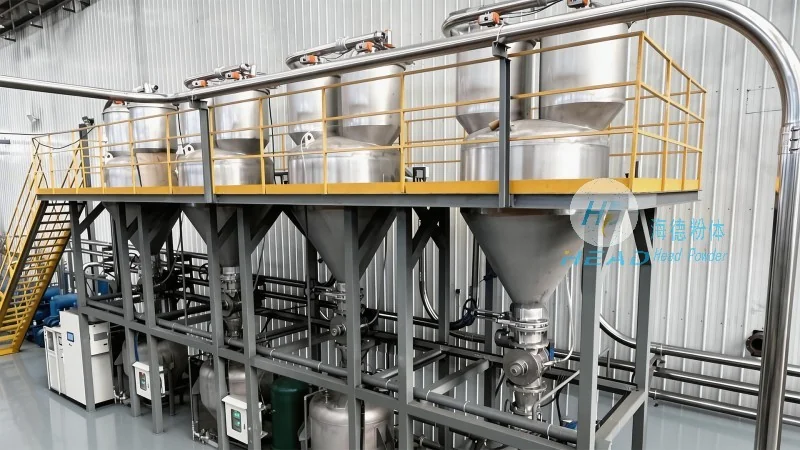
Negative pressure systems, also known as vacuum or suction systems, operate by creating a low-pressure environment at the inlet, drawing material into the pipeline. This mode is often preferred for applications where the material needs to be collected from multiple points or where the system is integrated with existing dust collection equipment. The vacuum created at the inlet pulls the fine light sand into the pipeline, where it is then transported to the discharge point. HeadPowder's negative pressure systems utilize high-efficiency vacuum pumps and specialized inlet designs to ensure consistent material suction and reliable operation.
Key Technical Considerations for Fine Light Sand Conveying
When designing pneumatic conveying systems for fine light sand, several technical factors must be carefully considered to ensure optimal performance. Particle size and density are critical parameters, as they directly impact the air velocity required for suspension. The system's pressure or vacuum levels must be precisely matched to the material's characteristics to prevent agglomeration or system blockages. Additionally, the pipeline diameter and length, along with the number of bends and fittings, influence the overall system efficiency and energy consumption. HeadPowder engineers conduct thorough material analysis and system simulations to determine the optimal design parameters for each application, ensuring that the selected system meets the specific operational requirements of the client.
Comparison of Positive and Negative Pressure Modes
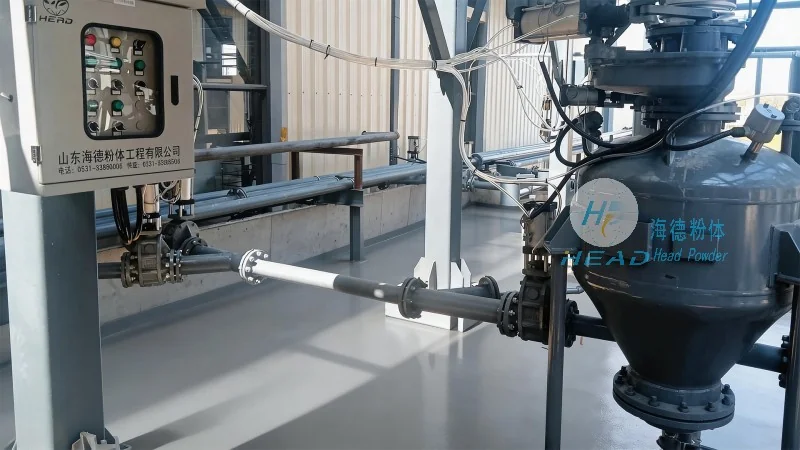
While both positive and negative pressure systems are capable of conveying fine light sand, they differ significantly in terms of operational characteristics and suitability for specific applications. Positive pressure systems generally offer higher conveying capacities and are more suitable for long-distance transport, as the high pressure maintains consistent material flow. However, they may require more robust equipment and higher energy input. Negative pressure systems, on the other hand, are often more energy-efficient for short-distance or localized transport, and are well-suited for applications where dust control and material collection are priorities. The choice between the two modes depends on factors such as the distance between the source and destination, the number of material points to be served, and the existing infrastructure and dust collection systems in place.
HeadPowder's Expertise in Pneumatic Conveying
As a leading provider of pneumatic conveying solutions, HeadPowder leverages its extensive experience and technical expertise to deliver customized systems tailored to the unique needs of each client. The company's engineering team conducts comprehensive assessments of material properties, operational requirements, and site conditions to design systems that maximize efficiency and reliability. HeadPowder's systems are equipped with advanced control technologies, allowing for real-time monitoring and adjustment of conveying parameters. This ensures that the system operates at peak performance while minimizing downtime and maintenance costs. The company's commitment to quality and innovation has made it a trusted partner for industries relying on efficient material transport solutions.