

Technical Analysis of Quartz Stone Pneumatic Conveying Systems: Comparison of Positive and Negative
Quartz stone, a widely used material in construction and industrial applications, often requires efficient and reliable material handling solutions for its transportation. Pneumatic conveying systems have emerged as a critical technology for moving quartz stone from one location to another, offering advantages such as dust-free operation and the ability to transport materials over long distances. This article provides a technical analysis of quartz stone pneumatic conveying systems, focusing on the comparison between positive and negative pressure conveying modes. The discussion is based on the expertise of Shandong HeadPowder Engineering Co., Ltd., a leading provider of material handling solutions based in China.
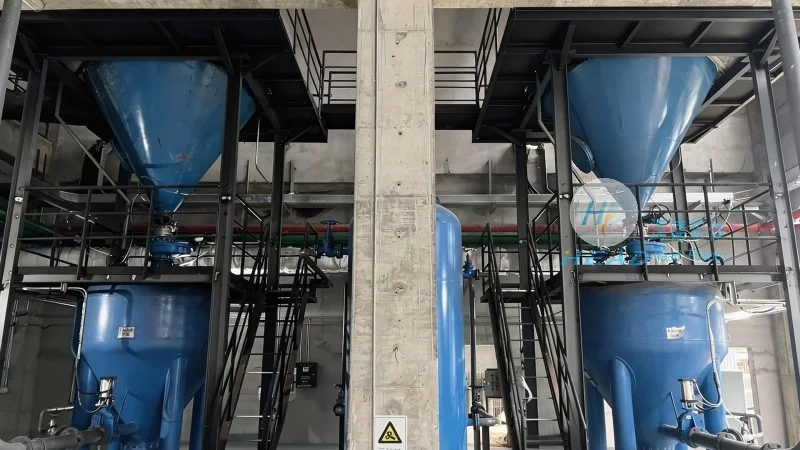
Company Introduction: Shandong HeadPowder Engineering Co., Ltd.
Shandong HeadPowder Engineering Co., Ltd. is a professional manufacturer and supplier specializing in the design, development, and installation of pneumatic conveying systems. With a strong commitment to quality and innovation, the company has established itself as a trusted partner in the material handling industry. HeadPowder operates from its headquarters in Shandong, China, and serves clients globally with customized solutions tailored to their specific needs. The company's expertise in quartz stone handling ensures that its systems are optimized for the unique properties of this material, including its abrasive nature and varying particle sizes.
Understanding Quartz Stone Pneumatic Conveying Systems
Quartz stone, composed primarily of silicon dioxide (SiO₂), is known for its hardness, durability, and chemical resistance. These properties make it a preferred choice in applications such as countertops, flooring, and industrial abrasives. However, the handling of quartz stone presents challenges due to its abrasive characteristics and the need for efficient material transport. Pneumatic conveying systems address these challenges by using air to transport the material through a pipeline network. The system typically consists of a material hopper, a conveyor line, and a receiver, with the entire process controlled by a central system.
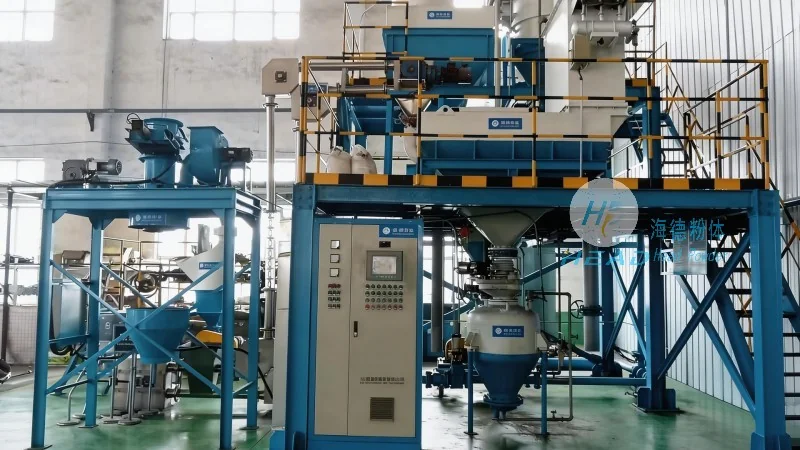
Positive Pressure Conveying Mode
Positive pressure conveying, also known as pressure pneumatic conveying, operates by pressurizing the conveying line with air or a gas mixture. The system generates a pressure higher than the ambient air pressure, forcing the material to move through the pipeline. This mode is particularly effective for transporting materials over long distances and through complex piping networks. The positive pressure system ensures that the material is continuously pushed forward, reducing the risk of clogging and ensuring consistent flow rates. For quartz stone, positive pressure conveying is often preferred when the material needs to be transported over distances exceeding 100 meters or when the system must handle high material loads. The high pressure also helps in maintaining the material's integrity, preventing degradation during transport.
Negative Pressure Conveying Mode
Negative pressure conveying, or vacuum pneumatic conveying, operates by creating a vacuum in the conveying line, which draws the material from the source into the pipeline. The system uses a vacuum pump to reduce the pressure inside the line, causing the material to be pulled along with the air flow. This mode is ideal for short to medium distance transport and for applications where the material needs to be collected from multiple sources. Negative pressure conveying is particularly useful when the material is to be moved from a hopper or a storage bin to a processing unit, as it allows for the collection of material from various points without the need for complex piping. For quartz stone, negative pressure systems are often employed in applications where the material is to be moved over distances of up to 50 meters and where the system needs to handle lower material loads. The vacuum system also helps in controlling dust emissions, as the material is drawn into the line rather than being expelled.
Comparison of Positive and Negative Pressure Conveying Modes
When selecting a pneumatic conveying system for quartz stone, it is essential to compare the advantages and disadvantages of positive and negative pressure modes. Positive pressure systems offer higher material throughput and are better suited for long-distance transport, but they require more energy and may generate higher noise levels. Negative pressure systems are more energy-efficient for short distances and are better at controlling dust, but they have lower material capacity and are more prone to clogging. The choice between the two modes depends on the specific application requirements, including the distance to be covered, the material load, and the need for dust control. For quartz stone, positive pressure systems are generally preferred for long-distance transport, while negative pressure systems are suitable for shorter distances and collection applications.
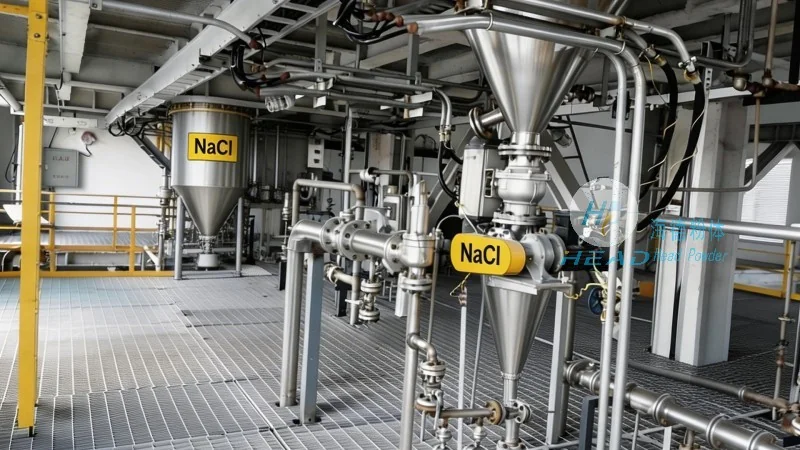
Key Considerations for Quartz Stone Pneumatic Conveying Systems
Implementing an effective quartz stone pneumatic conveying system involves several key considerations. First, the material's properties, such as particle size, density, and abrasiveness, must be carefully evaluated to determine the appropriate system design. Quartz stone particles are typically coarse and abrasive, which means that the system components, such as the hopper, conveyor line, and valves, must be made of durable materials like stainless steel or special alloys to withstand wear and tear. Second, the system's capacity and flow rate must be matched to the production requirements to ensure that the material is transported efficiently without bottlenecks. Third, the system must be designed to minimize dust emissions, as quartz stone is a fine powder when broken down and can cause respiratory issues if not properly contained. HeadPowder's expertise in quartz stone handling ensures that its systems are optimized for these considerations, providing reliable and efficient material transport solutions.
Conclusion
Pneumatic conveying systems are a critical technology for the efficient handling of quartz stone, offering advantages over traditional methods such as belt conveyors or bucket elevators. The comparison between positive and negative pressure conveying modes highlights the importance of selecting the appropriate system based on the specific application requirements. Positive pressure systems are ideal for long-distance transport and high material loads, while negative pressure systems are better suited for short distances and dust control. Shandong HeadPowder Engineering Co., Ltd. provides comprehensive solutions for quartz stone pneumatic conveying, leveraging its expertise in material handling to deliver systems that meet the unique needs of its clients. With its headquarters in Shandong, China, HeadPowder continues to be a leader in the development of advanced pneumatic conveying technologies for the quartz stone industry.