

Technical Analysis of Bauxite Pneumatic Conveying Systems: A Comparison of Positive and Negative Pre
HeadPowder, a leading engineering firm based in Shandong, China, specializes in the design and implementation of advanced pneumatic conveying systems for bauxite handling. This technical analysis delves into the core differences between positive and negative pressure conveying modes, providing insights into their operational principles, advantages, and practical applications within the bauxite industry.
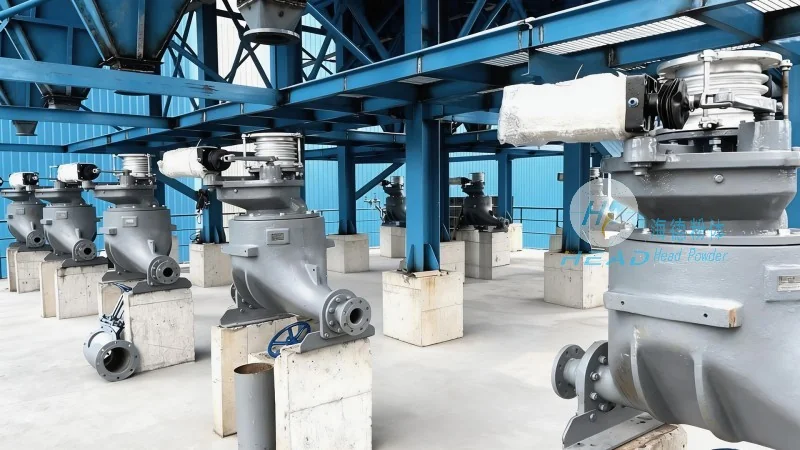
Understanding Pneumatic Conveying Systems for Bauxite
Bauxite, a primary ore used in aluminum production, requires efficient and reliable material handling solutions to ensure smooth industrial processes. Pneumatic conveying systems offer a non-contact, automated method for transporting bulk materials like bauxite, minimizing wear and tear on equipment while maintaining product integrity. The choice between positive and negative pressure systems is a critical decision for bauxite processing facilities, as each mode presents distinct operational characteristics and suitability for specific operational requirements.
Positive Pressure Conveying Mode: Advantages and Applications
Positive pressure conveying systems operate by generating air pressure within the conveying line, forcing material from the source to the destination. This mode is particularly effective for transporting bauxite over short to medium distances, where the material is typically dry and free-flowing. The primary advantage of positive pressure systems lies in their ability to handle abrasive materials without excessive wear on components, as the air flow direction is consistent and the material is continuously propelled forward.
For bauxite processing plants, positive pressure systems are often preferred for their simplicity in design and maintenance. The system typically includes a blower or fan that supplies compressed air, a hopper for material storage, and a pipeline network that directs the material to processing units. This setup minimizes the risk of material clogging and ensures consistent flow rates, which is crucial for maintaining production efficiency. Additionally, positive pressure systems are well-suited for applications where the material is to be conveyed to elevated locations or into storage silos, as the pressurized air provides the necessary force to overcome gravitational resistance.
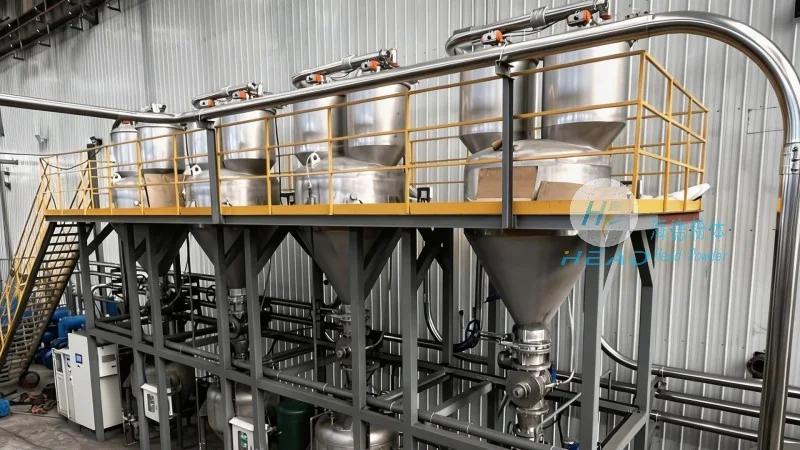
Negative Pressure Conveying Mode: Operational Principles and Benefits
Negative pressure conveying, also known as suction or vacuum conveying, operates by creating a low-pressure environment within the conveying line, drawing material from the source into the system. This mode is commonly used for bauxite handling when the material needs to be transported from a lower elevation to a higher one, or when the material is to be collected from multiple points and consolidated into a single destination. The key benefit of negative pressure systems is their ability to handle fine or dusty materials without generating excessive dust emissions, as the air flow is directed away from the material source, reducing particle dispersion.
In bauxite processing, negative pressure systems are often employed in applications where the material is to be conveyed from a hopper or storage bin to a processing unit, such as a crusher or dryer. The system typically consists of a vacuum pump, a collection hopper, and a pipeline that draws material from the source into the system. This setup allows for the efficient collection of material from various points, making it ideal for facilities with multiple bauxite storage locations. Furthermore, negative pressure systems are less prone to material blockages in the pipeline, as the air flow is directed against the material, preventing the buildup of debris that could impede flow.
Comparative Analysis: Key Differences and Decision Factors
When evaluating the suitability of positive versus negative pressure conveying systems for bauxite handling, several factors must be considered. The distance and elevation changes between the source and destination are primary determinants, as positive pressure systems excel at short to medium horizontal or vertical lifts, while negative pressure systems are better suited for longer vertical or multi-level transport. Material characteristics, such as moisture content, particle size, and abrasiveness, also influence the choice, as positive pressure systems are more effective for dry, free-flowing materials, whereas negative pressure systems can handle finer or more cohesive materials without excessive wear.
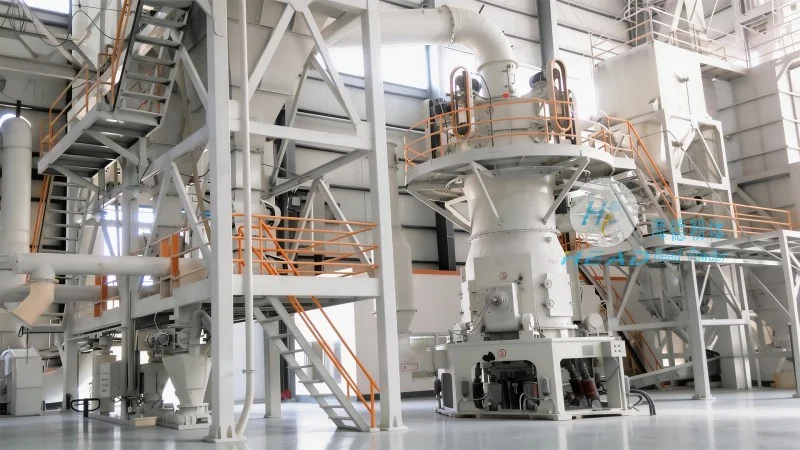
Operational efficiency and maintenance costs are additional considerations. Positive pressure systems generally require less maintenance due to the absence of vacuum-related components, but they may consume more energy due to the need to generate compressed air. Conversely, negative pressure systems are more energy-efficient for long-distance transport but may require more frequent cleaning of filters and pipelines to prevent dust accumulation. The overall cost of implementation and long-term operational expenses must be weighed against the specific operational requirements of the bauxite processing facility.
HeadPowder's Expertise in Bauxite Pneumatic Conveying Solutions
Shandong HeadPowder Engineering Co., Ltd., based in Shandong, China, leverages its extensive experience in designing and installing pneumatic conveying systems tailored to the unique needs of bauxite processing facilities. The company’s technical team conducts thorough assessments of material properties, operational constraints, and site conditions to recommend the most appropriate conveying mode—whether positive or negative pressure—for each project. By integrating advanced engineering principles with practical industry knowledge, HeadPowder ensures that its solutions deliver optimal performance, reliability, and cost-effectiveness.
HeadPowder’s commitment to quality and innovation is reflected in its use of high-performance components, such as durable blower systems and robust pipeline materials, designed to withstand the abrasive nature of bauxite. The company also provides comprehensive after-sales support, including maintenance services and technical assistance, to ensure that its conveying systems operate at peak efficiency throughout their service life. For bauxite processing facilities seeking reliable and efficient material handling solutions, HeadPowder offers a trusted partner in the design and implementation of advanced pneumatic conveying systems.