

Technical Analysis of Lithium-Ion Battery Pneumatic Conveying Systems: Comparison of Positive Pressu
Shandong HeadPowder Engineering Co., Ltd., commonly known as HeadPowder, is a professional manufacturer specializing in the design, development, and production of advanced pneumatic conveying systems. With a strong focus on technological innovation and customer-centric solutions, HeadPowder serves a wide range of industries, including battery manufacturing, pharmaceuticals, food processing, and more. The company is headquartered in Shandong, China, where it leverages local resources and expertise to deliver high-quality equipment tailored to specific industrial needs.
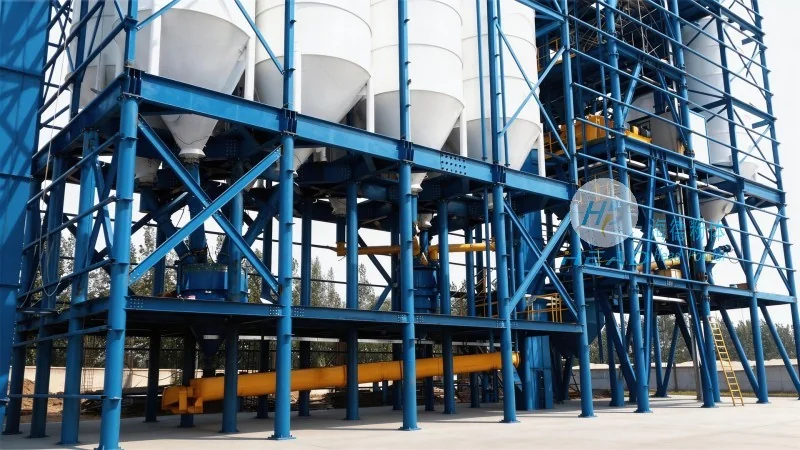
Introduction to Lithium-Ion Battery Pneumatic Conveying Systems
Lithium-ion batteries are the backbone of modern energy storage and portable power solutions, powering everything from electric vehicles to consumer electronics. The manufacturing process of these batteries involves handling fine powders and granules, such as lithium carbonate, nickel hydroxide, and other raw materials. Efficient and reliable material transport is critical to ensure consistent product quality and operational efficiency. Pneumatic conveying systems have emerged as a preferred method for transporting these materials due to their ability to handle fine powders without contamination and with minimal product degradation. This article provides a technical analysis of lithium-ion battery pneumatic conveying systems, focusing on the comparison between positive pressure and negative pressure conveying modes.
Positive Pressure Conveying Mode: Advantages and Applications
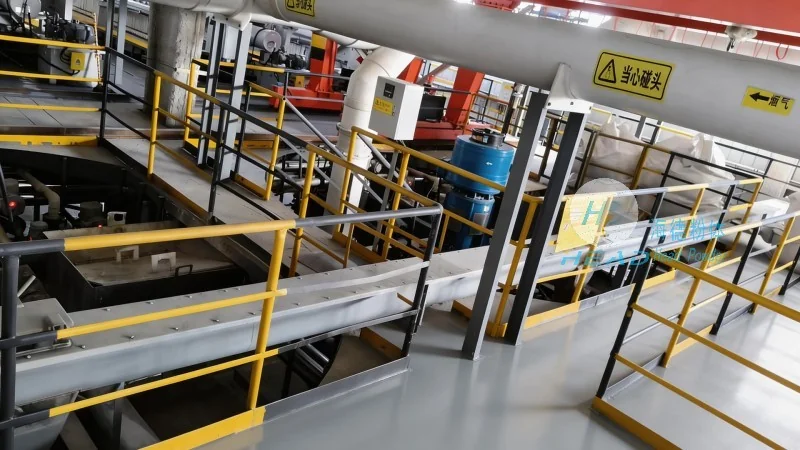
Positive pressure conveying, also known as pressure pneumatic conveying, operates by blowing air or gas into the conveying line to move material from the source to the destination. This mode is widely used in industries requiring high material flow rates and long-distance transport. In the context of lithium-ion battery manufacturing, positive pressure systems are particularly effective for transporting bulk powders and granules over significant distances. The primary advantages of positive pressure conveying include high conveying capacity, ability to handle abrasive materials, and reduced risk of product contamination. Additionally, these systems can be designed with multiple inlets and outlets, allowing for complex material routing within the production facility. HeadPowder's positive pressure conveying systems are engineered to meet the stringent requirements of battery manufacturing, ensuring stable and efficient material transport while maintaining product integrity.
Negative Pressure Conveying Mode: Benefits and Limitations
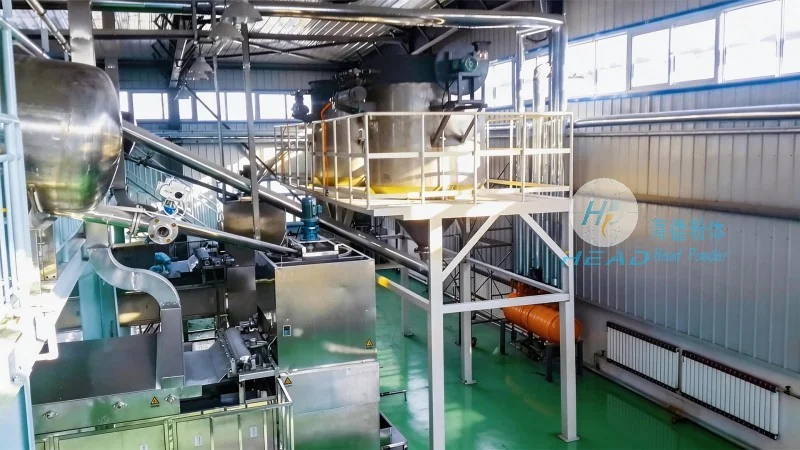
Negative pressure conveying, or vacuum pneumatic conveying, works by creating a vacuum in the conveying line to draw material from the source. This mode is often preferred for applications requiring low material flow rates, short transport distances, or when the material is sensitive to pressure changes. In lithium-ion battery production, negative pressure systems are suitable for transporting fine powders that are prone to dust generation or require gentle handling. The benefits of negative pressure conveying include lower energy consumption compared to positive pressure systems, as it relies on the vacuum created by the material itself. However, these systems have limitations, such as lower conveying capacity and potential for product degradation if the vacuum is not properly controlled. HeadPowder's negative pressure conveying solutions are designed to address these challenges, offering efficient and reliable transport for sensitive materials while minimizing operational costs.
Comparison of Positive Pressure vs. Negative Pressure Conveying Modes
When selecting a pneumatic conveying system for lithium-ion battery manufacturing, the choice between positive and negative pressure modes depends on several factors, including material characteristics, transport distance, and operational requirements. Positive pressure systems excel in high-volume, long-distance transport, making them ideal for large-scale battery production lines. They are also more suitable for abrasive materials that may cause wear on system components. On the other hand, negative pressure systems are better suited for short-distance transport of fine, sensitive powders, where energy efficiency and gentle handling are priorities. The key differences between the two modes are summarized in the table below, highlighting their respective advantages and limitations.
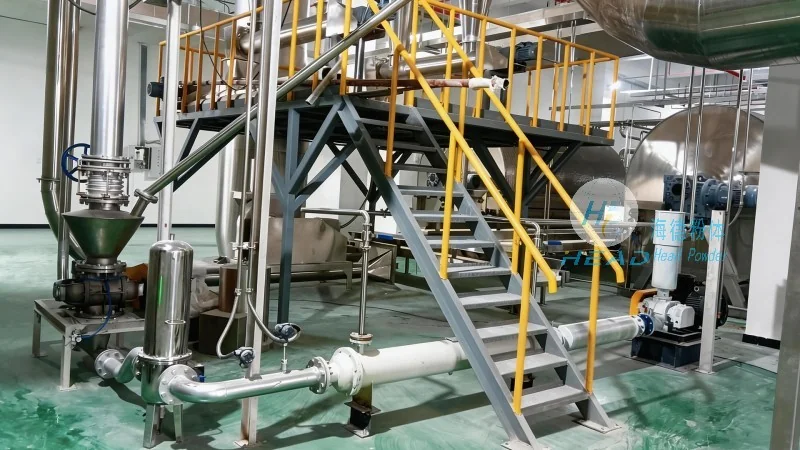
Table: Comparison of Positive Pressure vs. Negative Pressure Conveying Modes
Category | Positive Pressure | Negative Pressure
Conveying Principle | Air/gas is blown into the line to push material | Vacuum is created to draw material
Typical Flow Rate | High (e.g., 10-100 tons/hour) | Low (e.g., 0.5-10 tons/hour)
Transport Distance | Long (up to several hundred meters) | Short (up to 50 meters)
Energy Consumption | Higher (due to air compression) | Lower (due to vacuum generation)
Material Suitability | Abrasive, coarse powders | Fine, sensitive powders
System Complexity | Higher (requires air compressors) | Lower (simpler vacuum system)
HeadPowder's expertise lies in designing customized pneumatic conveying systems that align with the specific needs of lithium-ion battery manufacturers. By evaluating factors such as material properties, production scale, and operational constraints, the company can recommend the most appropriate conveying mode to optimize efficiency and cost-effectiveness.
Conclusion: Choosing the Right Conveying Mode for Lithium-Ion Battery Production
The selection of a pneumatic conveying system for lithium-ion battery manufacturing is a critical decision that impacts overall production efficiency and product quality. Both positive pressure and negative pressure modes offer unique advantages and are suitable for different applications. Positive pressure systems are ideal for high-volume, long-distance transport of abrasive materials, while negative pressure systems are better suited for short-distance transport of fine, sensitive powders. HeadPowder, with its extensive experience in the field, provides comprehensive solutions that address the specific challenges of lithium-ion battery production. By leveraging advanced technology and tailored design, HeadPowder ensures that its pneumatic conveying systems meet the highest standards of performance, reliability, and durability. For lithium-ion battery manufacturers seeking to enhance their material transport processes, HeadPowder offers a reliable partner in optimizing production efficiency and maintaining product integrity.