

Advantages and Disadvantages of Negative Pressure and Positive Pressure Conveying in Polycarbonate P
Polycarbonate is a widely used engineering plastic known for its excellent impact resistance, light weight, and high transparency. In industrial applications, pneumatic conveying is a common method for transporting polycarbonate powders or granules. This process involves using air to move materials through a pipeline system. Two primary methods are widely used: negative pressure conveying and positive pressure conveying. Each has its own set of advantages and disadvantages, which are crucial for selecting the appropriate system based on specific operational requirements.
Introduction to Pneumatic Conveying Systems
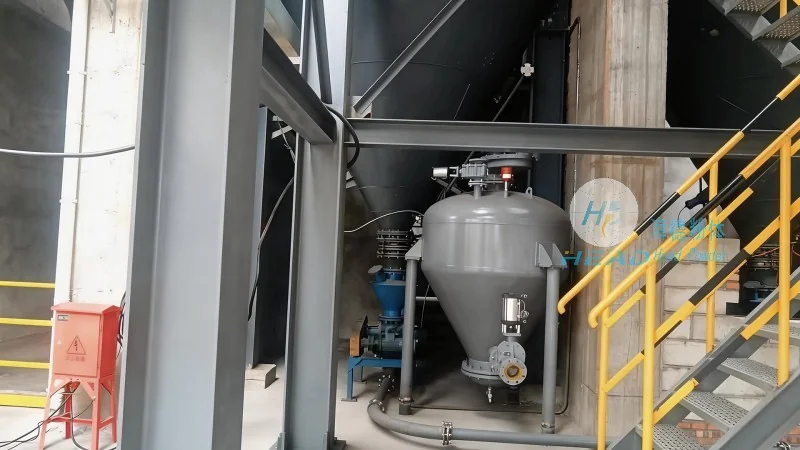
Pneumatic conveying systems are essential for efficient material handling in various industries, including plastics manufacturing. These systems use air as the conveying medium to transport bulk materials like polycarbonate. The choice between negative pressure and positive pressure systems depends on factors such as material characteristics, system layout, and operational goals. Understanding the differences between these two approaches is vital for optimizing the conveying process and ensuring product quality.
Company Profile: Shandong HeadPowder Engineering Co., Ltd.
Shandong HeadPowder Engineering Co., Ltd., a leading provider of material handling solutions, specializes in designing and manufacturing pneumatic conveying systems tailored to the needs of the plastics industry. With a focus on innovation and quality, HeadPowder offers comprehensive services from system design to installation and maintenance. The company's expertise in polycarbonate handling ensures that clients receive reliable and efficient solutions for their material transport needs. Located in Shandong, China, HeadPowder leverages local resources and advanced technology to deliver high-performance conveying systems that meet international standards.
Advantages and Disadvantages of Negative Pressure Conveying
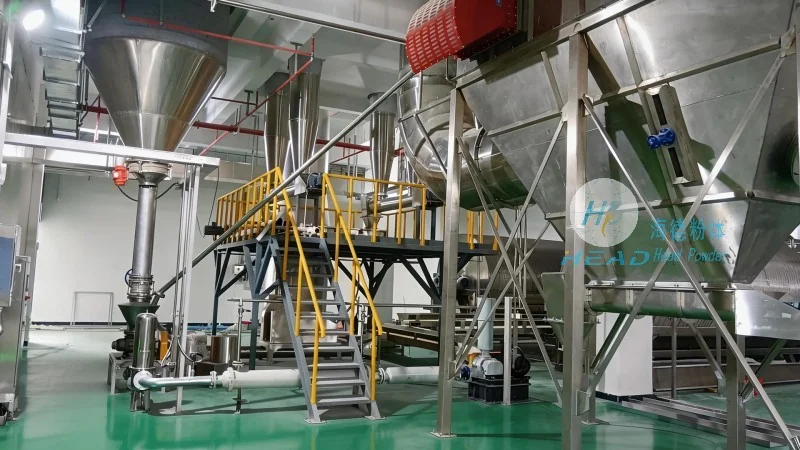
Negative pressure conveying, also known as suction conveying, operates by creating a vacuum in the conveying line to draw material from the source to the destination. This method is particularly suitable for applications where the material is to be transported from a higher elevation to a lower one, or when the material is sensitive to pressure changes. One of the key advantages of negative pressure systems is their ability to handle materials that are prone to dust generation or that require a clean environment, as the system draws material rather than expelling it. This reduces the risk of product contamination and makes it ideal for applications involving food-grade or pharmaceutical materials. Additionally, negative pressure conveying can handle materials with a wide range of particle sizes and flow characteristics, making it versatile for various polycarbonate products.
However, negative pressure systems also have several drawbacks. The primary limitation is their lower conveying capacity compared to positive pressure systems. The vacuum created in the line restricts the amount of material that can be transported at any given time, which may not be sufficient for high-volume production lines. Another disadvantage is the higher energy consumption associated with maintaining the vacuum, as the system requires powerful suction fans to operate effectively. Furthermore, negative pressure conveying is more susceptible to blockages in the pipeline, as the material is drawn into the system rather than being pushed through. This can lead to operational interruptions and increased maintenance costs.
Advantages and Disadvantages of Positive Pressure Conveying
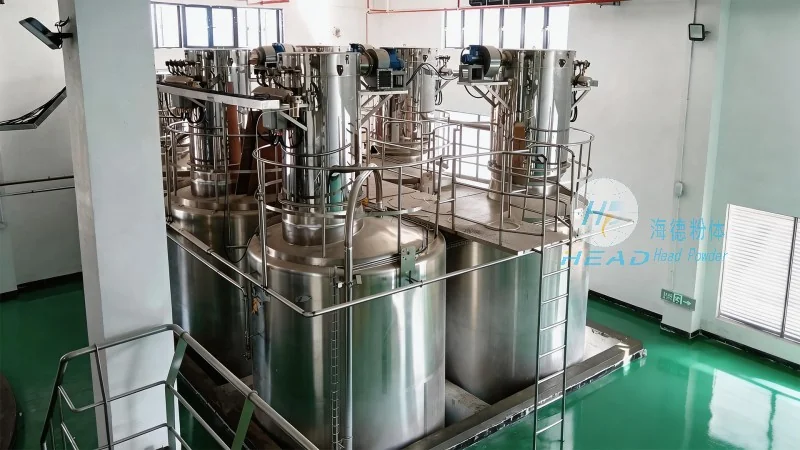
Positive pressure conveying, or pressure conveying, works by blowing air or a mixture of air and material through the conveying line using a blower or compressor. This method is typically used when the material needs to be transported from a lower elevation to a higher one, or when the material is less sensitive to pressure changes. One of the main advantages of positive pressure systems is their higher conveying capacity, which makes them suitable for high-volume production environments. The pressure applied to the material allows for efficient transport over longer distances and at higher speeds, reducing the overall conveying time. Additionally, positive pressure conveying is generally more energy-efficient than negative pressure systems, as the blower operates at lower pressures and can handle larger volumes of material.
Despite these benefits, positive pressure conveying has its own set of disadvantages. The primary drawback is the potential for product contamination, as the system expels material and air from the line, which can lead to dust accumulation and environmental issues. This makes it less suitable for handling materials that require a sterile or clean environment, such as food or pharmaceutical products. Another disadvantage is the higher risk of material degradation due to the higher pressure and temperature generated during the conveying process. Polycarbonate, being a thermoplastic, may experience some degree of heat exposure, which could affect its properties if not properly controlled. Furthermore, positive pressure systems are more prone to blockages caused by agglomerates or moisture in the material, requiring more frequent cleaning and maintenance.
Key Factors to Consider When Choosing a Conveying System
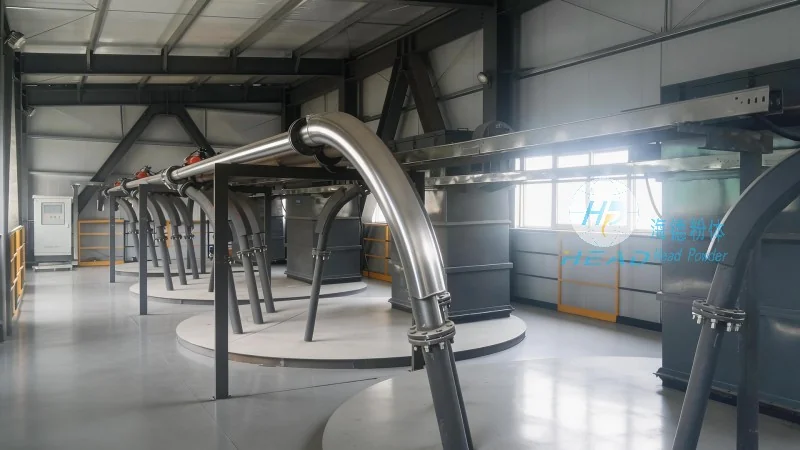
When selecting between negative pressure and positive pressure conveying for polycarbonate, several factors must be considered to ensure optimal performance and cost-effectiveness. The first factor is the material characteristics, including particle size, moisture content, and flowability. Polycarbonate powders or granules with fine particles may be better suited for negative pressure systems due to their lower tendency to create blockages. Conversely, larger or more cohesive particles may benefit from the higher pressure and force of positive pressure systems. The second factor is the system layout and elevation changes. If the material needs to be transported from a lower to a higher level, positive pressure is preferred. Conversely, for transport from higher to lower levels, negative pressure is more appropriate. The third factor is the required conveying capacity and speed. High-volume applications often favor positive pressure systems, while lower volume or sensitive materials may require negative pressure to maintain product integrity.
Conclusion
In conclusion, both negative pressure and positive pressure conveying systems have their unique advantages and disadvantages when used for polycarbonate pneumatic conveying. Negative pressure systems excel in handling sensitive materials and maintaining a clean environment but are limited by lower capacity and higher energy consumption. Positive pressure systems offer higher capacity and efficiency but may pose challenges related to contamination and material degradation. The choice between the two depends on the specific operational requirements, material properties, and system constraints. By carefully evaluating these factors, industries can select the most suitable conveying method to ensure efficient and reliable transport of polycarbonate materials. Shandong HeadPowder Engineering Co., Ltd. provides expert guidance and customized solutions to help clients choose the optimal pneumatic conveying system for their polycarbonate handling needs.