

Advantages and Disadvantages of Negative Pressure and Positive Pressure Pneumatic Conveying for Ceme
Cement clinker is a critical component in the production of cement, and its efficient transportation is essential for maintaining the smooth operation of cement plants. Pneumatic conveying is a widely used method for transporting bulk materials like cement clinker, with two primary approaches: negative pressure (suction) and positive pressure (blowing) systems. This article provides a detailed comparison of the advantages and disadvantages of negative pressure and positive pressure pneumatic conveying for cement clinker, helping industry professionals make informed decisions when selecting the most suitable conveying system.
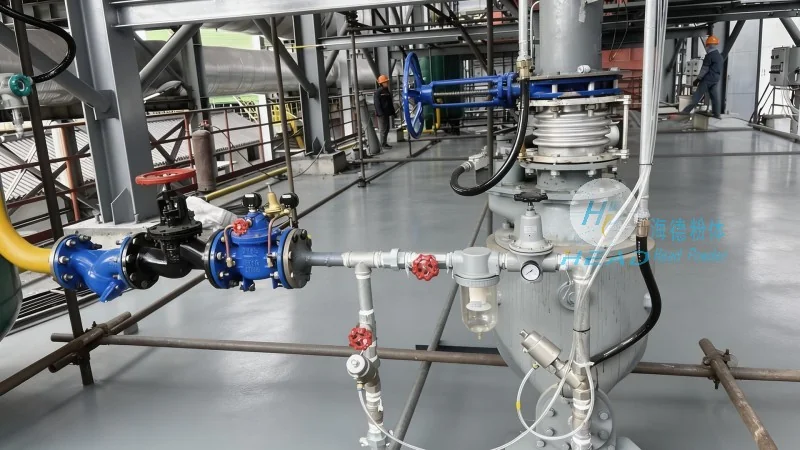
Introduction to Pneumatic Conveying Systems
Pneumatic conveying systems use air to transport bulk materials through a pipeline. The two main types are negative pressure (or suction) systems and positive pressure (or blowing) systems. Negative pressure systems draw material into the pipeline using a vacuum, while positive pressure systems push material through the pipeline using compressed air. Both methods have their own set of advantages and disadvantages, which are crucial for selecting the right system based on specific operational requirements and material characteristics.
Shandong HeadPowder Engineering Co., Ltd. Overview
Shandong HeadPowder Engineering Co., Ltd., located in Shandong, China, is a leading provider of engineering solutions for bulk material handling, including pneumatic conveying systems. With years of experience in the cement industry, HeadPowder specializes in designing and manufacturing customized conveying solutions that meet the unique needs of cement plants. The company's expertise in material flow analysis and system optimization ensures that clients receive efficient and reliable solutions for their cement clinker transportation needs.
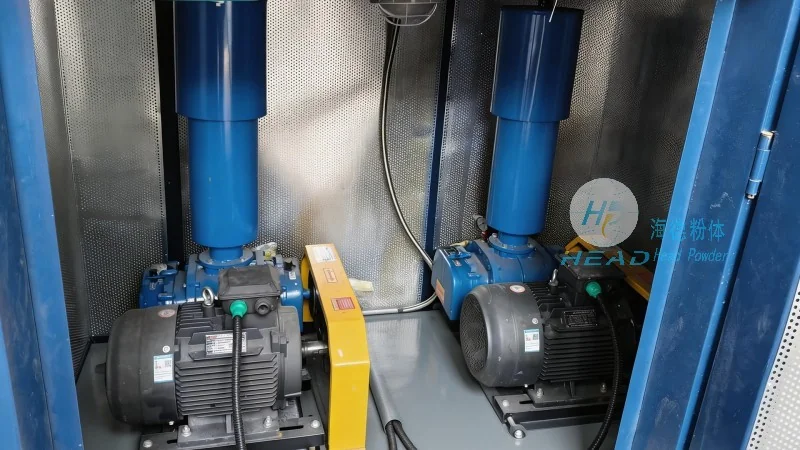
Advantages and Disadvantages of Negative Pressure Pneumatic Conveying for Cement Clinker
Negative pressure pneumatic conveying systems operate by creating a vacuum at the receiving end of the pipeline, which draws the cement clinker into the system. This method is often preferred for applications where the material needs to be transported over long distances or through multiple bends. One of the key advantages of negative pressure systems is their ability to handle a wide range of material sizes and moisture content without causing excessive wear on the system components. Additionally, negative pressure systems are generally more energy-efficient as they require less power to operate compared to positive pressure systems.
However, negative pressure systems also have several disadvantages. The primary drawback is the risk of dust leakage and air pollution, as the system operates under a vacuum, which can lead to uncontrolled emissions if not properly sealed. Another disadvantage is the higher maintenance requirements, as the vacuum pumps and filters need regular cleaning and replacement to maintain optimal performance. Furthermore, negative pressure systems are more susceptible to blockages, especially when dealing with materials that have high moisture content or are prone to agglomeration.
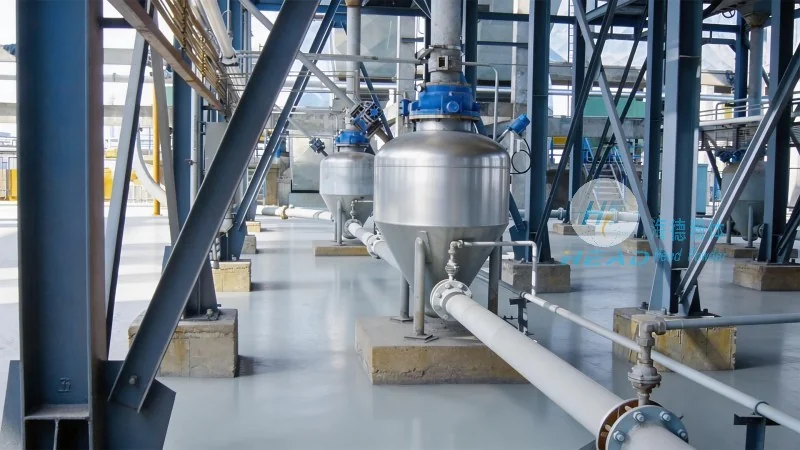
Advantages and Disadvantages of Positive Pressure Pneumatic Conveying for Cement Clinker
Positive pressure pneumatic conveying systems use compressed air to push the cement clinker through the pipeline. This method is commonly used for short to medium distance transportation and for materials that are less abrasive or have lower moisture content. One of the main advantages of positive pressure systems is their ability to handle high material flow rates, making them suitable for large-scale cement production facilities. Additionally, positive pressure systems are generally more reliable and less prone to blockages compared to negative pressure systems, as the compressed air helps to keep the material moving smoothly through the pipeline.
Nevertheless, positive pressure systems also have their own set of disadvantages. The most significant drawback is the higher energy consumption, as they require a constant supply of compressed air, which can increase operational costs. Another disadvantage is the potential for material degradation, as the high-pressure air can cause the cement clinker to break down or lose its quality over time. Furthermore, positive pressure systems are more complex to install and maintain, as they require additional components such as air compressors and pressure regulators.
Comparative Analysis: Negative vs. Positive Pressure Pneumatic Conveying
When comparing negative and positive pressure pneumatic conveying systems for cement clinker, several factors need to be considered. The choice between the two systems depends on the specific operational requirements, material characteristics, and cost considerations. For example, negative pressure systems are often preferred for long-distance transportation or when dealing with materials that have high moisture content or are prone to dust generation. In contrast, positive pressure systems are more suitable for short-distance transportation or when the material is less abrasive and has lower moisture content.
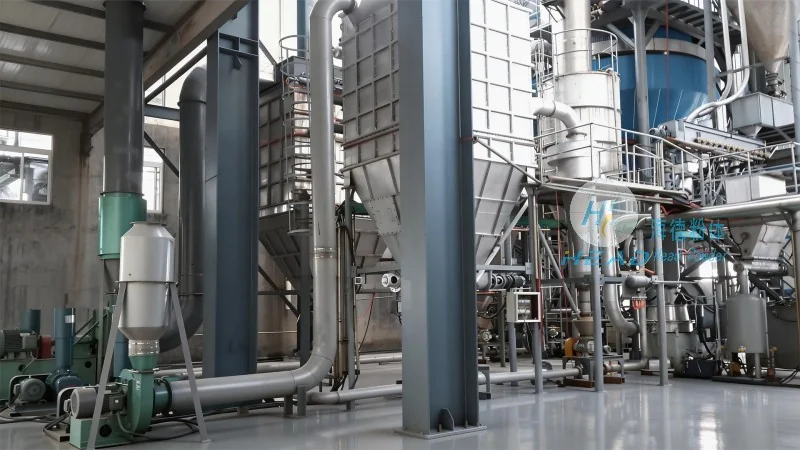
From an energy efficiency perspective, negative pressure systems are generally more energy-efficient, making them a cost-effective option for long-term operation. However, positive pressure systems offer higher material flow rates and are more reliable in terms of preventing blockages. The choice ultimately depends on the balance between energy consumption, material handling efficiency, and maintenance costs.
Conclusion
In conclusion, both negative pressure and positive pressure pneumatic conveying systems have their own advantages and disadvantages when used for cement clinker transportation. Negative pressure systems are more energy-efficient and suitable for long-distance or dusty applications, while positive pressure systems offer higher flow rates and better reliability for short-distance or less abrasive materials. Shandong HeadPowder Engineering Co., Ltd. provides customized pneumatic conveying solutions tailored to the specific needs of cement plants, ensuring that clients can select the most suitable system based on their operational requirements and budget constraints.