

Comparison of Advantages and Disadvantages of Negative Pressure and Positive Pressure Conveying in T
In the textile fiber processing sector, pneumatic conveying systems are critical for efficiently and safely transporting various fiber materials. Pneumatic conveying technology utilizes air flow to move solid particles, and it can be categorized based on pressure conditions into negative pressure (suction) and positive pressure (pressure) systems. This article will compare the advantages and disadvantages of these two conveying methods in textile fiber applications to assist industry users in selecting the appropriate system.
Understanding Negative Pressure (Suction) Conveying
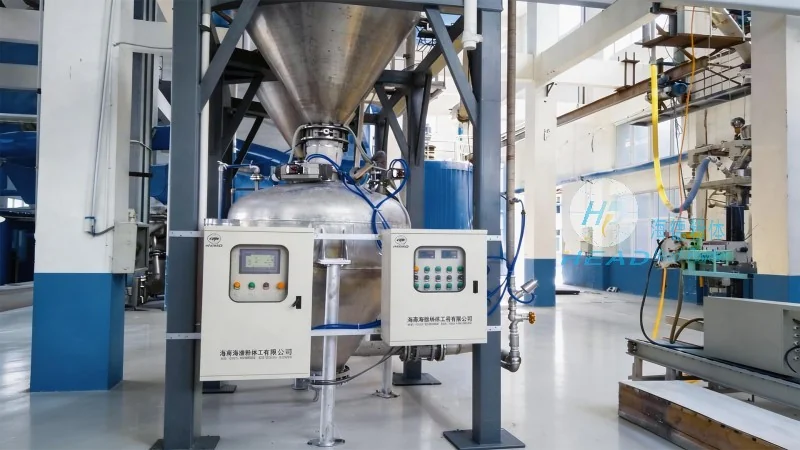
Negative pressure conveying, also known as suction conveying, operates by creating a partial vacuum at the system's inlet. This vacuum draws material from the source into the pipeline. The process typically involves a venturi or a rotary valve at the inlet to generate the suction effect. In textile fiber applications, this method is often used for handling fine or dusty fibers, as it can effectively collect material from multiple points and transport it to a central collection point. The advantages of negative pressure conveying include its ability to handle fine particles without causing excessive wear on system components, as the material is drawn in rather than forced through the pipeline. This reduces the risk of blockages and wear on the conveying line. Additionally, negative pressure systems can operate at lower air velocities, which is beneficial for delicate fibers that might be damaged by high-speed air flow. However, notable disadvantages exist. The main drawback is the limited conveying distance and capacity compared to positive pressure systems; the suction effect diminishes with distance, making long-distance or large-volume transport difficult. Another issue is the need for a high-quality air filter and dust collection system, as the suction process can draw in ambient air and fine particles, requiring additional filtration to meet environmental and safety standards. The system also tends to be more complex, with components like vacuum pumps or fan systems that need regular maintenance.
Understanding Positive Pressure (Pressure) Conveying
Positive pressure conveying, or pressure conveying, works by pressurizing the material with air and forcing it through the pipeline. This method uses a positive displacement blower or a rotary lobe pump to generate the necessary pressure. In textile fiber applications, this approach is suitable for handling bulkier or more abrasive fibers, as the high pressure can maintain material flow without clogging. The advantages of positive pressure systems include their ability to transport materials over longer distances and at higher capacities. The pressurized air ensures consistent flow, reducing the risk of blockages and enabling the system to handle larger volumes of material. Additionally, positive pressure conveying is generally more energy-efficient for long-distance transport, as the pressure can be maintained throughout the pipeline without significant loss. The system is also simpler in terms of filtration, as it does not draw in ambient air, reducing the need for extensive dust collection equipment. However, significant disadvantages exist. The high pressure and air velocity can cause wear on the pipeline and components, especially with abrasive fibers, leading to higher maintenance costs and potential system downtime. The system also requires more robust components, such as high-pressure blowers and durable pipeline materials, which increase the initial investment. Furthermore, positive pressure conveying can generate more noise and vibration due to the high air flow, which may require additional noise control measures in industrial settings.
Comparison of Advantages and Disadvantages
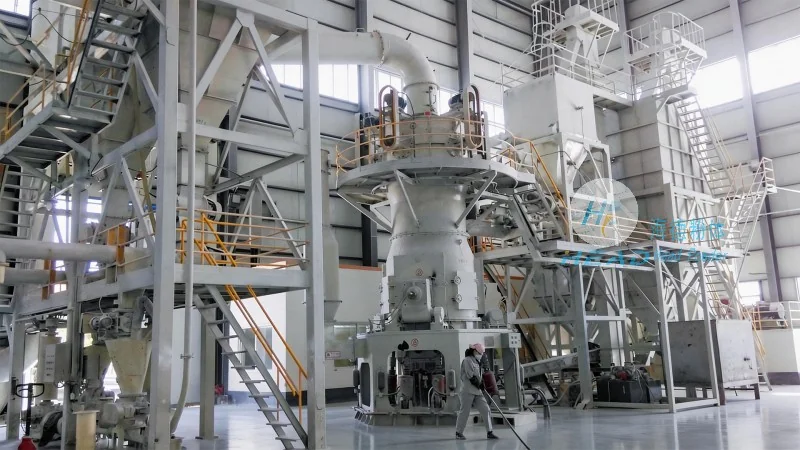
When comparing negative and positive pressure conveying for textile fiber applications, several factors need to be considered. The choice between the two depends on the specific characteristics of the fiber, the distance to be traveled, and the required capacity. For fine, delicate fibers that need to be handled gently, negative pressure conveying is often preferred due to its lower air velocity and reduced wear. However, for bulkier or abrasive fibers that need to be transported over long distances, positive pressure conveying may be more suitable due to its higher capacity and efficiency. In terms of cost, negative pressure systems may have lower initial costs but higher maintenance due to the need for vacuum pumps and filtration. Positive pressure systems have higher initial costs due to the need for high-pressure components but lower maintenance for filtration. Environmental considerations also play a role; negative pressure systems require more extensive dust collection to prevent air pollution, while positive pressure systems generate less dust but may produce more noise.
Application Examples and Practical Considerations
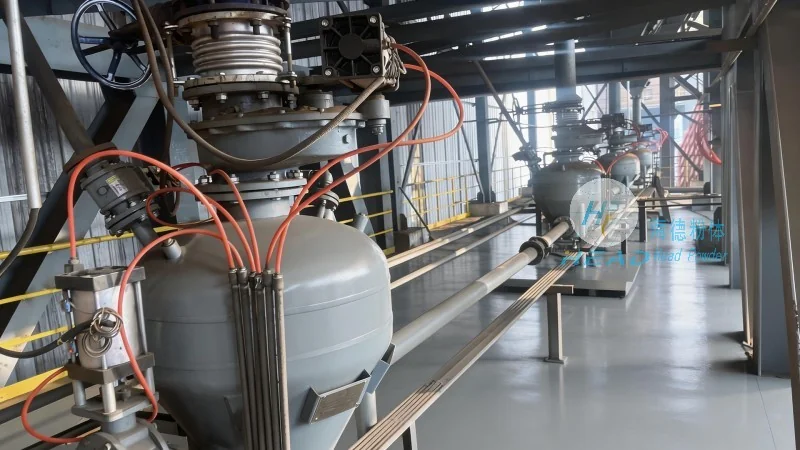
Practical applications of negative pressure conveying in textile fiber processing include the collection of fibers from multiple feeding points, such as from a bale opener or a cutting machine, and transporting them to a central storage or processing unit. This is particularly useful in facilities where the material is spread out and needs to be gathered efficiently. Positive pressure conveying is commonly used in scenarios where the material needs to be transported from a central storage to a processing machine, such as a carding or spinning unit, over longer distances. For example, in a textile mill, positive pressure systems might be used to transport cotton or polyester fibers from a storage silo to a carding machine located several hundred meters away. The choice of system also depends on the fiber type; for example, synthetic fibers with higher abrasiveness might benefit from the higher pressure and capacity of positive pressure systems, while natural fibers like cotton, which are more delicate, might be better suited to negative pressure systems.
Conclusion and Recommendations
Both negative pressure and positive pressure conveying systems have their place in the textile fiber industry, each with distinct advantages and disadvantages. The optimal choice depends on the specific requirements of the application, including the type of fiber, conveying distance, and capacity needs. For delicate fibers and short-distance transport, negative pressure conveying offers gentler handling and lower wear. For bulkier fibers and long-distance transport, positive pressure conveying provides higher efficiency and capacity. When selecting a system, it is essential to consider not only the technical aspects but also the long-term operational costs, maintenance requirements, and environmental impact. Companies like Shandong HeadPowder Engineering Co., Ltd., based in China, specialize in designing and manufacturing customized pneumatic conveying systems tailored to the specific needs of textile manufacturers. Their expertise in both negative and positive pressure technologies allows them to provide comprehensive solutions that enhance efficiency and reduce operational costs in textile processing facilities.