

Advantages and Disadvantages of Negative Pressure and Positive Pressure Conveying for Activated Carb
For the efficient handling of activated carbon granules, the choice between negative pressure and positive pressure pneumatic conveying systems is critical. This article provides a detailed comparison of the advantages and disadvantages of each method, helping industry professionals make informed decisions based on operational requirements and material characteristics.
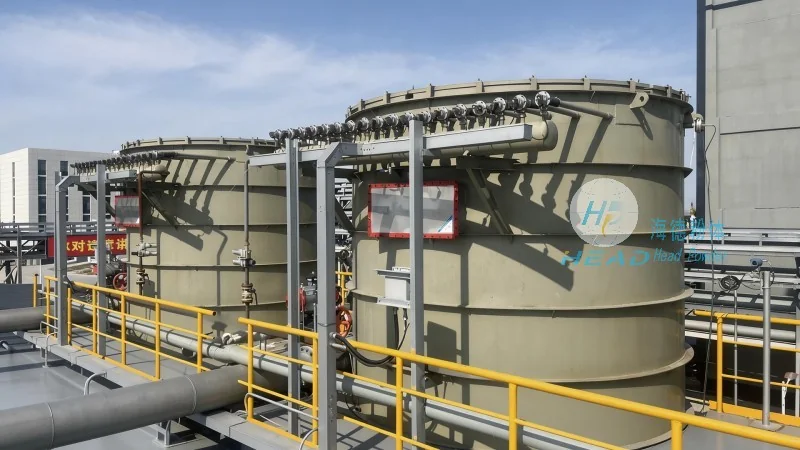
Negative Pressure Conveying: Advantages and Limitations
Negative pressure conveying, or suction conveying, is a method where the material is drawn into the system by creating a low-pressure zone at the inlet. This approach is particularly advantageous for handling activated carbon granules due to its ability to minimize dust emissions and maintain a clean working environment. The system typically consists of a suction nozzle, a pipeline network, a filter or separator to collect the material, and a vacuum pump or fan to generate the suction force. One of the key advantages is the relatively low initial investment and operational costs. The equipment is generally less complex than its positive pressure counterpart, with fewer moving parts and a simpler control system. This simplicity translates to lower maintenance requirements and reduced downtime, making it an attractive option for smaller-scale operations or those with budget constraints.
Another significant benefit is the preservation of the activated carbon's physical properties. The low pressure and gentle handling in negative pressure systems help to minimize particle attrition and degradation, which is critical for maintaining the granule's surface area and adsorption capacity. This is especially important for high-quality activated carbon used in industrial applications such as water treatment, air purification, and chemical processes. Additionally, negative pressure conveying is well-suited for applications where the material is to be collected from a source with existing dust containment measures, such as a hopper or storage silo. The suction action can effectively draw the material into the system without generating excessive airborne particles, reducing the need for additional dust suppression equipment.
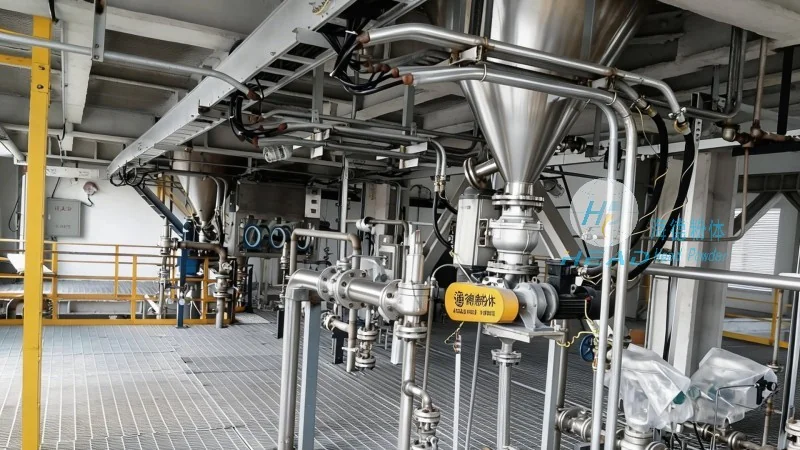
However, negative pressure conveying has inherent limitations that must be considered. The most notable drawback is its restricted conveying capacity and range. The suction force is limited by the power of the vacuum pump and the system's pressure drop, which restricts the ability to transport large volumes of material over long distances. This makes negative pressure systems less suitable for high-throughput operations or when the material must be moved between distant facilities. The system is also more sensitive to external conditions, such as changes in ambient air pressure or temperature, which can affect the suction rate and overall efficiency. Furthermore, proper sealing and filtration are essential to prevent dust leakage and maintain air quality, adding complexity to the system design and operation. The need for high-efficiency filters can increase maintenance costs and require regular cleaning or replacement, which may not be feasible in all operational environments.
Positive Pressure Conveying: Benefits and Challenges
Positive pressure conveying, or pressure conveying, operates by blowing air or a carrier gas through the material to push it along the pipeline. This method is generally more robust and capable of handling higher material volumes and longer distances compared to negative pressure systems. The system typically includes a high-pressure blower, a material feeder, a pipeline network, and a separator or filter at the discharge end. One of the primary advantages is its superior conveying capacity, making it ideal for large-scale operations in the activated carbon industry. The ability to maintain consistent pressure and flow rates ensures reliable and efficient material transport even in complex layouts with multiple branches or changes in elevation. Positive pressure conveying also offers better control over the material's velocity and pressure, which can help reduce particle degradation and maintain product quality. This is particularly important for activated carbon, as maintaining the granule's size and surface area is crucial for its performance in adsorption applications.
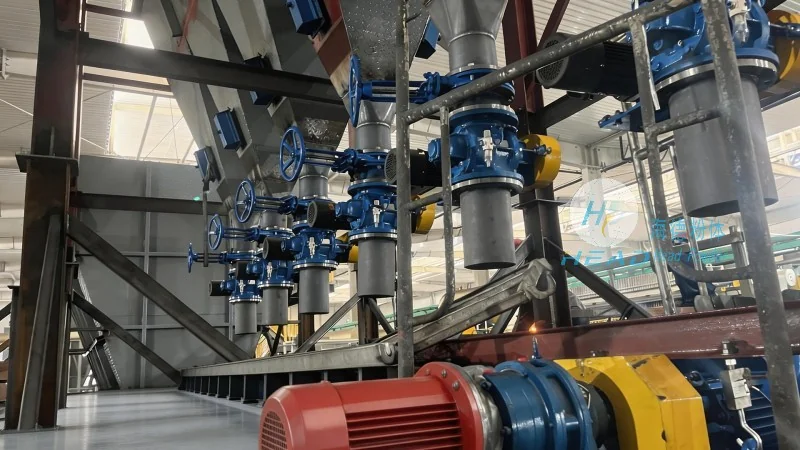
Another significant benefit is the enhanced safety aspect of positive pressure systems, especially when dealing with potentially hazardous materials like activated carbon. The sealed pipeline prevents dust from escaping into the environment, reducing the risk of inhalation hazards and fire or explosion risks associated with fine powders. This feature is critical in industrial settings where regulatory compliance and worker safety are paramount. Positive pressure conveying also allows for better control over the material's moisture content and temperature, which can be important for certain activated carbon applications, such as those involving moisture-sensitive processes or temperature-sensitive materials.
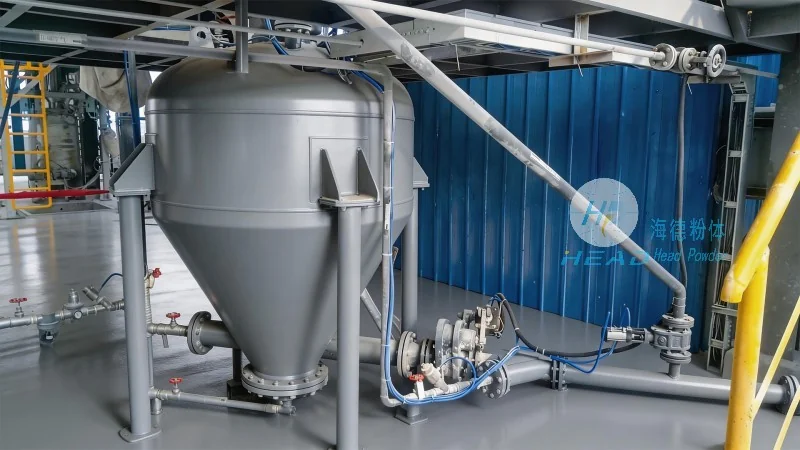
However, positive pressure conveying comes with its own set of challenges. The system requires more complex and robust equipment, including high-pressure blowers, robust pipelines, and advanced control systems, which increases the initial investment and ongoing maintenance costs. The higher pressure also leads to greater energy consumption, as more power is needed to move the material through the system. This can result in higher operational costs, especially for large-scale operations. Additionally, the increased pressure can cause more particle attrition and wear on the pipeline components, potentially reducing the system's lifespan and requiring more frequent replacements or repairs. The system is also more susceptible to blockages, as the high-pressure air can cause material to accumulate and clog the pipeline if not properly managed. This requires regular maintenance and cleaning to ensure smooth operation.
Comparison and Recommendations for Activated Carbon Granules
When selecting between negative and positive pressure conveying for activated carbon granules, several factors must be carefully evaluated. The primary decision point is often the conveying distance and volume requirements. For short-distance, low-volume applications where dust control is critical, negative pressure conveying may be the more economical and effective choice. For example, transporting activated carbon from a hopper to a storage silo within a processing plant may be best suited for a negative pressure system due to its simplicity and ability to minimize dust exposure. Conversely, for long-distance, high-volume operations or where the system must handle complex layouts and maintain high material quality, positive pressure conveying is typically preferred. This is common in large-scale activated carbon production facilities where material is transported from a central processing area to multiple storage locations or to a customer's facility.