

Advantages and Disadvantages Comparison of Negative Pressure and Positive Pressure Pneumatic Conveyi
When it comes to the pneumatic conveying of phenolic resin powder, selecting the appropriate conveying method is crucial for ensuring efficient and reliable material transport. Two primary methods are widely used: negative pressure conveying and positive pressure conveying. Each approach has its own set of advantages and disadvantages, which can significantly impact operational efficiency, cost, and equipment maintenance. This article provides a detailed comparison of negative pressure and positive pressure conveying for phenolic resin powder, helping to inform decision-making for industrial applications.
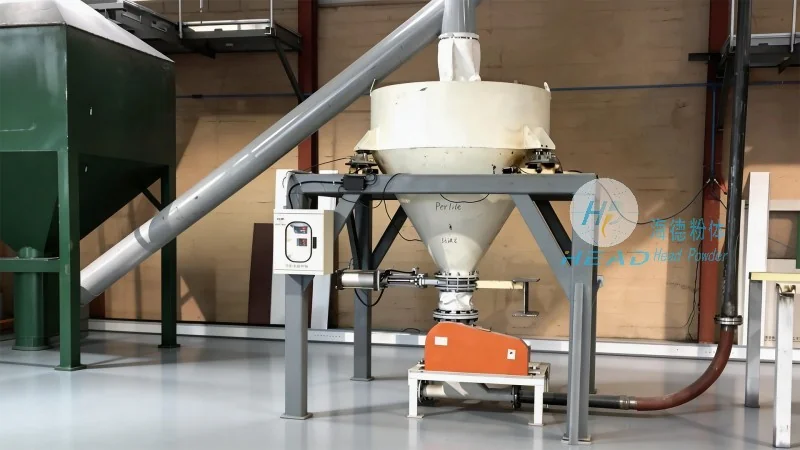
Overview of Pneumatic Conveying Methods
Pneumatic conveying is a technology that uses air or gas to transport bulk materials through a pipeline system. It is commonly employed in industries such as chemical manufacturing, food processing, and pharmaceuticals, where the handling of fine powders like phenolic resin powder requires precise control. The two main types of pneumatic conveying are negative pressure (or suction) conveying and positive pressure (or pressure) conveying. Understanding the fundamental differences between these methods is essential for selecting the most suitable option for a specific application.
Company Introduction: Shandong HeadPowder Engineering Co., Ltd.
As a leading provider in the field of powder handling solutions, Shandong HeadPowder Engineering Co., Ltd. specializes in the design, manufacturing, and implementation of advanced pneumatic conveying systems. With years of experience and a commitment to innovation, HeadPowder offers tailored solutions to meet the unique needs of clients in various industries. The company's expertise in phenolic resin powder handling has enabled it to develop efficient conveying systems that optimize material transport while minimizing operational costs. Based in Shandong, China, HeadPowder serves clients globally, delivering high-quality equipment and technical support.
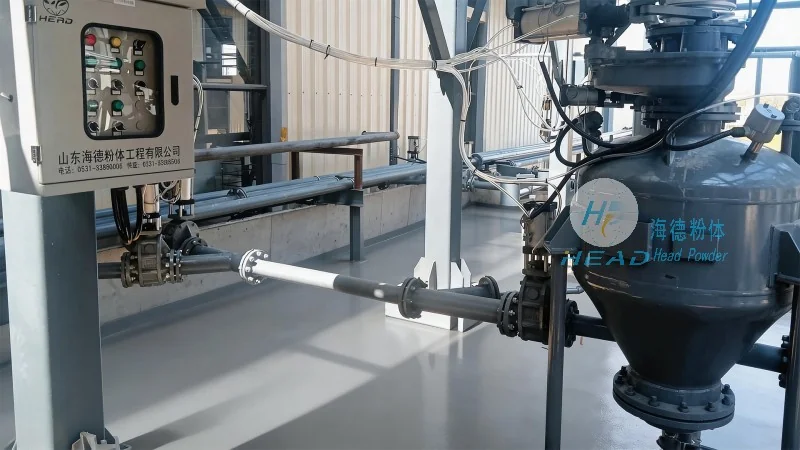
Negative Pressure Pneumatic Conveying
Negative pressure conveying, also known as suction conveying, operates by creating a vacuum in the conveying line to draw material from the source into the system. This method is particularly effective for conveying materials from a hopper or storage bin to a processing unit. The primary advantage of negative pressure conveying is its ability to handle fine powders without causing excessive particle degradation or dust generation. By maintaining a low pressure environment, the system minimizes the risk of material clogging and ensures a smooth flow of phenolic resin powder. Additionally, negative pressure conveying is often more energy-efficient compared to positive pressure systems, as it relies on the natural suction of the vacuum to move materials.
However, negative pressure conveying also has several drawbacks. One significant limitation is its limited conveying distance and capacity. The vacuum pressure can only effectively transport materials over short distances, typically up to several hundred meters. This constraint makes it unsuitable for long-distance applications or when materials need to be transported to multiple destinations. Furthermore, negative pressure systems are more susceptible to air leaks and pressure drops, which can lead to reduced conveying efficiency and increased maintenance requirements. Another challenge is the need for a dedicated suction fan or vacuum pump, which may require regular maintenance and replacement of parts, adding to the operational costs.
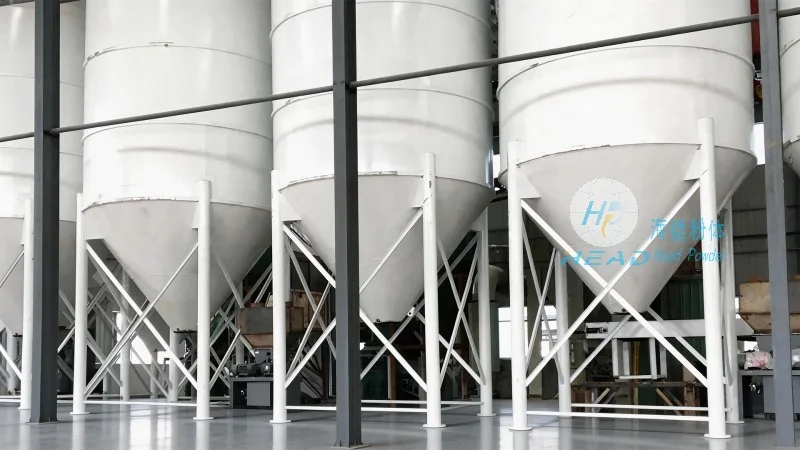
Positive Pressure Pneumatic Conveying
Positive pressure conveying, or pressure conveying, works by blowing air or gas under pressure into the conveying line, pushing the material from the source to the destination. This method is ideal for long-distance transport and can handle larger volumes of phenolic resin powder compared to negative pressure systems. The primary advantage of positive pressure conveying is its ability to transport materials over extended distances, often exceeding 1,000 meters, with minimal pressure loss. This makes it suitable for applications where materials need to be delivered to multiple processing units or storage locations. Additionally, positive pressure systems are less prone to air leaks and pressure fluctuations, resulting in more stable and consistent conveying performance.
Despite these benefits, positive pressure conveying also has its disadvantages. One major drawback is the higher energy consumption compared to negative pressure systems. The need to maintain a constant pressure in the pipeline requires more powerful blowers or compressors, which can increase operational costs. Furthermore, positive pressure conveying can cause more particle degradation and dust generation, especially for fine powders like phenolic resin. The high velocity of the air can lead to abrasion and attrition of the particles, potentially affecting the quality of the final product. Another concern is the risk of material buildup and clogging in the conveying line, which may require more frequent cleaning and maintenance to prevent system downtime.
Comparison of Negative and Positive Pressure Conveying for Phenolic Resin Powder
When comparing negative and positive pressure conveying for phenolic resin powder, several factors must be considered to determine the most suitable method. The choice between the two depends on the specific application requirements, such as the distance of material transport, the volume of powder to be handled, and the need for material quality preservation. For short-distance applications where fine powder handling is critical, negative pressure conveying may be the preferred option due to its lower energy consumption and reduced particle degradation. Conversely, for long-distance transport or when handling larger volumes, positive pressure conveying offers better performance and reliability.
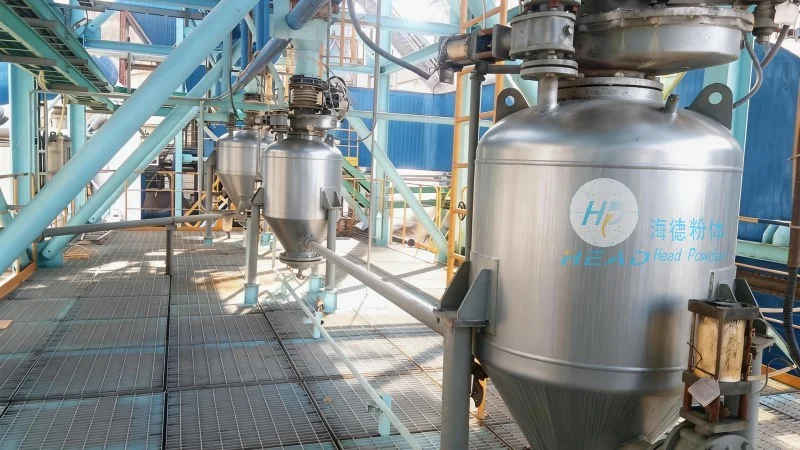
Operational costs also play a significant role in the decision-making process. Negative pressure systems generally have lower initial and operational costs due to their simpler design and lower energy requirements. However, they may require more frequent maintenance due to the susceptibility to air leaks and pressure drops. Positive pressure systems, while more expensive to install and operate, offer greater durability and stability, reducing long-term maintenance costs. Additionally, the environmental impact of each method should be considered. Negative pressure conveying produces less dust and particulate emissions, making it more environmentally friendly. Positive pressure systems, on the other hand, may generate more dust, requiring additional filtration and ventilation systems to comply with environmental regulations.
Conclusion
In conclusion, both negative pressure and positive pressure pneumatic conveying methods have their own advantages and disadvantages when applied to the transport of phenolic resin powder. The selection of the appropriate method depends on the specific needs of the application, including distance, volume, material quality, and cost considerations. Shandong HeadPowder Engineering Co., Ltd. provides comprehensive solutions for both negative and positive pressure conveying systems, ensuring that clients can choose the most suitable option for their industrial requirements. By leveraging the expertise and experience of HeadPowder, businesses can optimize their phenolic resin powder handling processes, improve operational efficiency, and reduce costs.