

Advantages and Disadvantages of Negative Pressure and Positive Pressure Conveying for Cement and Min
In the cement and mineral powder industry, air-flow conveying is a critical method for transporting bulk materials over short to medium distances. This technology involves using a stream of air to move powders through a pipeline, and it comes in two primary forms: negative pressure (or suction) conveying and positive pressure (or pressure) conveying. Both systems have distinct characteristics, advantages, and disadvantages that make them suitable for different applications. This article provides a detailed comparison of the two methods, focusing on their operational principles, performance, and practical considerations.
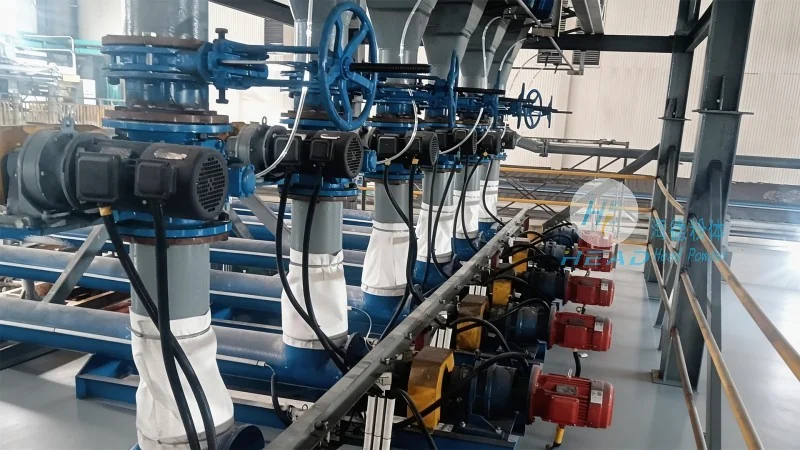
Negative Pressure (Suction) Conveying: How It Works and Its Key Features
Negative pressure conveying operates by creating a low-pressure zone in the pipeline, which draws material from the source into the system. The process typically involves a vacuum pump that pulls air and material through the pipeline, with the material being separated from the air at the receiving end. This method is often used for applications where the material needs to be transported from a higher elevation to a lower one, or where the source is located in a confined space. The key features of negative pressure conveying include:
- Ability to draw material from multiple sources without the need for separate feeders at each point.
- Reduced risk of material spillage at the source, as the system pulls material in rather than pushing it out.
- Lower energy consumption compared to positive pressure systems, especially for short to medium distances.
- Compatibility with materials that are sensitive to high pressure or temperature, as the system operates at lower pressures.
Advantages of Negative Pressure Conveying
One of the main advantages of negative pressure conveying is its ability to handle materials that are prone to dust generation or are sensitive to contamination. The suction process ensures that the material is drawn into the system without coming into contact with external air, reducing the risk of cross-contamination. Additionally, this method is ideal for applications where the material source is located in a remote or hard-to-reach area, as the system can pull material from a distance without the need for extensive infrastructure. Another key advantage is the lower capital cost of the equipment, as negative pressure systems typically require less powerful motors and pumps compared to their positive pressure counterparts.
Disadvantages of Negative Pressure Conveying
Despite its advantages, negative pressure conveying has several limitations. One of the most significant drawbacks is its limited conveying distance and capacity. The suction force diminishes over longer distances, making it unsuitable for transporting materials over more than a few hundred meters. Additionally, the system is more susceptible to blockages, as the low pressure can cause material to settle in the pipeline if the flow rate is too low. Another disadvantage is the higher maintenance requirements, as the vacuum pump and associated components are more prone to wear and tear due to the continuous operation under vacuum conditions. Finally, negative pressure systems may not be suitable for materials that are highly abrasive or have high moisture content, as the suction process can cause the material to degrade or clump together.
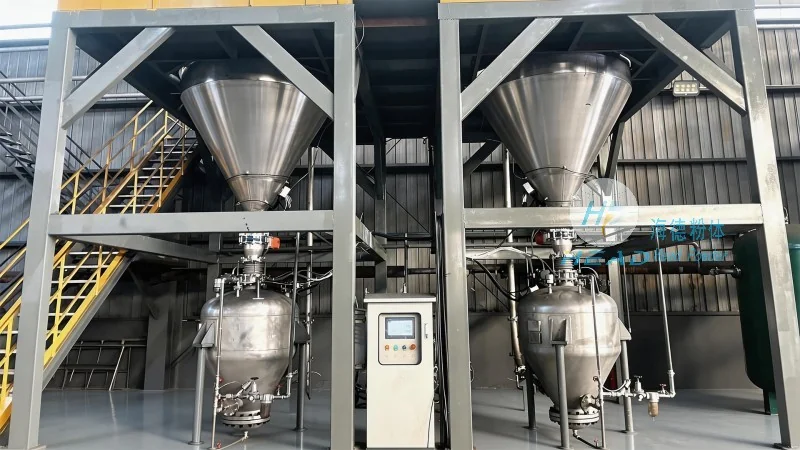
Positive Pressure (Pressure) Conveying: Operational Principles and Characteristics
Positive pressure conveying, on the other hand, operates by pushing material through the pipeline using a blower or compressor that generates high-pressure air. The material is fed into the system at the source, and the high-pressure air propels it through the pipeline to the receiving end. This method is commonly used for applications where the material needs to be transported from a lower elevation to a higher one, or where the source is located in an open area. The key features of positive pressure conveying include:
- Ability to transport materials over longer distances and at higher capacities compared to negative pressure systems.
- More consistent flow rates, as the system operates at a constant high pressure.
- Reduced risk of material blockages, as the high pressure ensures that the material moves continuously through the pipeline.
- Compatibility with a wide range of materials, including those that are abrasive or have high moisture content.
Advantages of Positive Pressure Conveying
The primary advantage of positive pressure conveying is its ability to handle longer conveying distances and higher material capacities. The high-pressure air ensures that the material moves efficiently through the pipeline, even over steep inclines or long distances. This makes it ideal for applications in large-scale cement plants or mining operations where material needs to be transported over several kilometers. Another key advantage is the lower maintenance requirements, as the system operates at higher pressures but with less wear on the components compared to negative pressure systems. Additionally, positive pressure conveying is more suitable for materials that are prone to clumping or agglomeration, as the high pressure helps to break up the material and maintain a consistent flow.
Disadvantages of Positive Pressure Conveying
However, positive pressure conveying also has its drawbacks. One of the main disadvantages is the higher energy consumption compared to negative pressure systems, especially for long-distance applications. The high-pressure blower or compressor requires more power to operate, which increases operational costs. Another disadvantage is the higher capital cost of the equipment, as positive pressure systems typically require more powerful motors and pumps to generate the necessary pressure. Additionally, the system is more susceptible to material spillage at the source, as the material is pushed out of the system rather than drawn in. This can lead to environmental issues and increased maintenance costs. Finally, positive pressure systems may not be suitable for materials that are sensitive to high temperatures or pressure, as the system operates at higher pressures and temperatures.
Comparison of Negative Pressure vs. Positive Pressure Conveying
When comparing negative pressure and positive pressure conveying for cement and mineral powders, several factors need to be considered. The choice between the two systems depends on the specific application, material characteristics, and operational requirements. Here is a summary of the key differences:
| Feature | Negative Pressure Conveying | Positive Pressure Conveying |
|---|---|---|
| Conveying Principle | Draws material using vacuum | Pushes material using high pressure |
| Conveying Distance | Short to medium (typically < 300m) | Long (up to several kilometers) |
| Material Capacity | Lower | Higher |
| Energy Consumption | Lower | Higher |
| Material Sensitivity | Good for sensitive materials | Good for abrasive materials |
| Capital Cost | Lower | Higher |
| Maintenance | Higher | Lower |
Conclusion: Choosing the Right Conveying System for Cement and Mineral Powders
Both negative pressure and positive pressure conveying systems have their place in the cement and mineral powder industry. The choice between the two depends on the specific requirements of the application, including the distance to be covered, the material characteristics, and the operational constraints. Negative pressure conveying is ideal for short-distance applications where the material is sensitive to contamination or requires low energy consumption. Positive pressure conveying, on the other hand, is better suited for long-distance applications where higher material capacities and consistent flow rates are needed.
When selecting a conveying system, it is essential to consider the cost-benefit analysis, as both systems have different capital and operational costs. Additionally, the maintenance requirements and the potential for material blockages or spillage should be evaluated carefully. By understanding the advantages and disadvantages of each system, manufacturers can choose the most appropriate air-flow conveying method to ensure efficient and reliable material transport.
About Shandong HeadPowder Engineering Co., Ltd.
Shandong HeadPowder Engineering Co., Ltd. is a leading provider of air-flow conveying solutions for the cement and mineral powder industry. With years of experience and expertise, the company specializes in designing and manufacturing high-quality negative pressure and positive pressure conveying systems tailored to the specific needs of its clients. HeadPowder's products are known for their reliability, efficiency, and durability, making them a trusted choice for companies operating in the cement, mining, and construction sectors. The company's headquarters is located in Shandong, China, and it serves customers worldwide with its innovative and cost-effective solutions.