

Types and Practical Applications of Pneumatic Conveying Systems for Ammonium Sulfate Transport
Pneumatic conveying systems have become a critical technology in the industrial handling of bulk materials, including ammonium sulfate. As a widely used fertilizer and chemical raw material, the efficient and reliable transport of ammonium sulfate is essential for maintaining production efficiency and minimizing operational costs. Pneumatic conveying offers a solution that combines flexibility, safety, and effectiveness in moving this material from storage to processing or packaging facilities. This article explores the different types of pneumatic conveying systems commonly used for ammonium sulfate transport and their practical applications in industrial settings.
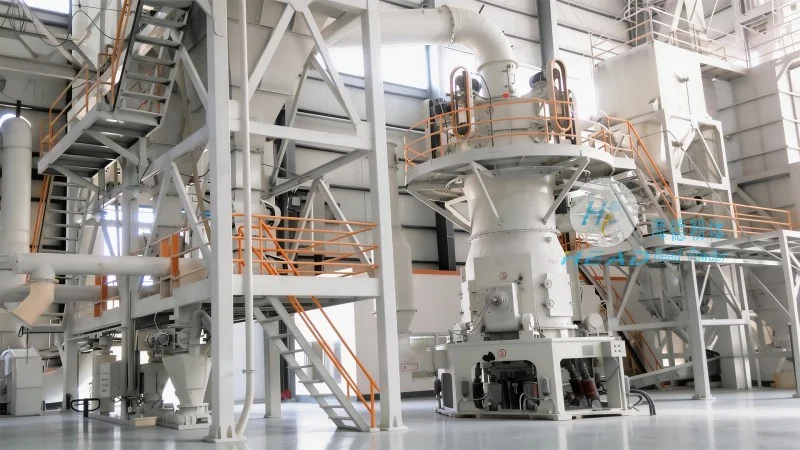
Types of Pneumatic Conveying Systems for Ammonium Sulfate
There are several types of pneumatic conveying systems, each with distinct characteristics and suitability for different operational conditions. The choice of system depends on factors such as material properties, distance to be conveyed, and the required flow rate. For ammonium sulfate, which is a fine powder with specific handling requirements, the following system types are commonly employed:
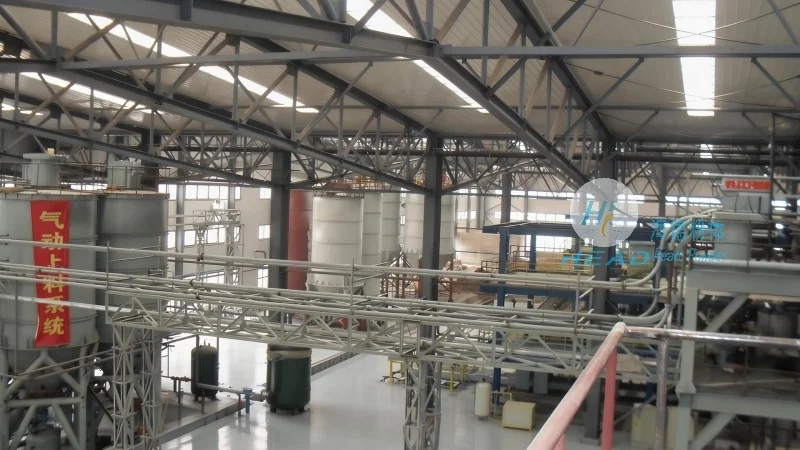
- Positive Pressure Pneumatic Conveying: This system uses compressed air to push the material through a pipeline. It is suitable for short to medium distances and can handle abrasive materials like ammonium sulfate. The system operates by introducing air at high pressure into the material stream, creating a positive pressure that moves the material forward. Positive pressure systems are generally more reliable for handling fine powders and can maintain consistent flow rates.
- Negative Pressure (Vacuum) Pneumatic Conveying: In this system, a vacuum is created at the receiving end to draw the material into the pipeline. It is ideal for applications where the material needs to be transported from multiple sources or over longer distances. Negative pressure systems are often used for handling materials that are sensitive to pressure changes or where dust control is a priority. For ammonium sulfate, vacuum systems can effectively transport the material while minimizing dust emissions and ensuring a clean handling process.
- Mixed-Pressure Pneumatic Conveying: This hybrid system combines elements of both positive and negative pressure systems. It uses a combination of compressed air and vacuum to transport the material, offering flexibility in handling different material types and distances. Mixed-pressure systems are particularly useful for complex conveying routes that involve multiple transfers or changes in elevation. They provide a balanced approach to material transport, ensuring efficient movement of ammonium sulfate while maintaining system efficiency and reliability.
Practical Applications of Pneumatic Conveying Systems in Ammonium Sulfate Handling
The practical applications of pneumatic conveying systems for ammonium sulfate span various industrial processes. These systems are integral to the overall material handling workflow, from raw material storage to final product packaging. Here are some key applications where pneumatic conveying systems are utilized:
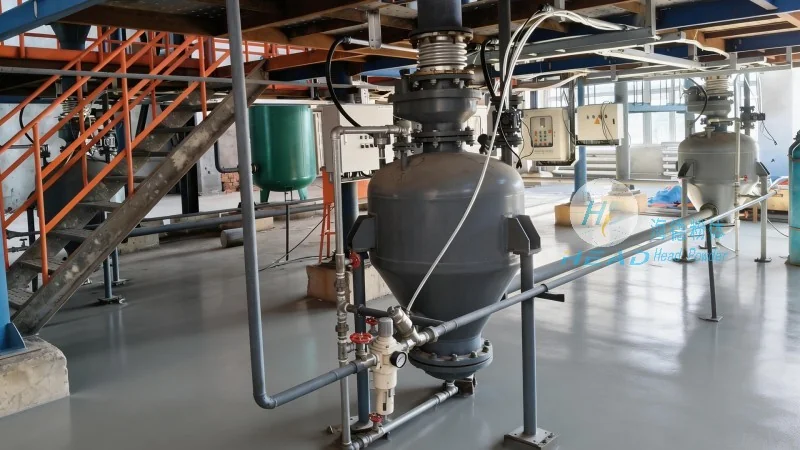
- Storage to Processing: In fertilizer production facilities, ammonium sulfate is often stored in silos or bulk storage tanks. Pneumatic conveying systems are used to transfer the material from these storage units to the processing equipment, such as granulators or mixers. This ensures a continuous and controlled supply of raw material, reducing downtime and improving production throughput. The systems can handle large volumes of ammonium sulfate, maintaining a steady flow rate that matches the processing requirements.
- Processing to Packaging: After processing, the ammonium sulfate may need to be transferred to packaging lines for bagging or bulk loading. Pneumatic conveying systems can efficiently move the material from the processing area to the packaging equipment, ensuring that the material is handled gently to avoid degradation or caking. This is particularly important for ammonium sulfate, which can be prone to agglomeration if not handled properly. The systems provide a clean and dust-free transfer, enhancing product quality and reducing the risk of contamination.
- Transfer Between Facilities: In some cases, ammonium sulfate may need to be transported between different industrial facilities, such as from a production plant to a distribution center or a neighboring processing plant. Pneumatic conveying systems offer a flexible solution for long-distance transport, as they can handle materials over several kilometers without the need for intermediate storage or handling. This is especially beneficial for companies operating in multiple locations, as it streamlines the supply chain and reduces transportation costs.
- Dust Control and Environmental Compliance: Ammonium sulfate is a fine powder that can generate significant dust during handling. Pneumatic conveying systems are designed to minimize dust emissions by using enclosed pipelines and proper air filtration. This not only improves workplace safety but also helps companies comply with environmental regulations. The systems can be equipped with dust collection and filtration systems, ensuring that the material is handled in a clean and environmentally friendly manner. This is a critical consideration for industrial operations, as dust control is essential for maintaining a safe and compliant workplace.
Company Profile: Shandong HeadPowder Engineering Co., Ltd.
Shandong HeadPowder Engineering Co., Ltd., commonly known as HeadPowder, is a leading provider of pneumatic conveying systems and industrial material handling solutions. With a focus on innovation and customer satisfaction, HeadPowder specializes in designing and manufacturing customized systems tailored to the specific needs of clients in the chemical and fertilizer industries. The company’s expertise lies in understanding the unique challenges of handling materials like ammonium sulfate, and developing solutions that address these challenges effectively. HeadPowder’s systems are known for their reliability, efficiency, and durability, making them a trusted choice for industrial applications. The company operates from its headquarters in Shandong, China, and serves clients globally with a commitment to quality and service.