

Types, Features, and Application Ranges of Caustic Soda Pneumatic Conveying Systems
Caustic soda, also known as sodium hydroxide, is a widely used chemical in various industrial processes. The efficient handling and transportation of caustic soda are critical for maintaining operational efficiency and safety. Pneumatic conveying systems have emerged as a preferred method for transporting caustic soda due to their ability to handle the material safely and effectively. This article explores the different types of caustic soda pneumatic conveying systems, their key features, and the diverse applications where they are employed.
Introduction to Caustic Soda Pneumatic Conveying
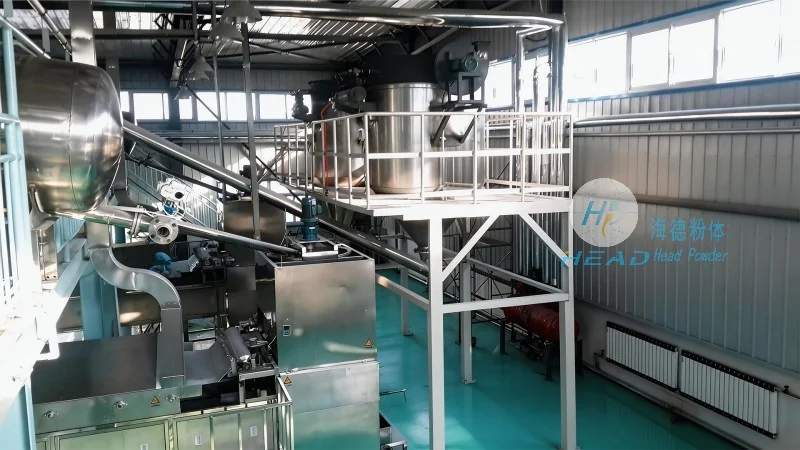
Caustic soda is a highly reactive and corrosive chemical, making its handling and transportation challenging. Traditional methods like belt conveyors or bucket elevators may not be suitable due to the material's properties. Pneumatic conveying systems offer a solution by using air or other gases to transport the material through a pipeline. This method minimizes direct contact with the material, reducing the risk of contamination and improving safety. The systems are designed to handle caustic soda in various forms, including solid pellets, flakes, or powders, ensuring versatility in industrial applications.
Types of Caustic Soda Pneumatic Conveying Systems
There are several types of pneumatic conveying systems used for caustic soda transportation, each with its own advantages and suitable applications. The primary types include pressure conveying, vacuum conveying, and combined pressure-vacuum systems. Pressure conveying systems use compressed air to push the material through the pipeline, typically operating at pressures above atmospheric. This method is suitable for long-distance transportation and handling large quantities of caustic soda. Vacuum conveying systems, on the other hand, use a vacuum to draw the material into the pipeline, often used for shorter distances or when the material needs to be collected from multiple points. Combined systems offer the flexibility to use both pressure and vacuum modes, providing adaptability for complex conveying requirements.
Key Features of Caustic Soda Pneumatic Conveying Systems
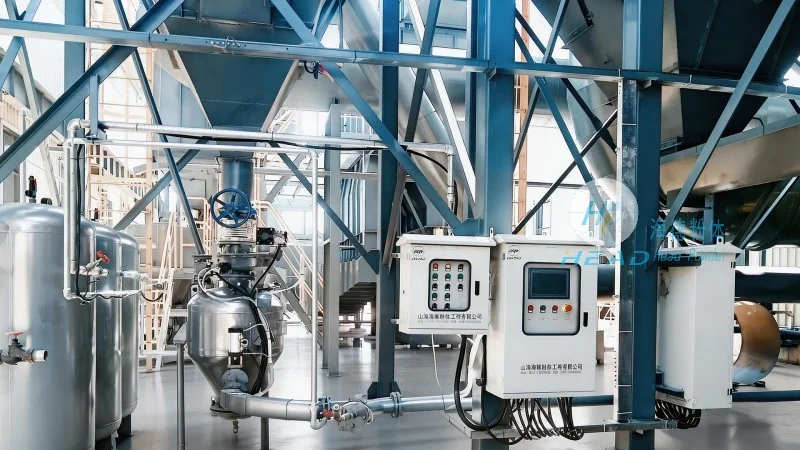
The effectiveness of caustic soda pneumatic conveying systems depends on several key features that ensure optimal performance and safety. One of the most important features is the material handling capability, which includes the system's ability to transport different forms of caustic soda without degradation or blockage. The system's design must account for the chemical's corrosive nature, using materials such as stainless steel or specialized coatings to prevent wear and damage. Additionally, the system's control mechanisms, including flow rate regulation and pressure monitoring, are crucial for maintaining consistent performance and preventing overloading or system failure. The energy efficiency of the system is another critical feature, as pneumatic conveying can be energy-intensive, and optimizing air usage reduces operational costs.
Application Ranges of Caustic Soda Pneumatic Conveying Systems
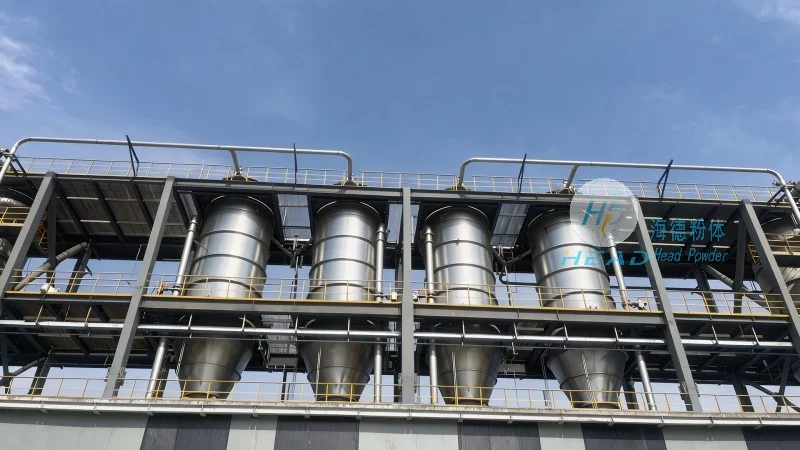
Caustic soda pneumatic conveying systems are employed in a wide range of industrial applications where the material needs to be transported efficiently and safely. In the chemical industry, these systems are used for transporting caustic soda between production units, storage tanks, and processing equipment. The food and beverage industry also utilizes pneumatic conveying for handling caustic soda in cleaning and processing operations, where hygiene and material purity are paramount. The paper and pulp industry relies on these systems for transporting caustic soda in bleaching and chemical pulping processes, where precise control over the material's flow is essential. Additionally, the textile and pharmaceutical industries use pneumatic conveying for handling caustic soda in dyeing and manufacturing processes, ensuring consistent quality and safety.
Benefits of Using Caustic Soda Pneumatic Conveying Systems
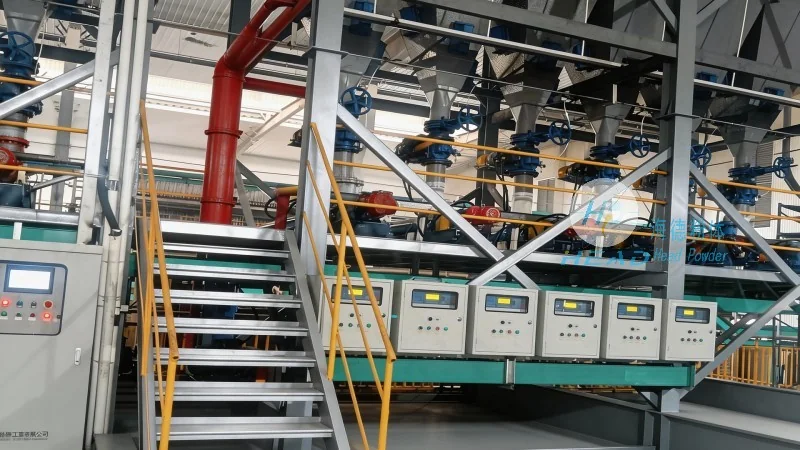
Implementing caustic soda pneumatic conveying systems offers several benefits that enhance operational efficiency and safety. One of the primary benefits is the reduction in labor costs and manual handling, as the system automates the transportation process. This not only improves safety by minimizing human exposure to the corrosive material but also increases productivity by allowing for continuous operation. The systems also reduce material loss and contamination, as the enclosed pipeline design prevents dust and moisture from entering or leaving the system. Furthermore, pneumatic conveying systems can handle caustic soda in various forms, including bulk and packaged materials, providing flexibility in material handling. The ability to transport caustic soda over long distances without the need for intermediate storage or handling points also streamlines the production process and reduces downtime.
Conclusion
In conclusion, caustic soda pneumatic conveying systems are a vital component in the efficient and safe handling of caustic soda in various industrial applications. The different types of systems, including pressure, vacuum, and combined modes, offer flexibility to meet diverse conveying requirements. Key features such as material handling capability, corrosion resistance, and energy efficiency ensure optimal performance. The applications range from chemical production to food processing, paper manufacturing, and more, highlighting the versatility of these systems. By leveraging the benefits of pneumatic conveying, industries can enhance operational efficiency, improve safety, and reduce costs associated with caustic soda transportation. As technology advances, these systems continue to evolve, providing even more efficient and sustainable solutions for caustic soda handling.