

Types, Features, and Applications of Bentonite Pneumatic Conveying Systems
Bentonite, also known as fuller's earth, is a versatile clay mineral widely used in various industrial processes due to its unique properties. The efficient handling and transportation of bentonite are crucial for optimizing production workflows, and pneumatic conveying systems have emerged as a preferred solution for this purpose. This article explores the different types of bentonite pneumatic conveying systems, their key features, and the diverse applications where they are applied, providing insights into how these technologies enhance operational efficiency and material management.
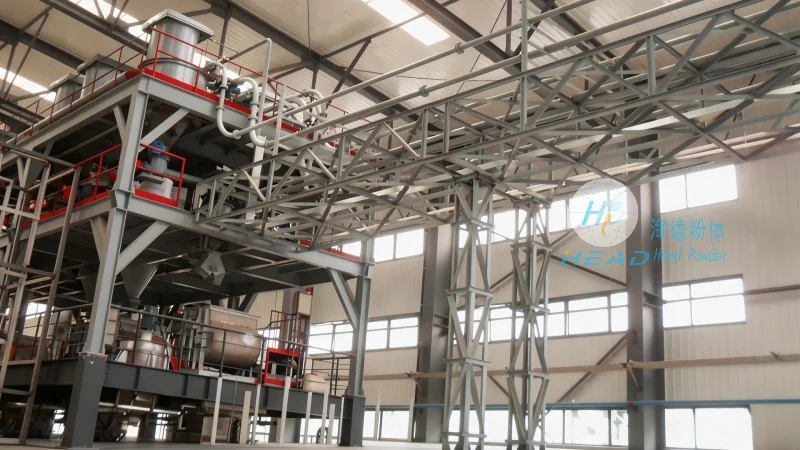
Introduction to Bentonite Pneumatic Conveying
Bentonite, a naturally occurring clay, is characterized by its high swelling capacity and adsorption properties, making it essential in applications such as drilling mud, foundry sand, and environmental remediation. Pneumatic conveying systems utilize air or gas to transport dry bulk materials like bentonite, offering advantages over traditional methods like belt conveyors or trucks. These systems are particularly beneficial for handling fine powders and preventing material contamination, which is critical in industries where purity and consistency are paramount.
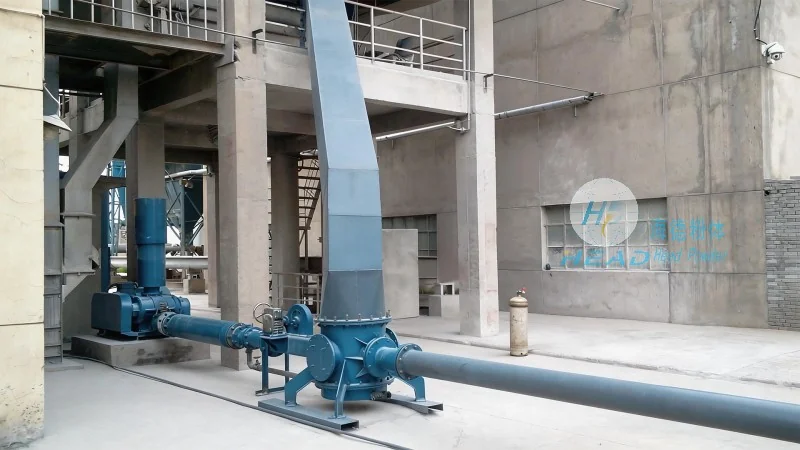
Types of Bentonite Pneumatic Conveying Systems
There are several types of pneumatic conveying systems designed to handle bentonite, each with distinct characteristics and operational capabilities. The primary categories include pressure and vacuum systems, which are selected based on the material's properties, distance of transport, and system layout. Pressure systems operate by forcing air or gas through the conveying line, typically using positive displacement blowers or rotary lobe pumps. These systems are suitable for long-distance transport and high-volume applications, as they can maintain consistent material flow and pressure. Vacuum systems, on the other hand, use suction to draw material from the source, often employing rotary vane or Roots blowers. They are ideal for short-distance transport or when the material needs to be collected from multiple points.
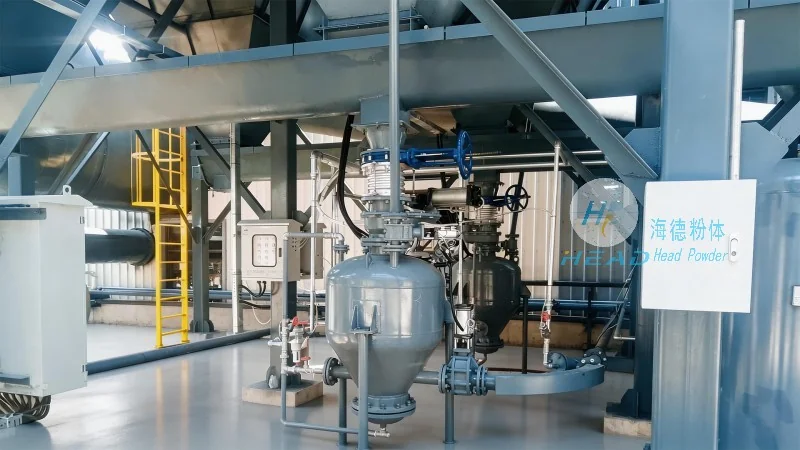
Key Features of Bentonite Pneumatic Conveying Systems
The effectiveness of bentonite pneumatic conveying systems is determined by several key features that enhance performance and reliability. One of the most important features is the material's particle size and moisture content, as these factors influence the system's air flow requirements and pressure drop. Systems are often equipped with pre-processing equipment, such as classifiers or dryers, to ensure the bentonite meets the required specifications before transport. Another critical feature is the system's flexibility, allowing for integration with existing production lines and adaptability to varying material volumes. Advanced control systems, including variable frequency drives (VFDs) and sensors, enable real-time monitoring and adjustment of air flow and pressure, optimizing energy consumption and reducing operational costs.
Applications of Bentonite Pneumatic Conveying Systems
Bentonite pneumatic conveying systems find extensive applications across multiple industries, leveraging the material's unique properties for various processes. In the oil and gas sector, bentonite is used to formulate drilling mud, and pneumatic conveying systems ensure the precise delivery of bentonite to the mud mixing tanks, maintaining the required viscosity and performance. The foundry industry relies on bentonite as a binder for sand molds, and pneumatic systems facilitate the efficient transfer of bentonite from storage to mixing equipment, improving production speed and consistency. Environmental remediation projects also utilize bentonite for soil stabilization and barrier applications, where pneumatic conveying systems enable the controlled distribution of bentonite over large areas, ensuring uniform coverage and effective containment of contaminants. Additionally, in the pharmaceutical and food industries, bentonite is used as a clarifying agent or filter aid, and pneumatic conveying systems maintain the material's purity and prevent cross-contamination during transport.
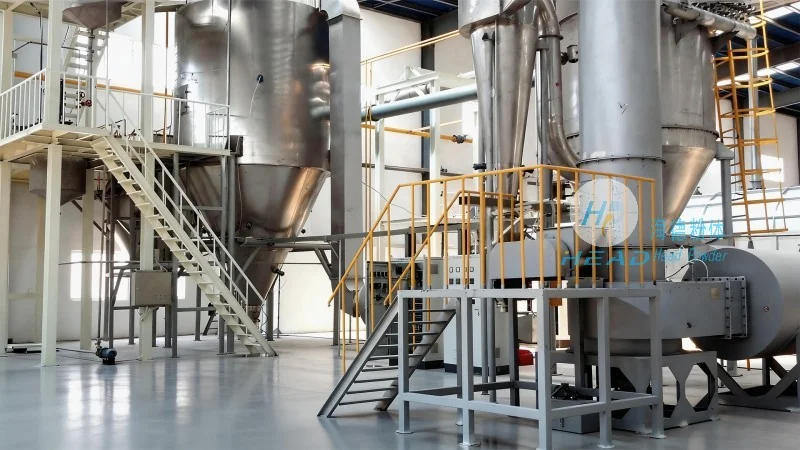
Conclusion and Company Overview
As industries continue to demand efficient and reliable material handling solutions, bentonite pneumatic conveying systems play a vital role in optimizing production processes. The versatility of these systems, combined with their ability to handle fine powders and maintain material integrity, makes them indispensable in applications where precision and consistency are critical. Shandong HeadPowder Engineering Co., Ltd., a leading manufacturer in the field, specializes in designing and supplying customized pneumatic conveying solutions tailored to the specific needs of bentonite handling. With a focus on innovation and quality, the company ensures that its systems meet the highest industry standards, providing long-term performance and cost-effectiveness for clients. Based in Shandong, China, HeadPowder Engineering Co., Ltd. leverages its expertise and advanced technology to deliver solutions that enhance operational efficiency and support sustainable industrial practices.