

Types, Features, and Applications of Wheat Pneumatic Conveying Systems
Wheat pneumatic conveying systems are essential equipment in the grain processing industry, designed to efficiently transport wheat from one location to another. These systems utilize air pressure to move wheat particles, offering a flexible and efficient method for handling bulk materials. The technology has evolved significantly over the years, with various types and applications tailored to meet the specific needs of different industries. This article explores the key types, features, and application ranges of wheat pneumatic conveying systems, providing insights into their functionality and benefits.
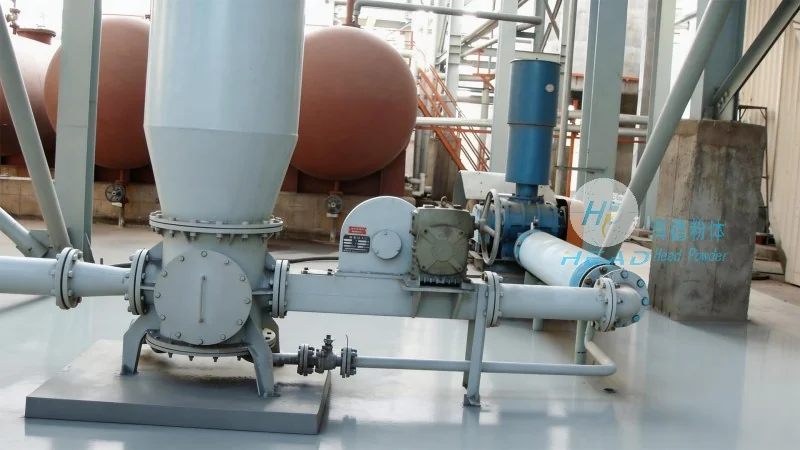
Types of Wheat Pneumatic Conveying Systems
There are several types of wheat pneumatic conveying systems, each with distinct characteristics and operational principles. The primary categories include pressure and vacuum systems, as well as dilute and dense phase systems. Pressure systems use compressed air to push wheat particles through a pipeline, while vacuum systems use suction to draw the material. Dilute phase systems operate at low air-to-material ratios, suitable for long-distance and high-velocity transport. Dense phase systems, on the other hand, use higher air-to-material ratios to move material more slowly and with less wear on equipment. Understanding these types is crucial for selecting the right system for a specific application.
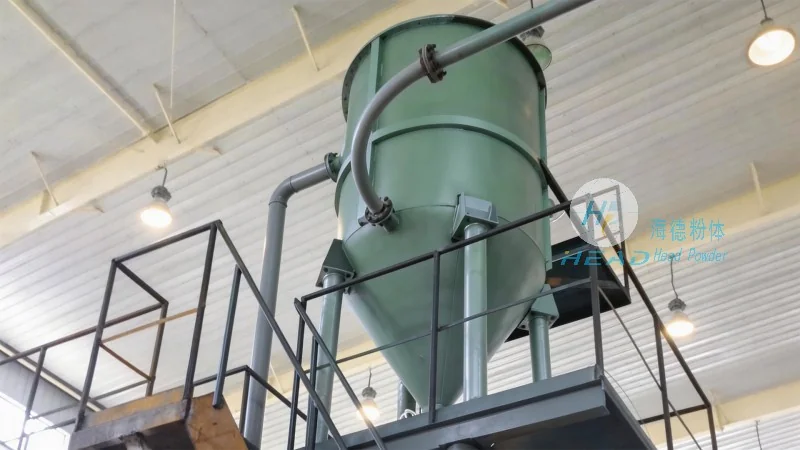
Key Features of Wheat Pneumatic Conveying Systems
Wheat pneumatic conveying systems offer several advantages that make them popular in grain processing. One of the main features is their ability to handle large volumes of material with minimal labor. The systems are also relatively compact, requiring less floor space compared to traditional conveyor systems. Additionally, they provide a hygienic and dust-free environment, which is critical for maintaining the quality of wheat. Another important feature is the flexibility in system design, allowing for easy integration with existing processing lines. The systems are also energy-efficient, with some models achieving significant reductions in power consumption. These features collectively contribute to the efficiency and cost-effectiveness of wheat handling operations.
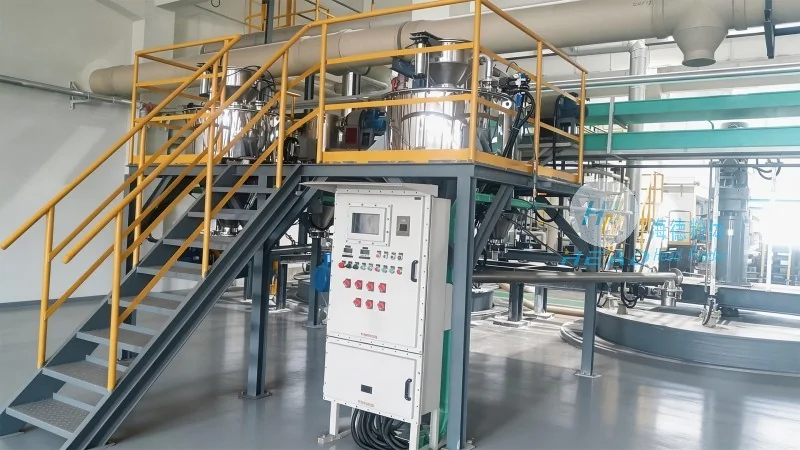
Application Ranges of Wheat Pneumatic Conveying Systems
Wheat pneumatic conveying systems are widely used in various applications within the grain industry. They are commonly employed in flour mills, where they transport wheat from storage silos to grinding equipment. The systems are also used in seed processing facilities, where they move wheat seeds for cleaning and sorting. In addition, they are utilized in agricultural storage facilities for transferring wheat from fields to storage bins. The application ranges extend to food processing plants, where wheat is used as an ingredient in various products. The versatility of these systems allows them to be adapted to different production scales, from small-scale farms to large industrial facilities. The ability to handle different wheat varieties and processing requirements makes them a reliable choice for many applications.
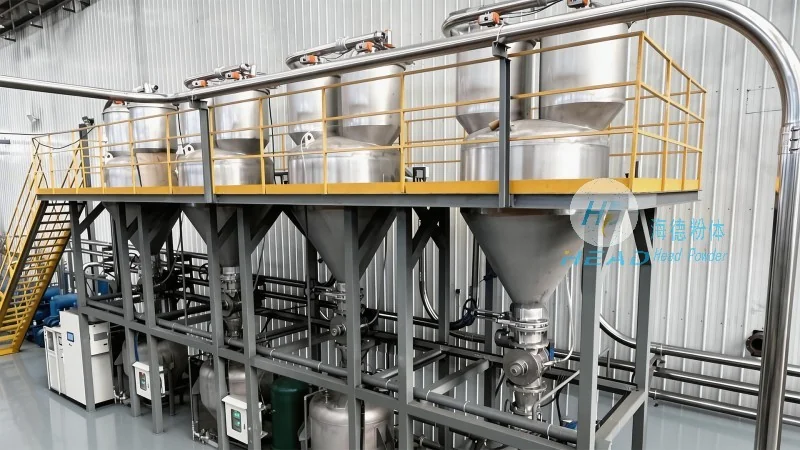
Company Information: Shandong HeadPowder Engineering Co., Ltd.
Shandong HeadPowder Engineering Co., Ltd. is a leading manufacturer of wheat pneumatic conveying systems, with a strong presence in the grain processing industry. The company is headquartered in Shandong, China, and has established itself as a trusted provider of high-quality conveying solutions. With years of experience and expertise, HeadPowder offers a range of products tailored to meet the diverse needs of its clients. The company's commitment to innovation and quality ensures that its systems are reliable, efficient, and durable. HeadPowder's products are designed to enhance the productivity and profitability of grain processing operations, making them a preferred choice for many businesses in the industry.