

Types, Features, and Application Ranges of Gelatin Pneumatic Conveying
Gelatin pneumatic conveying systems are specialized equipment designed to transport gelatin powder efficiently and safely. These systems utilize air or gas as the conveying medium to move the material from one location to another, offering advantages such as reduced dust generation, improved material handling, and enhanced process control. As a key component in various industrial applications, gelatin pneumatic conveying systems play a crucial role in ensuring smooth and reliable material transport. The technology behind these systems involves the use of pressure or vacuum to create a flow of air that carries the gelatin particles through a pipeline network, allowing for precise control over the speed and direction of material movement.
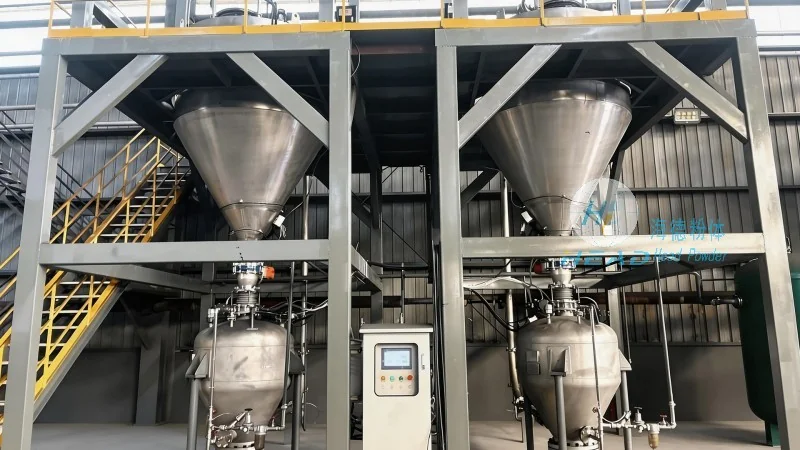
About Shandong HeadPowder Engineering Co., Ltd.
Shandong HeadPowder Engineering Co., Ltd., operating under the brand name headpowder, is a leading manufacturer and supplier of advanced pneumatic conveying solutions. With a focus on innovation and quality, the company specializes in designing and producing gelatin pneumatic conveying systems tailored to meet the diverse needs of the food, pharmaceutical, and chemical industries. HeadPowder's commitment to excellence ensures that their products are built to withstand the demands of high-volume production environments while maintaining compliance with industry standards and regulations. The company's extensive experience in the field, combined with state-of-the-art manufacturing facilities, enables them to deliver customized solutions that address specific customer requirements, from small-scale laboratory applications to large-scale industrial production lines.
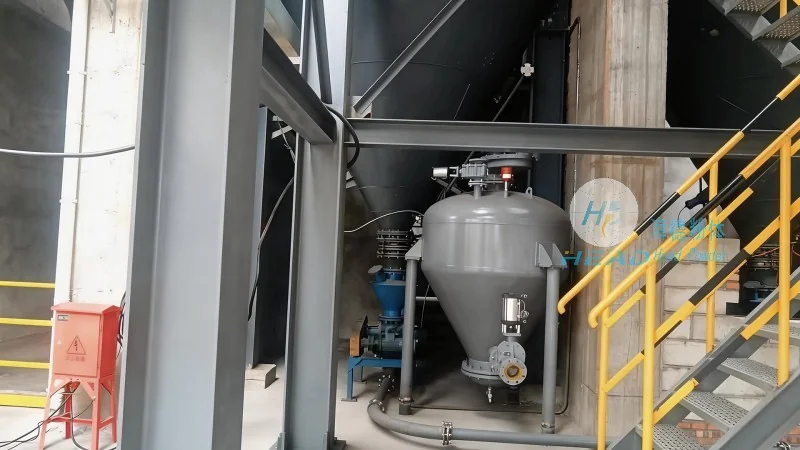
Types of Gelatin Pneumatic Conveying Systems
There are several types of gelatin pneumatic conveying systems, each designed for specific operational requirements and material characteristics. The primary categories include pressure conveying systems, vacuum conveying systems, and combined pressure-vacuum systems. Pressure conveying systems use compressed air to push the material through the pipeline, making them suitable for long-distance and high-volume transport. These systems typically operate at pressures ranging from 0.5 to 2 bar, ensuring that the gelatin is moved efficiently without causing excessive wear on the equipment. Vacuum conveying systems, on the other hand, use a vacuum to draw the material into the system, which is ideal for handling fine powders and preventing product degradation. These systems are often used for short-distance transport and are particularly effective for materials that are sensitive to pressure changes. Combined systems offer the flexibility to switch between pressure and vacuum modes, providing optimal performance for complex conveying tasks. For instance, a combined system might use pressure to move the material from a silo to a processing unit and then switch to vacuum to transfer the material to a packaging line, optimizing energy usage and operational efficiency.
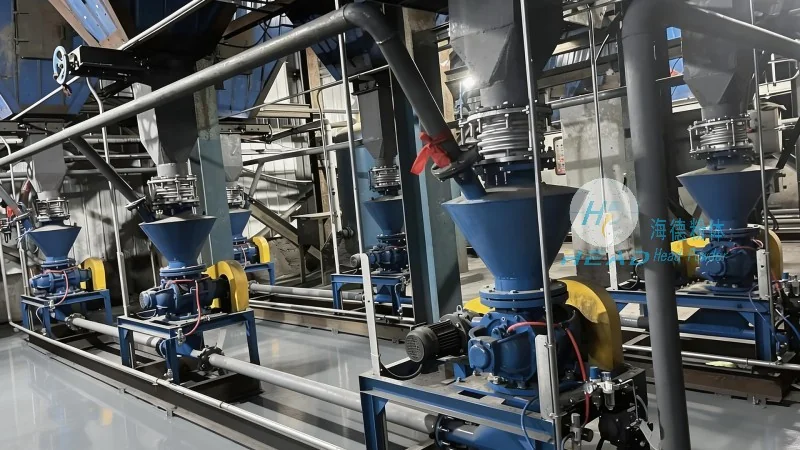
Key Features of Gelatin Pneumatic Conveying Systems
Modern gelatin pneumatic conveying systems are equipped with several key features that enhance their functionality and efficiency. One of the most notable features is the use of high-efficiency filters and cyclones to separate the conveying air from the material, ensuring that the gelatin remains clean and free from contaminants. These filtration systems are designed to capture even the smallest particles, preventing dust accumulation in the system and maintaining air quality. Additionally, these systems often incorporate adjustable speed controls and pressure regulators to maintain consistent material flow rates, even with varying material properties. The ability to adjust the conveying speed allows operators to optimize the system for different gelatin types, such as powdered or granular forms, ensuring that the material is transported without clogging or degradation. Another important feature is the integration of safety mechanisms, such as pressure relief valves and emergency shut-off valves, to prevent accidents and protect personnel and equipment. These safety features are critical in industrial environments where gelatin is handled in large quantities, as they help to mitigate risks associated with over-pressurization or material blockages. The use of corrosion-resistant materials, such as stainless steel, further extends the lifespan of the system and ensures compatibility with gelatin, which is sensitive to chemical reactions. Stainless steel components are resistant to the acidic and enzymatic properties of gelatin, reducing the risk of material degradation and equipment corrosion over time.
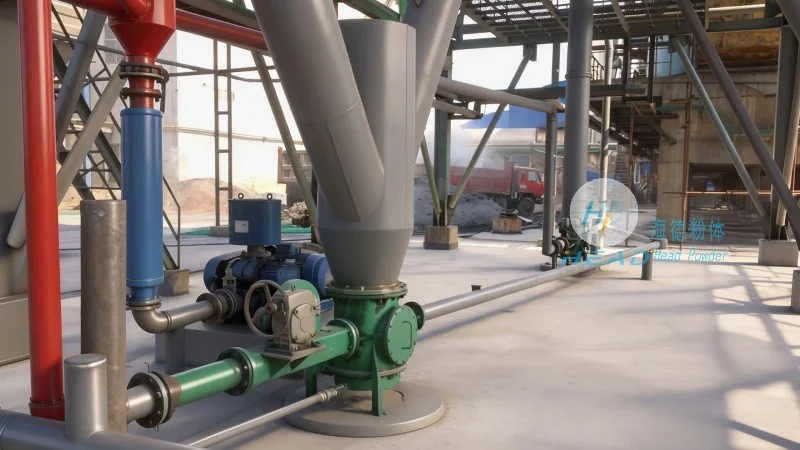
Application Ranges of Gelatin Pneumatic Conveying Systems
Gelatin pneumatic conveying systems find wide applications across various industries, particularly in the food, pharmaceutical, and chemical sectors. In the food industry, these systems are commonly used for transporting gelatin used in the production of confectionery, beverages, and dietary supplements. The gentle handling provided by pneumatic conveying minimizes product degradation, preserving the quality and flavor of the gelatin. For example, in the production of gummy candies, gelatin is a key ingredient, and pneumatic conveying ensures that the material is transferred without breaking down the gelatin's molecular structure, maintaining the desired texture and taste. In the pharmaceutical industry, gelatin is used in the manufacturing of capsules and tablets, and pneumatic conveying systems ensure that the material is transferred hygienically and without contamination, meeting stringent regulatory requirements. The systems are designed to operate in cleanroom environments, with sealed components and HEPA filters to prevent cross-contamination. The chemical industry also benefits from gelatin pneumatic conveying systems, as they are used to transport gelatin-based products in research and development laboratories and production facilities. The versatility of these systems allows them to handle different gelatin types, including powdered, granular, and liquid forms, making them suitable for a broad range of applications. For instance, in chemical research, gelatin is used as a stabilizer in emulsions, and pneumatic conveying systems help to transfer the material to reactors without causing emulsion breakdown. Overall, the application ranges of gelatin pneumatic conveying systems are extensive, reflecting their adaptability to diverse industrial needs and their role in enhancing production efficiency and product quality.