

Types, Features, and Applications of Lime Powder Pneumatic Conveying Systems
For industrial and commercial applications, the efficient and reliable transport of bulk materials like lime powder is crucial. Pneumatic conveying systems have emerged as a preferred solution due to their ability to handle fine powders with minimal dust and environmental impact. This article explores the various types of lime powder pneumatic conveying systems, their key features, and the diverse application ranges where they are utilized.
Introduction to Lime Powder Pneumatic Conveying
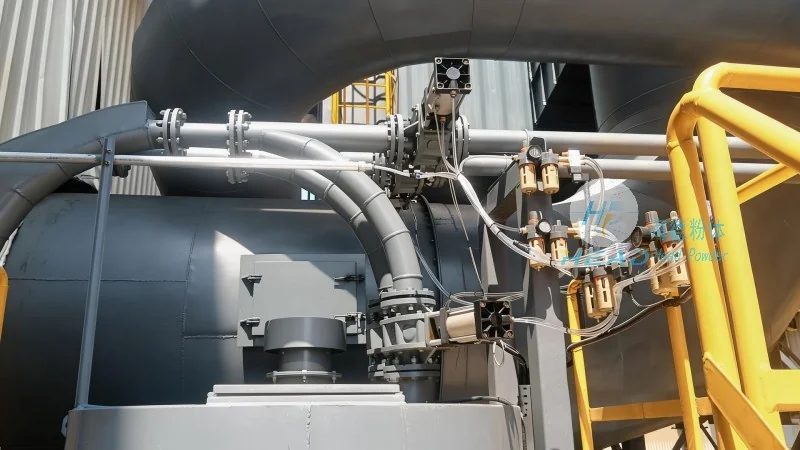
Lime powder, a common industrial material used in processes such as flue gas desulfurization, water treatment, and construction, requires specialized handling to ensure safety and operational efficiency. Pneumatic conveying systems use air or gas to transport the powder through pipelines, eliminating the need for mechanical components that may cause contamination or wear. The choice of system type depends on factors like material properties, distance, and environmental regulations, making it essential to understand the different options available.
Key Players: Shandong HeadPowder Engineering Co., Ltd.
HeadPowder, a leading manufacturer based in Shandong, China, specializes in the design, development, and implementation of advanced pneumatic conveying solutions. With years of experience in the industry, HeadPowder has established itself as a trusted partner for businesses seeking reliable and efficient material handling systems. The company’s commitment to quality and innovation ensures that their products meet the highest standards, providing long-term performance and durability.
Types of Lime Powder Pneumatic Conveying Systems
There are primarily three types of pneumatic conveying systems used for lime powder: positive pressure, negative pressure, and hybrid systems. Each type has distinct characteristics that make it suitable for specific operational needs.
Positive Pressure Conveying Systems
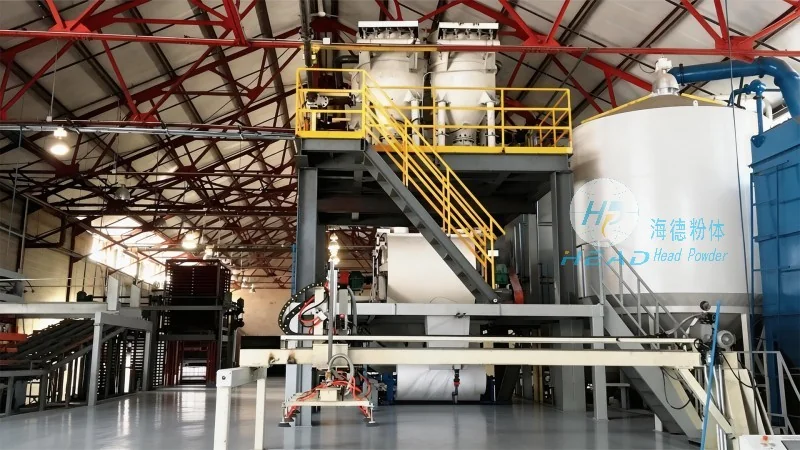
Positive pressure systems operate by blowing air or gas into the conveying line, creating a pressure higher than the ambient air. This method is ideal for transporting materials over long distances and through complex piping networks. The high pressure ensures that the powder is consistently moved without clogging, making it suitable for high-volume applications. However, positive pressure systems require robust filtration and exhaust systems to manage the air emissions, which may be a consideration in industrial settings.
Negative Pressure Conveying Systems
Negative pressure systems, also known as vacuum conveying, draw the material into the system using a vacuum created by a fan or pump. This approach is well-suited for applications where the material needs to be transported from multiple sources or over shorter distances. The low pressure environment reduces the risk of dust dispersion, making it a popular choice for indoor or enclosed environments. Negative pressure systems are often more compact and require less space compared to positive pressure systems, but they may have limitations in terms of material capacity and distance.
Hybrid Conveying Systems
Hybrid systems combine elements of both positive and negative pressure, offering flexibility and efficiency. These systems can operate in either mode depending on the operational requirements, allowing for adaptability in varying conditions. For instance, a hybrid system might use positive pressure for the initial transport and negative pressure for the final delivery, optimizing energy use and material flow. This versatility makes hybrid systems suitable for complex applications where multiple transport stages are involved.
Key Features of Lime Powder Pneumatic Conveying Systems
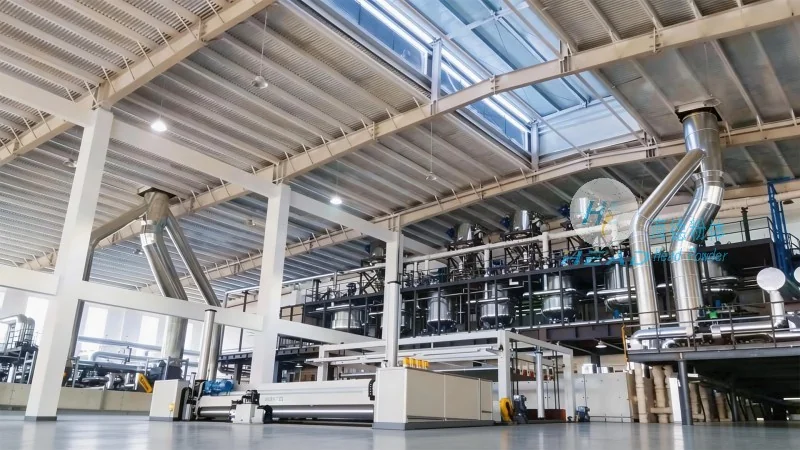
Regardless of the system type, modern lime powder pneumatic conveying systems share several key features that enhance performance and reliability. These features include:
- Advanced Filtration: High-efficiency filters are used to capture fine particles and prevent dust from escaping into the environment, ensuring compliance with environmental regulations.
- Material Handling Flexibility: Systems are designed to handle a wide range of particle sizes and moisture content, making them adaptable to different lime powder compositions.
- Energy Efficiency: Optimized air flow and pressure control reduce energy consumption, lowering operational costs over time.
- Easy Maintenance: Modular components and accessible design simplify maintenance and repairs, minimizing downtime.
- Customization: HeadPowder offers tailored solutions to meet specific customer requirements, ensuring that the system aligns with the operational needs of the facility.
Application Ranges of Lime Powder Pneumatic Conveying Systems
Lime powder pneumatic conveying systems are widely used across various industries due to their versatility and efficiency. The primary application ranges include:
Industrial Processes
In the chemical and power industries, lime powder is used for flue gas desulfurization (FGD) to reduce sulfur dioxide emissions. Pneumatic conveying systems efficiently transport the lime powder to the desulfurization units, ensuring consistent and reliable operation. The systems also play a role in water treatment plants, where lime is used to adjust pH levels and remove impurities from wastewater.
Construction and Building Materials
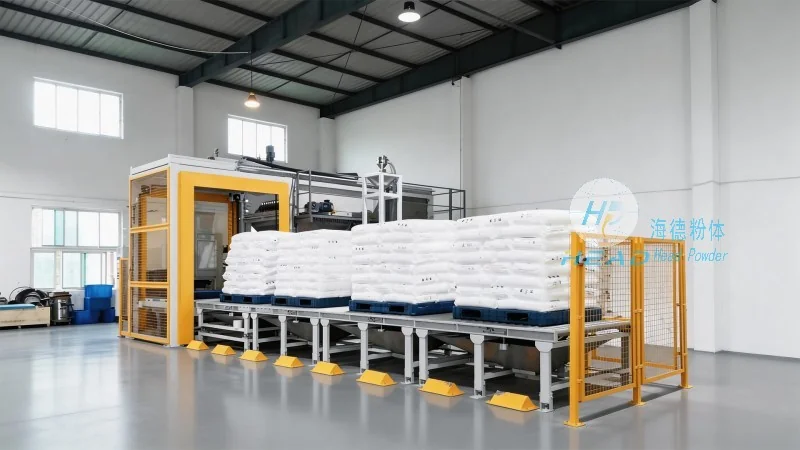
Lime powder is a key component in the production of cement, plaster, and other building materials. Pneumatic conveying systems facilitate the transport of lime from storage silos to processing equipment, improving production efficiency and reducing manual handling risks. The systems are also used in construction sites for the delivery of lime-based products to job sites.
Agricultural and Environmental Applications
In agriculture, lime powder is used to neutralize acidic soil and improve soil fertility. Pneumatic conveying systems enable the precise application of lime to fields, ensuring uniform distribution and optimal results. Additionally, in environmental remediation projects, lime is used to neutralize acidic spills or contaminated water, and the systems help in the efficient transport of lime to the treatment sites.
Conclusion
Pneumatic conveying systems for lime powder offer significant advantages in terms of efficiency, safety, and environmental compliance. The choice of system type depends on the specific application requirements, with positive pressure, negative pressure, and hybrid systems each providing unique benefits. HeadPowder, with its expertise and commitment to quality, provides reliable solutions that meet the diverse needs of industries worldwide. By understanding the types, features, and applications of these systems, businesses can make informed decisions to enhance their material handling processes and achieve operational excellence.