

Classification and Application Analysis of Molybdenum Trioxide Pneumatic Conveying Systems
For industrial operations dealing with molybdenum trioxide (MoO₃), efficient material handling is crucial to ensure process reliability and operational efficiency. Pneumatic conveying systems have emerged as a key technology for transporting MoO₃, offering advantages such as dust control, low maintenance, and the ability to handle fine powders. This article provides a comprehensive classification and application analysis of molybdenum trioxide pneumatic conveying systems, focusing on the technical aspects, operational considerations, and practical implementations in industrial settings. The content is presented by Shandong HeadPowder Engineering Co., Ltd., a leading provider of material handling solutions based in Shandong, China.
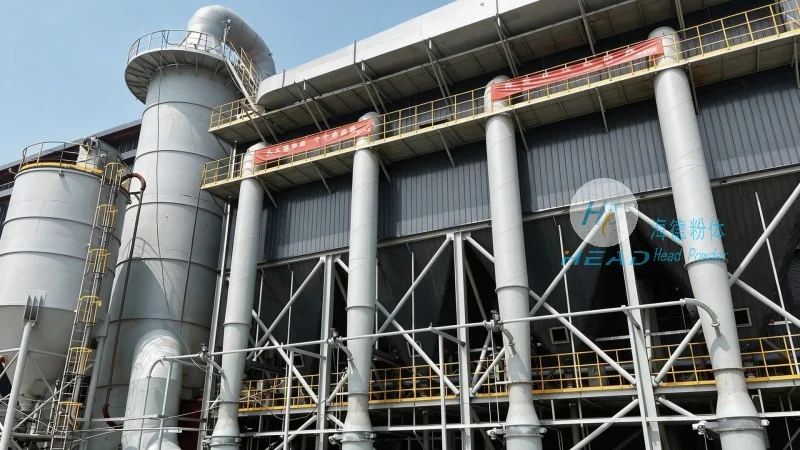
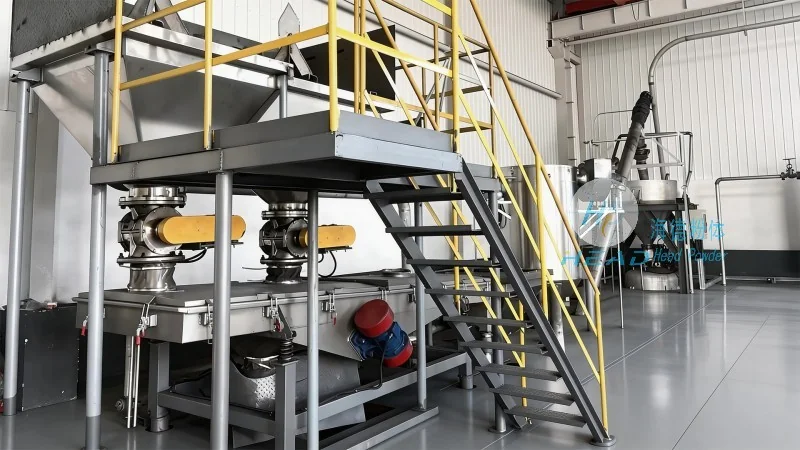
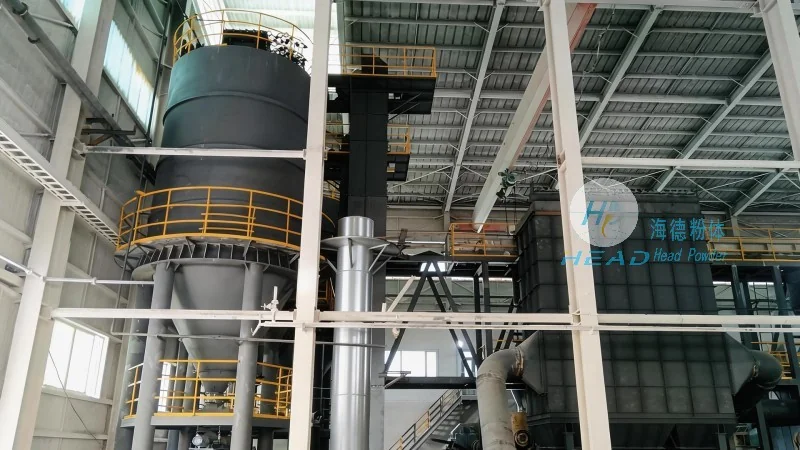
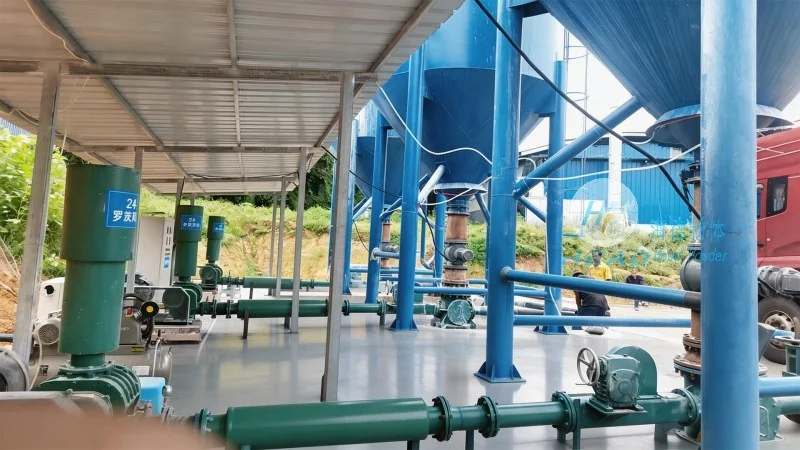
Overview of Molybdenum Trioxide Pneumatic Conveying Systems
Molybdenum trioxide, a critical raw material in the production of molybdenum compounds and alloys, is often handled as a fine powder. Traditional methods like bucket elevators or belt conveyors may pose challenges due to dust generation and material degradation. Pneumatic conveying systems provide a solution by using air to transport the powder, reducing the risk of contamination and improving safety. These systems are categorized based on the conveying principle, such as pressure or vacuum, and the design of the conveying line.