

Classification and Application Analysis of Wood Fiber Pneumatic Conveying Systems
Wood fiber pneumatic conveying systems represent a critical technology in the wood processing industry, enabling the efficient and reliable transport of wood-based materials. These systems utilize air as the primary medium to move wood fibers, sawdust, and other wood particles through pipelines. By leveraging air pressure, these systems offer a non-contact method of material handling, which minimizes product damage and preserves the quality of the wood fibers. This approach is particularly advantageous in industries where maintaining the integrity of the material is paramount, such as in pulp and paper manufacturing, wood panel production, and sawmilling operations.
Classification of Pneumatic Conveying Systems for Wood Fibers
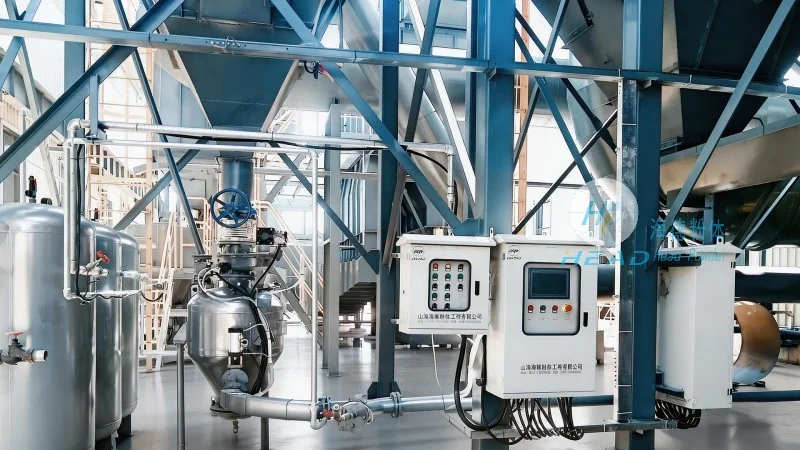
Wood fiber pneumatic conveying systems can be broadly classified into two main categories based on the pressure differential used: positive pressure systems and negative pressure (or vacuum) systems. Positive pressure systems operate by blowing air into the conveying line, which propels the material forward. This method is suitable for short to medium distance transport and is commonly used for handling dry wood fibers. On the other hand, negative pressure systems create a vacuum in the conveying line, drawing the material into the system. These systems are ideal for longer distances and are often used when the material is heavier or contains more moisture.
Positive Pressure Conveying Systems
Positive pressure pneumatic conveying systems are widely adopted in wood processing facilities due to their simplicity and efficiency. The system consists of a blower, a hopper, and a pipeline network. The blower generates high-pressure air that is introduced into the hopper, where the wood fibers are fed. The air then carries the material through the pipeline to the destination point, such as a storage silo or processing equipment. This type of system is particularly effective for transporting light materials like sawdust and wood chips over short to medium distances. The gentle air flow minimizes particle breakage and ensures that the wood fibers retain their original size and shape, which is crucial for downstream processes like papermaking or panel manufacturing.
Negative Pressure (Vacuum) Conveying Systems
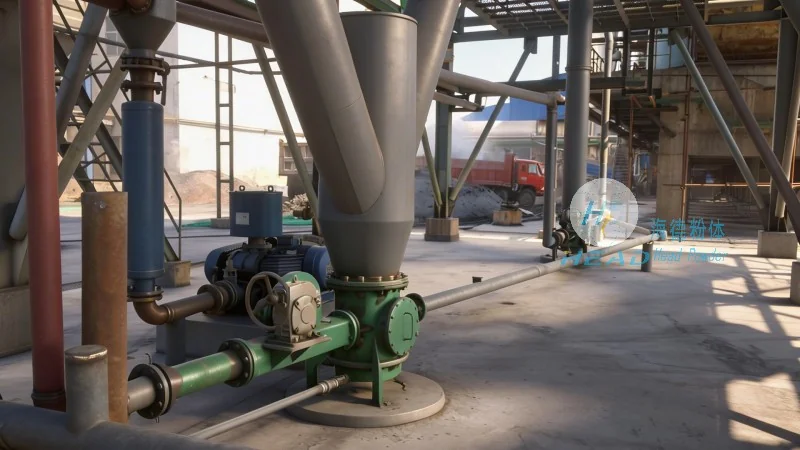
Negative pressure systems, also known as vacuum conveying systems, are designed to draw material into the pipeline using a vacuum created by a vacuum pump. The system typically includes a vacuum pump, a hopper, and a collection point. The vacuum pump creates a low-pressure environment in the pipeline, which pulls the material from the hopper into the system. This method is advantageous for longer transport distances and for handling heavier or more abrasive wood fibers. Negative pressure systems are often used in applications where the material needs to be transported from multiple sources to a central processing unit. They are also effective in preventing dust emissions and maintaining a clean working environment, as the material is drawn into the system rather than being expelled.
Applications in the Wood Processing Industry
Wood fiber pneumatic conveying systems are integral to various stages of the wood processing industry. In sawmills, these systems are used to transport sawdust and wood chips from the cutting and milling areas to storage silos or to the next processing stage. This ensures a continuous flow of material, reducing bottlenecks and improving overall productivity. In pulp and paper mills, the systems are essential for moving wood pulp from the pulping stage to the papermaking machinery. The consistent supply of wood pulp is critical for maintaining the quality and consistency of the final paper products. Additionally, in wood-based panel manufacturing, such as particle board or fiberboard production, pneumatic conveying systems facilitate the transport of wood fibers to the mixing and forming equipment. This allows for precise control over the fiber distribution, which directly impacts the final product's strength and density.
About Shandong HeadPowder Engineering Co., Ltd.
Shandong HeadPowder Engineering Co., Ltd., operating under the brand name HeadPowder, is a leading provider of advanced pneumatic conveying solutions tailored for wood fiber applications. With a strong commitment to innovation and customer satisfaction, HeadPowder specializes in designing, manufacturing, and installing customized systems that meet the unique requirements of wood processing facilities. The company's team of engineers and technicians brings extensive experience in the wood industry, enabling them to develop efficient and reliable systems that enhance operational efficiency and product quality. HeadPowder's services include system design, material handling analysis, equipment selection, and comprehensive installation and commissioning. The company also offers ongoing maintenance and support to ensure the longevity and optimal performance of the conveying systems.
Advantages of Wood Fiber Pneumatic Conveying Systems
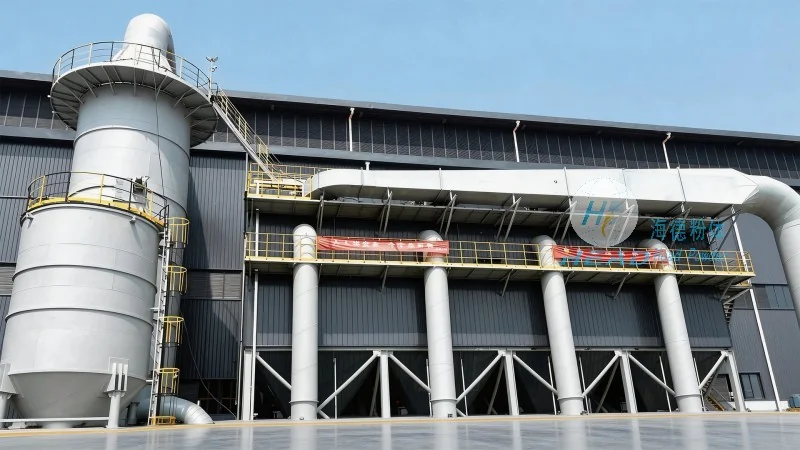
Compared to traditional mechanical conveying methods, wood fiber pneumatic conveying systems offer several key advantages. First, they eliminate the need for moving parts in the conveying line, which reduces maintenance costs and downtime. Mechanical systems often require regular lubrication and part replacement, whereas pneumatic systems have fewer moving components, leading to lower operational expenses. Second, pneumatic systems are highly versatile and can handle a wide range of wood fiber sizes and moisture contents. This flexibility allows them to be used in various applications, from transporting fine sawdust to larger wood chips. Third, the non-contact nature of pneumatic conveying minimizes product contamination and dust accumulation. This is particularly important in industries where product purity is critical, such as in the production of high-quality paper or wood panels. Additionally, pneumatic systems are effective in preventing material degradation, as the gentle air flow prevents excessive friction and heat generation.
Implementation and Maintenance Considerations
Implementing a wood fiber pneumatic conveying system requires careful planning and consideration of several factors. The first step is to analyze the material characteristics, including particle size, moisture content, and density. This information is crucial for determining the appropriate system type and pressure requirements. The distance between the source and destination points also plays a significant role in system design, as it affects the choice between positive and negative pressure systems. For short distances, positive pressure systems are often preferred, while negative pressure systems are more suitable for longer distances. Another critical consideration is the system's air pressure and flow rate, which must be optimized to ensure efficient material transport without causing excessive wear on the equipment.
HeadPowder provides comprehensive support throughout the system implementation process. The company's engineers work closely with clients to understand their specific needs and design a system that maximizes efficiency and minimizes costs. During installation, the team ensures that all components are properly assembled and tested to meet performance standards. Regular maintenance is essential to maintain the system's optimal operation. This includes checking air pressure, cleaning filters, and inspecting pipeline components for any signs of wear or damage. HeadPowder offers maintenance contracts and technical support to help clients keep their systems running smoothly and extend their lifespan. By following proper maintenance procedures, clients can ensure that their pneumatic conveying systems continue to deliver reliable performance and contribute to the overall productivity of their wood processing operations.