

Classification and Application Analysis of Carbonaceous Particle Pneumatic Conveying Systems
Carbonaceous particle pneumatic conveying systems represent a critical technology in industrial material handling, enabling the efficient transport of carbon-based materials through air or gas flow. These systems offer distinct advantages over traditional mechanical conveying methods, including reduced equipment wear, flexibility in layout, and the ability to handle a wide spectrum of particle sizes and densities. Understanding the classification, operational principles, and diverse applications of such systems is essential for optimizing material transport processes in various industrial sectors.
Classification of Carbonaceous Particle Pneumatic Conveying Systems
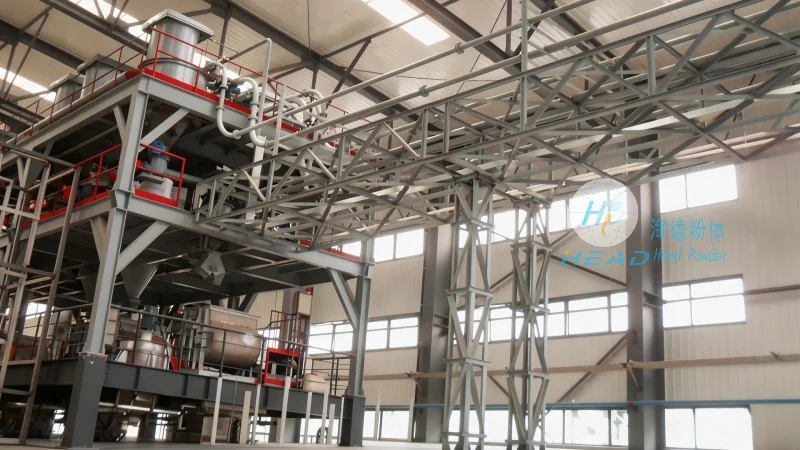
Carbonaceous particle pneumatic conveying systems are primarily categorized into dilute phase and dense phase systems, each tailored to specific operational requirements and material characteristics. Dilute phase systems operate at higher air velocities (typically 20-30 m/s) and are suitable for short to medium conveying distances, handling fine to medium-sized particles like carbon black or graphite powder. Dense phase systems, conversely, operate at lower velocities (5-15 m/s) and are employed for longer distances or when transporting abrasive or valuable carbonaceous materials, such as carbon-based ores or specialty powders. Within these main categories, sub-types include pressure (blow-through) systems, vacuum (suction) systems, and combined systems that integrate both pressure and vacuum capabilities, providing enhanced flexibility for complex material handling scenarios.
Key Components and Operational Mechanics
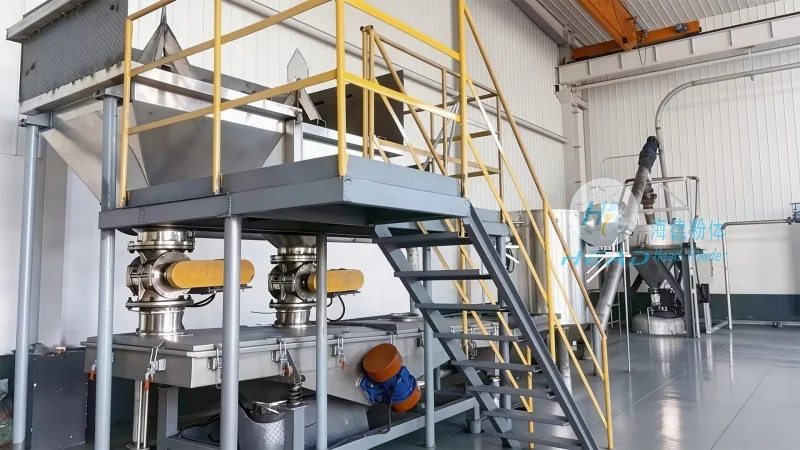
The fundamental components of a carbonaceous particle pneumatic conveying system include the material feed hopper, air or gas source (blower or compressor), conveying pipeline, and discharge device. The system functions by introducing air into the material stream, creating a mixture that is then propelled through the pipeline. The velocity and pressure of the air directly influence the conveying capacity and efficiency. For carbonaceous particles, which may exhibit varying degrees of abrasiveness or moisture content, system design must account for factors like particle size distribution, flow rate, and air quality to prevent blockages, ensure consistent transport, and minimize energy consumption. Advanced systems may incorporate features such as pulse-jet cleaning, air filtration, and pressure regulation to maintain optimal performance.
Industrial Applications and Case Studies
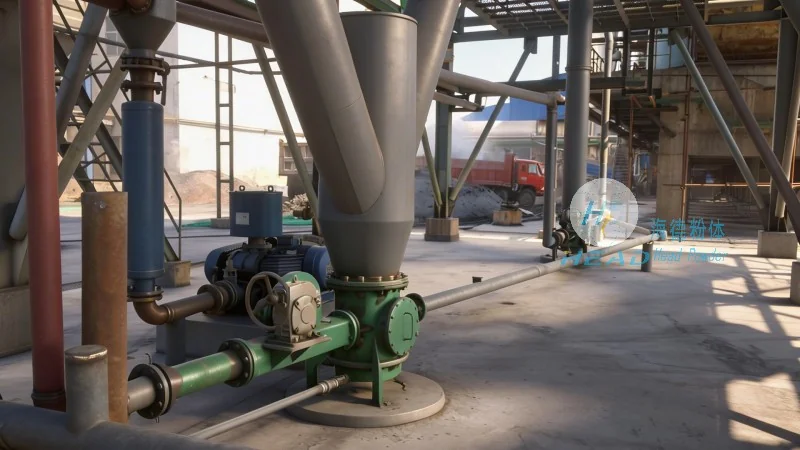
Carbonaceous particle pneumatic conveying systems find widespread application across multiple industries, each leveraging the technology for unique material handling needs. In the chemical industry, these systems are extensively used for transporting carbon black, graphite, and other fine powders used in rubber compounding, plastic manufacturing, and battery production. The food and beverage sector employs them for handling carbon-based colorants or additives, ensuring hygienic and efficient processing while maintaining product quality. In the pharmaceutical industry, the systems are utilized for transporting carbon-based excipients or active ingredients, adhering to stringent regulatory standards for purity and consistency. Additionally, in the mining and mineral processing industries, they are critical for conveying carbonaceous ores or byproducts, optimizing material recovery and reducing operational costs. Real-world applications demonstrate the system's ability to handle high volumes of material while minimizing downtime and maintenance requirements.
Advantages and Considerations for Carbonaceous Particle Handling
One of the primary advantages of carbonaceous particle pneumatic conveying systems is their ability to handle abrasive or corrosive materials without causing significant wear to system components. This is particularly beneficial for carbon-based particles, which may be hard or have a tendency to cause friction. Another key advantage is the system's flexibility, allowing for adjustments in material flow rates, pipeline configurations, or operational modes to accommodate changing production demands. However, several considerations must be addressed to ensure optimal performance. These include the particle size distribution, moisture content, and air quality, as well as the system's ability to prevent particle degradation or agglomeration. Proper system design, regular maintenance, and monitoring of air pressure and flow rates are essential to mitigate risks such as blockages, energy inefficiencies, or equipment failure.
Company Overview: Shandong HeadPowder Engineering Co., Ltd.
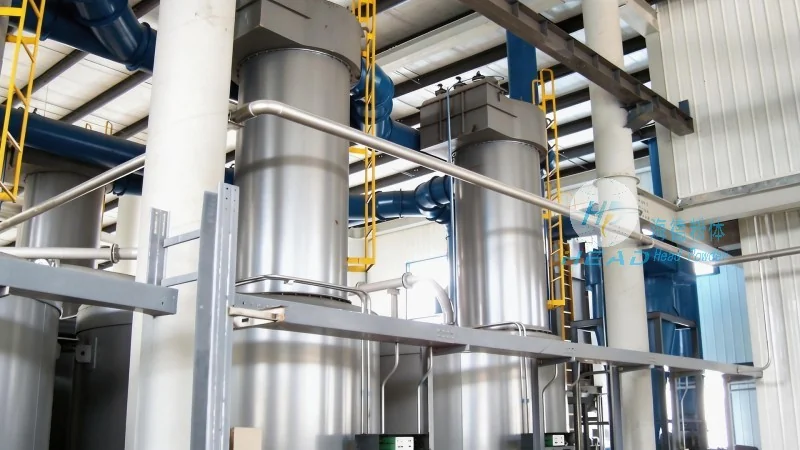
Shandong HeadPowder Engineering Co., Ltd., operating under the brand name headpowder, is a leading provider of advanced pneumatic conveying solutions specializing in carbonaceous particle handling. With a strong focus on innovation and customer-centric design, the company offers customized systems tailored to the unique needs of industrial clients. Headpowder's engineering team leverages decades of industry experience to develop high-performance systems that meet stringent quality and safety standards. The company's headquarters is located in Shandong, China, where it maintains a state-of-the-art research and development facility dedicated to advancing material handling technologies. By combining expertise in system design, manufacturing, and installation, headpowder delivers reliable, efficient, and cost-effective solutions that enhance operational productivity and sustainability for its clients across various industries.