

Classification and Application Analysis of Calcium Hydroxide Powder Pneumatic Conveying Systems
Calcium hydroxide, commonly known as slaked lime, is a widely used chemical in various industrial applications. The efficient and reliable transportation of calcium hydroxide powder from production sites to processing or storage facilities is crucial for maintaining production efficiency and product quality. Pneumatic conveying systems have emerged as a preferred method for handling this powder due to their ability to transport materials in a closed system, minimizing dust exposure and environmental impact. This article provides an overview of the classification of calcium hydroxide powder pneumatic conveying systems and their practical applications in industrial settings.
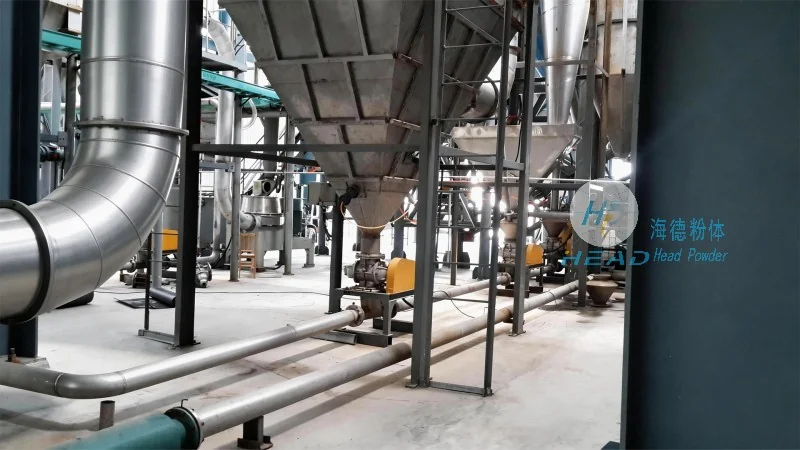
Classification of Pneumatic Conveying Systems for Calcium Hydroxide Powder
There are primarily two main categories of pneumatic conveying systems used for calcium hydroxide powder: dilute-phase and dense-phase systems. Each type has distinct characteristics and is suitable for different operational requirements.
Dilute-phase pneumatic conveying systems operate by transporting the powder in a low concentration of solid particles suspended in air. These systems typically use high-velocity air to move the material through a pipeline. They are suitable for long-distance transport and are often used when the material is non-abrasive and requires minimal pressure drop. The system components include a blower, a hopper, a feeder, and a pipeline network. The blower provides the necessary air pressure to move the powder, while the feeder controls the flow rate of the material. The pipeline design is critical to ensure smooth flow and prevent blockages.
Dense-phase pneumatic conveying systems, on the other hand, transport the powder in a high concentration of solid particles, often at a lower velocity compared to dilute-phase systems. This method is particularly effective for handling abrasive or sensitive materials, as it reduces the impact and friction on the pipeline components. Dense-phase systems are commonly used for short to medium distance transport and when the material needs to be delivered gently to avoid degradation. The system typically includes a positive displacement blower or a compressor, a hopper, a feeder, and a pressure vessel. The feeder injects the powder into the pipeline under pressure, and the air is introduced to maintain the flow and prevent clogging.
Key Components and Design Considerations for Calcium Hydroxide Powder Pneumatic Conveying Systems
The performance and efficiency of a pneumatic conveying system for calcium hydroxide powder depend on several key components and design factors. Proper selection and configuration of these components are essential to ensure optimal operation and longevity of the system.
Firstly, the blower or compressor is a critical component that provides the necessary air pressure and flow rate. For dilute-phase systems, a centrifugal blower is commonly used due to its ability to handle large volumes of air at moderate pressures. In dense-phase systems, a positive displacement blower or a rotary lobe blower is preferred as it can generate higher pressures and maintain consistent flow rates. The choice of blower type depends on the specific application requirements, such as the distance to be covered and the material characteristics.
Secondly, the hopper and feeder are essential for controlling the flow of calcium hydroxide powder. The hopper is designed to store the material and provide a consistent feed to the feeder. It is typically equipped with a cone or a hopper bottom to facilitate material discharge. The feeder, which can be a rotary valve, a screw feeder, or a vibratory feeder, regulates the amount of powder entering the pipeline. For calcium hydroxide powder, which can be cohesive or prone to bridging, a vibratory feeder or a rotary valve with a special design is often used to prevent blockages and ensure smooth flow.
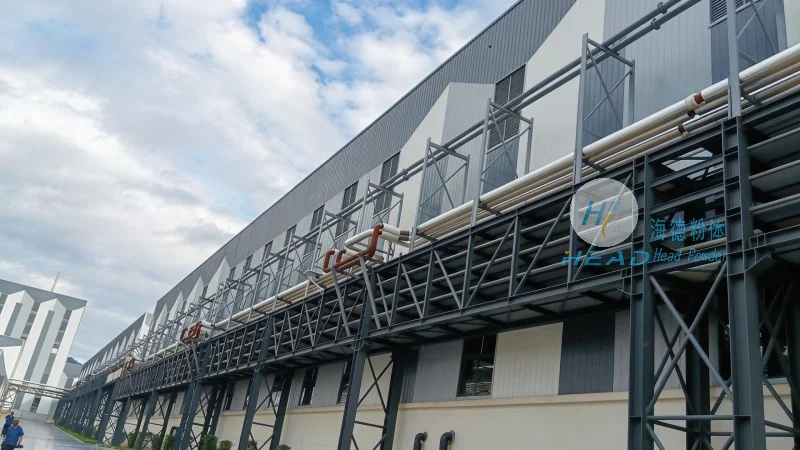
Thirdly, the pipeline network is a crucial part of the system, as it determines the path and efficiency of the material transport. The pipeline material is usually made of stainless steel or plastic, depending on the material's corrosiveness and abrasiveness. Stainless steel is preferred for its durability and resistance to corrosion, while plastic pipes are suitable for non-abrasive materials. The pipeline diameter and length are carefully selected to minimize pressure drop and ensure the material reaches the destination without excessive energy consumption. Additionally, the pipeline is equipped with bends, elbows, and straight sections to guide the flow and prevent turbulence or clogging.
Applications of Calcium Hydroxide Powder Pneumatic Conveying Systems
The versatility of calcium hydroxide powder makes it applicable in various industries, and the pneumatic conveying systems are tailored to meet the specific needs of each application.
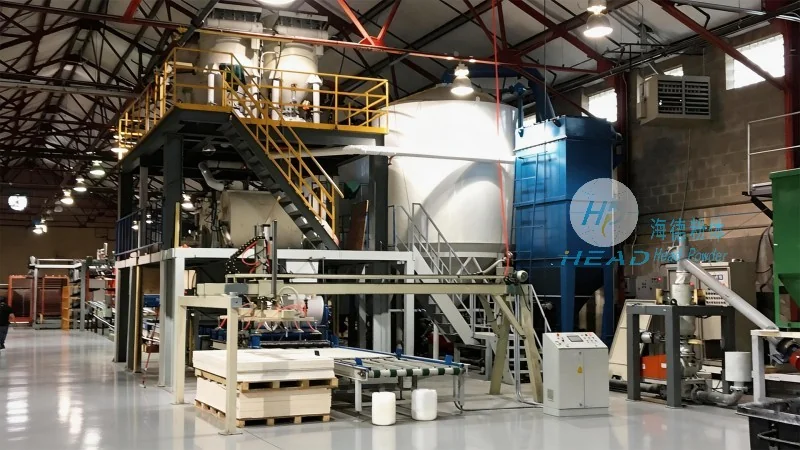
In the construction industry, calcium hydroxide is used as a component in cement and mortar. Pneumatic conveying systems are used to transport the powder from storage silos to mixing plants or batching stations. This method ensures a consistent and accurate dosage of the material, which is crucial for maintaining the quality of the final product. The closed system also prevents dust from contaminating the environment and the workers.
In the chemical industry, calcium hydroxide is used in the production of other chemicals, such as calcium chloride and calcium carbonate. Pneumatic conveying systems are used to transport the powder from the production line to storage tanks or to other processing units. The system's ability to handle large volumes of material efficiently reduces production downtime and improves overall productivity.
In the environmental sector, calcium hydroxide is used for water treatment and soil remediation. Pneumatic conveying systems are used to transport the powder to treatment facilities or to the sites where it is applied. This method allows for precise application of the material, ensuring effective treatment and minimal waste. The closed system also helps in controlling the dust and preventing environmental pollution.
Advantages and Challenges of Calcium Hydroxide Powder Pneumatic Conveying Systems
While pneumatic conveying systems offer several advantages, they also present some challenges that need to be addressed for optimal performance.
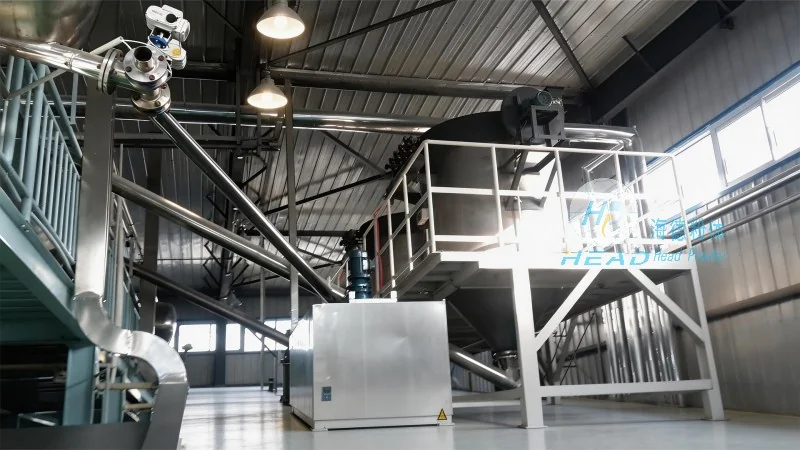
One of the main advantages is the ability to transport calcium hydroxide powder in a closed system, which minimizes dust exposure and environmental impact. This is particularly important for calcium hydroxide, which can be a respiratory irritant if inhaled. The closed system also helps in maintaining the purity of the material and preventing contamination from external sources.
Another advantage is the flexibility of the system. Pneumatic conveying systems can be easily modified or expanded to accommodate changes in production volume or process requirements. The system components can be added or removed as needed, making it adaptable to different industrial settings.
However, there are also challenges associated with pneumatic conveying systems. One of the main challenges is the potential for clogging or blockages in the pipeline, especially when handling cohesive or abrasive materials like calcium hydroxide powder. This can lead to system downtime and increased maintenance costs. Another challenge is the energy consumption, as pneumatic conveying systems require a significant amount of air pressure and flow rate to move the material. Proper system design and maintenance are essential to minimize energy consumption and maximize efficiency.
Conclusion
Calcium hydroxide powder pneumatic conveying systems are an essential part of many industrial processes, providing efficient and reliable transportation of this important chemical. The classification of these systems into dilute-phase and dense-phase categories allows for selection based on specific operational requirements. Proper design and configuration of the system components, including the blower, hopper, feeder, and pipeline network, are crucial for optimal performance. The applications of these systems span across various industries, including construction, chemicals, and environmental treatment, highlighting their versatility and importance. While there are challenges such as clogging and energy consumption, advancements in technology and system design have helped to mitigate these issues, making pneumatic conveying systems a preferred choice for calcium hydroxide powder transport.