

Classification and Application Analysis of Pneumatic Conveying Systems for Lithium-Ion Battery Posit
In the rapidly evolving field of lithium-ion battery technology, the efficient and reliable transportation of positive and negative electrode materials is a critical factor influencing production efficiency and product quality. Pneumatic conveying systems have emerged as a key solution for handling these materials, offering advantages such as dust-free operation, low maintenance, and the ability to transport materials over long distances. This article provides a comprehensive classification of pneumatic conveying systems used in lithium-ion battery manufacturing and analyzes their practical applications.
Classification of Pneumatic Conveying Systems
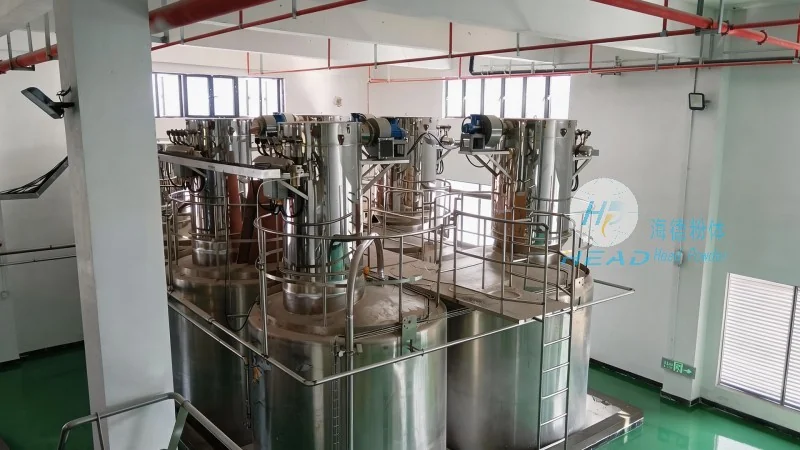
Pneumatic conveying systems for lithium-ion battery electrode materials can be broadly categorized into two main types: dilute-phase and dense-phase systems. Dilute-phase systems, including pressure and vacuum conveying, are suitable for transporting materials with low dust content and relatively low particle size. These systems use air as the conveying medium, with particles suspended in the air stream. Dense-phase systems, on the other hand, operate by compressing the material into a dense phase, often using a combination of pressure and vacuum, which is ideal for handling materials that are prone to agglomeration or have high dust content. Each type has its own advantages and is selected based on the specific characteristics of the electrode material and the production requirements.
Key Components and Working Principles
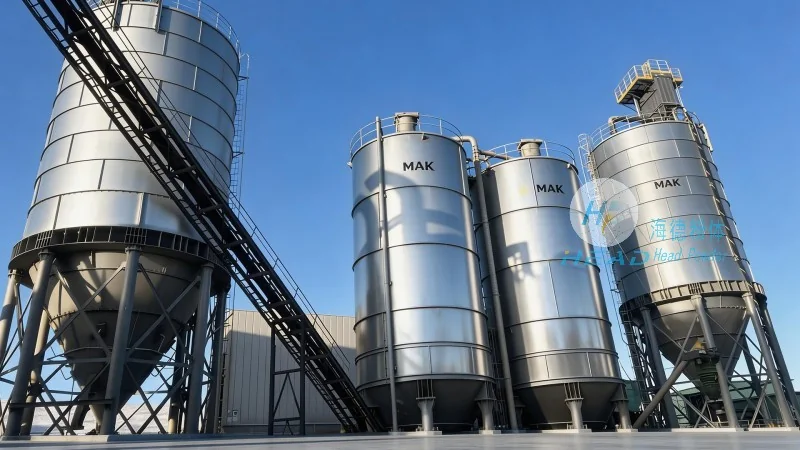
Regardless of the type, pneumatic conveying systems for battery materials typically consist of several key components. These include a material feed hopper, a conveyor line (often equipped with filters and cyclones to separate particles from air), a control system, and a dust collection system. The working principle involves feeding the electrode material into the system, where it is mixed with air and conveyed through the pipeline. In dilute-phase systems, the material is suspended in the air stream and transported to the destination. In dense-phase systems, the material is compressed and moved in a plug-like flow, which reduces the risk of material degradation and ensures a more uniform flow. The control system monitors and adjusts the air pressure, flow rate, and material feed rate to maintain optimal operation.
Application Analysis in Lithium-Ion Battery Production
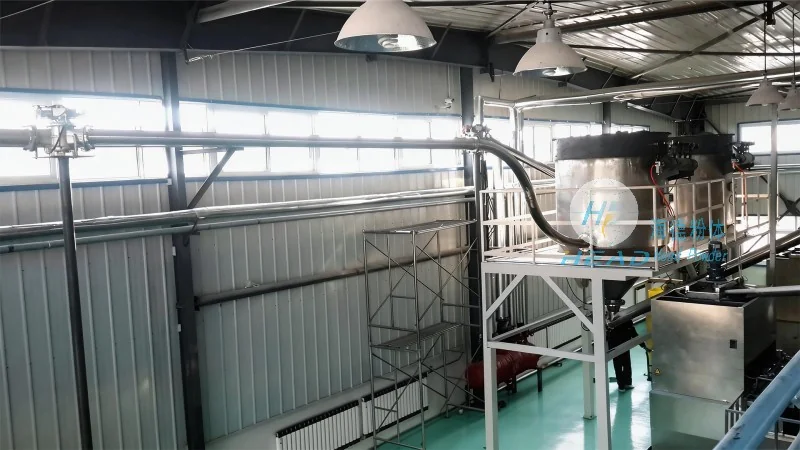
The application of pneumatic conveying systems in lithium-ion battery production varies depending on the stage of material processing. For example, in the mixing and coating stages, dilute-phase systems are commonly used to transport raw materials such as graphite, lithium cobalt oxide (LCO), and lithium iron phosphate (LFP) to the mixing equipment. These systems ensure that the materials are delivered in a controlled manner, maintaining consistent particle size and moisture content. In the electrode manufacturing stage, dense-phase systems are often employed to transport the mixed electrode slurry to the coating machines. This is crucial for preventing material agglomeration and ensuring a smooth coating process. Additionally, pneumatic conveying systems are used in the quality control and packaging stages to transport finished electrode sheets or pellets to storage areas. The choice of system type and configuration is critical to achieving high production efficiency and minimizing material loss or contamination.
Advantages and Challenges of Pneumatic Conveying Systems
Pneumatic conveying systems offer several advantages for lithium-ion battery material handling. These include the ability to handle a wide range of materials, including powders and granules, with minimal human intervention. The systems are also relatively compact and can be integrated into existing production lines, reducing the need for additional space. Furthermore, pneumatic conveying is a dust-free process, which is essential for maintaining a clean and safe working environment in battery manufacturing facilities. However, there are also challenges associated with these systems. For instance, the high air consumption and energy requirements can increase operational costs. Additionally, the design and maintenance of the system require specialized knowledge to ensure optimal performance and prevent equipment failure. Proper maintenance, including regular cleaning of filters and cyclones, is essential to maintain the efficiency of the system and prevent material blockages.
About Shandong HeadPowder Engineering Co., Ltd.
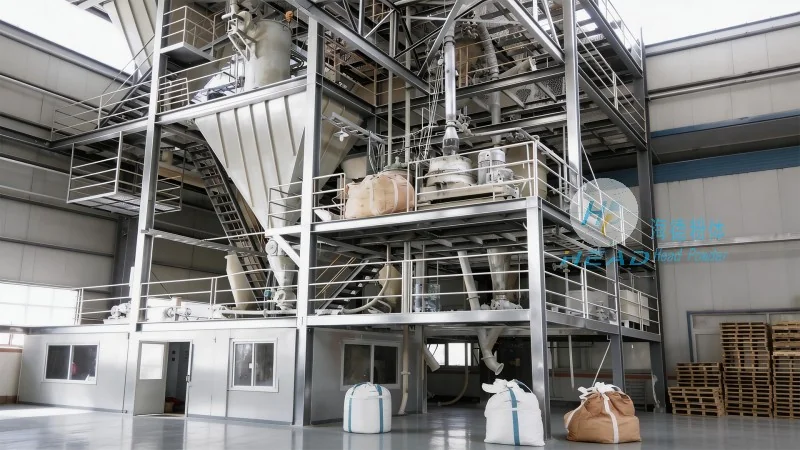
Shandong HeadPowder Engineering Co., Ltd., operating under the brand name headpowder, is a leading provider of pneumatic conveying solutions for the lithium-ion battery industry. With years of experience in the field, the company specializes in designing and manufacturing customized pneumatic conveying systems tailored to the specific needs of battery manufacturers. The company's team of engineers and technicians work closely with clients to understand their production requirements and develop solutions that enhance efficiency and product quality. HeadPowder's systems are known for their reliability, durability, and energy efficiency, making them a preferred choice for battery manufacturers worldwide. The company's commitment to innovation and customer satisfaction has helped it establish a strong reputation in the industry, with a focus on providing high-quality products and excellent after-sales service.