

What is Cocoa Powder Pneumatic Conveying? And Its Design Principles?
Cocoa powder, a crucial ingredient in the food and beverage sector, demands efficient and reliable transportation methods to preserve its quality and prevent degradation. Pneumatic conveying systems have become a preferred solution for handling cocoa powder due to their ability to transport powders in a controlled environment. This article explores the concept of cocoa powder pneumatic conveying and delves into the underlying design principles that make such systems effective, with a focus on solutions provided by Shandong HeadPowder Engineering Co., Ltd., commonly known as headpowder.
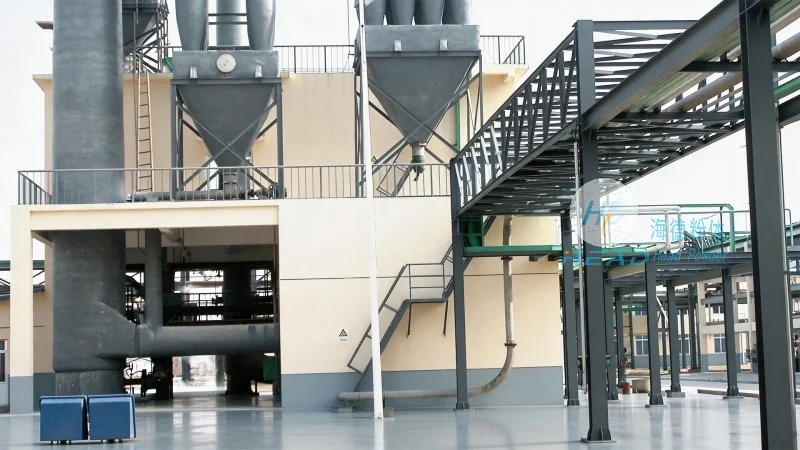
Understanding Cocoa Powder Pneumatic Conveying
Pneumatic conveying involves the use of air or gas to transport solid materials like cocoa powder through a pipeline system. Unlike traditional mechanical conveying methods, which rely on belts or screws, pneumatic systems utilize pressure differentials to move the material. This method is particularly advantageous for cocoa powder because it is light, fine, and sensitive to moisture and temperature changes. The gentle handling of the powder ensures that its texture, flavor, and nutritional properties are preserved during transport, making it ideal for food-grade applications.
The Core Components of a Pneumatic Conveying System
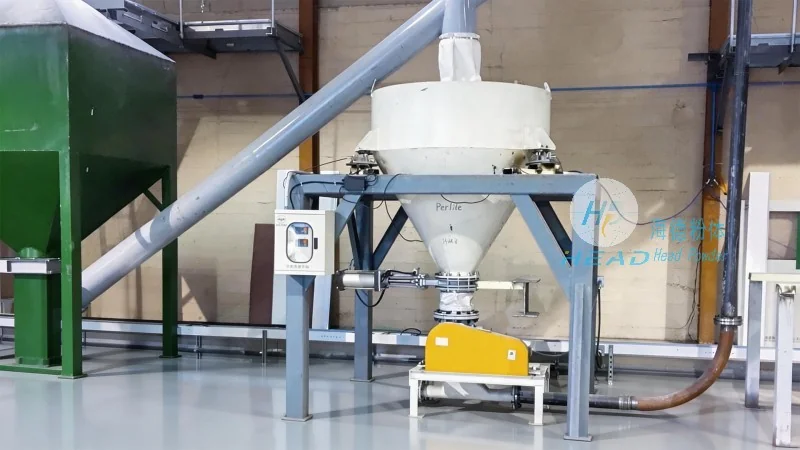
A typical cocoa powder pneumatic conveying system consists of several key components that work in tandem to achieve efficient material transport. These components include the hopper or feed hopper, which holds the cocoa powder and feeds it into the system; the conveyor line, which is the main pipeline through which the powder travels; the air compressor or blower, which generates the necessary air pressure; and the control valves and filters that regulate the air flow and ensure clean operation. Each component is carefully designed to handle the specific characteristics of cocoa powder, ensuring minimal degradation and maximum efficiency.
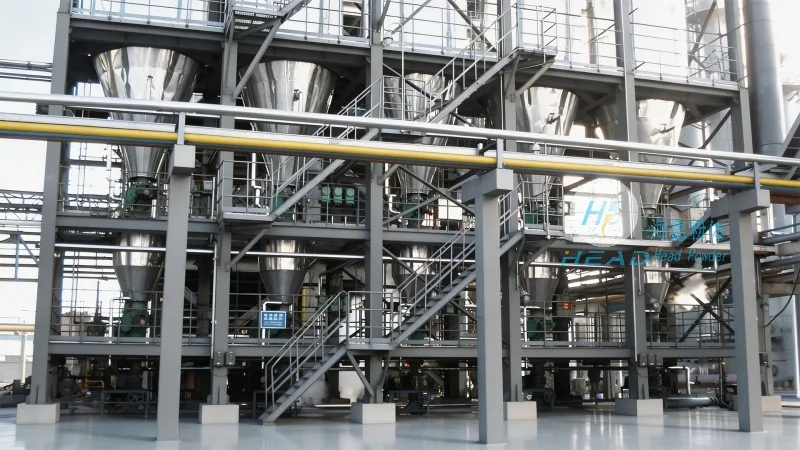
Design Principles for Optimal Performance
The design of a cocoa powder pneumatic conveying system is critical to its performance and efficiency. Several key principles guide the engineering of these systems. First, the system must be designed to minimize pressure drops along the conveyor line to reduce energy consumption and maintain consistent flow rates. This is achieved by selecting appropriate pipe diameters, using smooth internal surfaces, and avoiding sharp bends or obstructions that could cause blockages or increase friction. Second, the system must account for the fine particle size of cocoa powder, ensuring that the air flow rate is optimized to prevent excessive particle velocity that could lead to degradation or system inefficiencies.
Material Handling Considerations
Handling cocoa powder requires special considerations due to its fine particle size and tendency to agglomerate. The design of the hopper and feed mechanism is crucial to prevent clogging and ensure a steady flow of material. Some systems use vibrators or agitators to break up agglomerates and maintain a consistent feed rate. Additionally, the air flow rate must be carefully controlled to prevent the powder from being carried too quickly, which could lead to particle degradation or system inefficiencies. These considerations are essential for maintaining the quality of the cocoa powder throughout the transport process.
Energy Efficiency and Maintenance
Efficient energy use is a significant consideration in the design of cocoa powder pneumatic conveying systems. Modern systems often incorporate energy-saving features such as variable frequency drives (VFDs) for the air compressor, which adjust the air pressure based on the actual demand. This not only reduces energy consumption but also extends the lifespan of the system components. Regular maintenance is also essential to ensure the system operates at peak efficiency. This includes cleaning filters, checking for leaks in the air system, and inspecting the conveyor line for any signs of wear or damage. Proper maintenance can significantly reduce downtime and operational costs.
Application in the Food Industry
Cocoa powder pneumatic conveying systems are widely used in the food processing industry, particularly in chocolate manufacturing and confectionery production. These systems enable manufacturers to transport cocoa powder from storage silos to processing lines, blending facilities, or packaging areas without the need for manual handling. The ability to maintain product integrity and prevent contamination makes pneumatic conveying an ideal choice for food-grade applications. By using these systems, manufacturers can ensure consistent product quality and meet stringent regulatory requirements for food safety.
Conclusion
In summary, cocoa powder pneumatic conveying is a sophisticated and effective method for transporting fine powders like cocoa powder. The design principles that underpin these systems focus on gentle handling, efficient air flow, and material-specific considerations to ensure optimal performance. By understanding these principles and implementing the appropriate components, manufacturers can achieve reliable, efficient, and cost-effective transport of cocoa powder, contributing to the overall quality and consistency of their products. Shandong HeadPowder Engineering Co., Ltd. specializes in designing and manufacturing such systems, providing tailored solutions to meet the unique needs of the food industry.