

What is a Cotton Fiber Pneumatic Conveying System? And What Are Its Design Principles?
Understanding the cotton fiber pneumatic conveying system is crucial for industries dealing with raw cotton processing. This system efficiently transports cotton fibers from one location to another using air pressure, offering a solution to traditional material handling challenges. The design principles behind such systems are centered on optimizing air flow, material flow, and system efficiency to ensure reliable operation in various industrial applications.
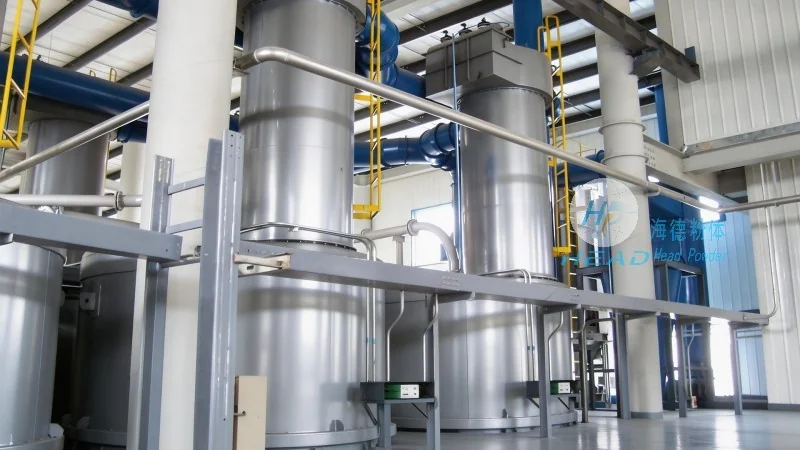
Introduction to Cotton Fiber Pneumatic Conveying Systems
A cotton fiber pneumatic conveying system is a specialized equipment setup designed to transport loose cotton fibers through a pipeline using compressed air. Unlike traditional mechanical conveyors, this system relies on the force of air to move materials, which is particularly advantageous for handling delicate or lightweight materials like cotton. The primary components of a typical system include a hopper for material storage, a blower or air compressor to generate the necessary air pressure, a pipeline network to guide the material flow, and a receiver or discharge point where the cotton is deposited. Each component works in tandem to ensure smooth and continuous operation, minimizing material loss and operational downtime.
Key Design Principles of Cotton Fiber Pneumatic Conveying Systems
The design of a cotton fiber pneumatic conveying system is guided by several critical principles to achieve optimal performance. First, the system must ensure adequate air velocity to maintain the material in suspension within the pipeline. This is achieved by calculating the appropriate air volume and pressure based on the material's characteristics, such as its density and particle size. Second, the pipeline design is crucial; it needs to be sized and configured to minimize pressure drop and prevent material deposition or blockages. The use of smooth, corrosion-resistant materials for the pipeline, such as stainless steel or high-quality plastic, is essential to maintain the integrity of the cotton fibers and prevent contamination. Third, the system incorporates features to control air flow and material flow, including valves, filters, and check valves, which help regulate the conveying process and prevent backflow or air leakage. These design elements collectively contribute to the system's efficiency, reliability, and longevity.
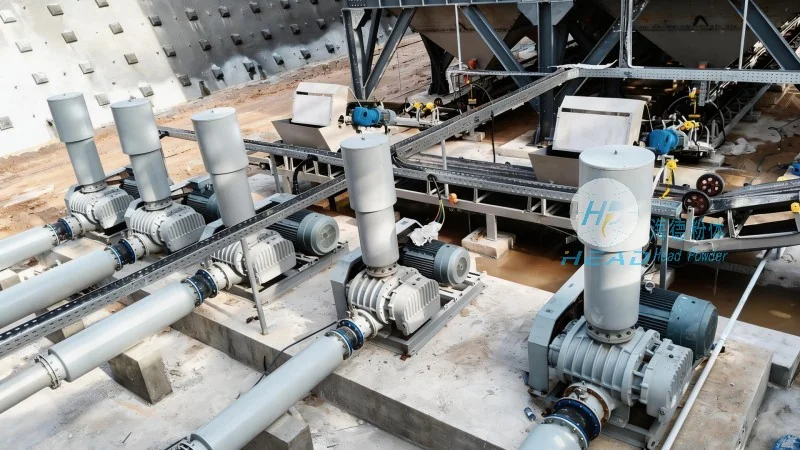
Components and Their Functions in a Cotton Fiber Pneumatic Conveying System
Each component of a cotton fiber pneumatic conveying system plays a vital role in its overall functionality. The hopper serves as the storage and feeding unit, where raw cotton is loaded and fed into the system. It is designed to maintain a consistent material level and prevent overfilling, which could lead to uneven conveying. The blower or air compressor is the heart of the system, generating the compressed air required to move the cotton fibers. The choice of blower type—such as positive displacement or centrifugal—depends on the system's capacity and the material's properties. The pipeline network connects the hopper to the discharge point and may include bends, elbows, and straight sections, all of which are carefully designed to maintain air velocity and prevent pressure losses. The receiver or discharge unit collects the conveyed cotton and may include a filter to remove any air or debris, ensuring the final product is clean and free from contaminants. Additionally, the system may include monitoring and control devices, such as pressure gauges and flow meters, to track performance and make adjustments as needed.
Advantages of Using a Cotton Fiber Pneumatic Conveying System
Implementing a cotton fiber pneumatic conveying system offers several advantages over traditional material handling methods. One of the most significant benefits is the reduction in labor costs, as the system automates the entire conveying process, eliminating the need for manual handling. This also minimizes the risk of material damage or contamination, which is critical for maintaining the quality of cotton fibers. The system's compact design allows for easy integration into existing production lines, saving space and reducing installation costs. Furthermore, the system operates with minimal noise and vibration, contributing to a safer and more comfortable working environment. The ability to convey materials over long distances without the need for multiple transfer points also enhances operational efficiency and reduces downtime. These advantages make the cotton fiber pneumatic conveying system a preferred choice for industries focused on efficiency, quality, and cost-effectiveness.
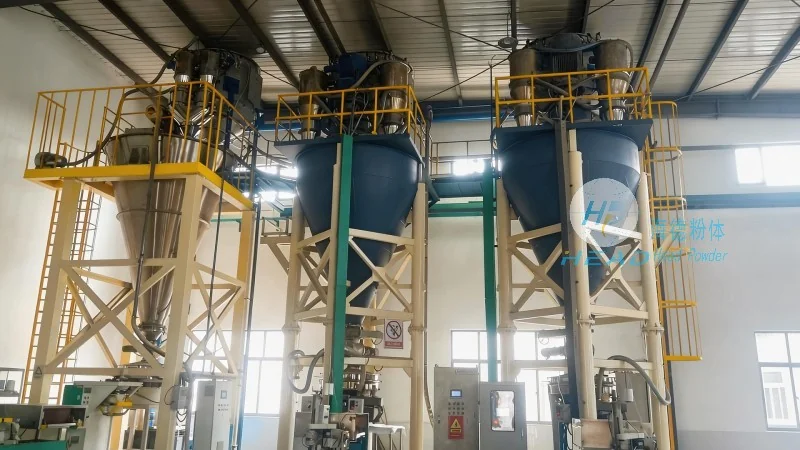
Applications and Industries Utilizing Cotton Fiber Pneumatic Conveying Systems
Cotton fiber pneumatic conveying systems are widely used in various industries that process raw cotton into finished products. The textile industry, for example, relies on these systems to transport cotton from storage facilities to processing machines, such as carding and spinning equipment. The agricultural sector also uses them for transporting harvested cotton from fields to processing plants, ensuring efficient collection and handling. Additionally, the system is used in the production of cotton-based products like cottonseed oil and cottonseed meal, where the material needs to be conveyed from storage to processing units. The versatility of the system allows it to adapt to different production scales, from small-scale operations to large industrial facilities. Its ability to handle varying material loads and flow rates makes it suitable for both batch and continuous production processes, further enhancing its applicability across multiple industries.
Conclusion and Company Overview
In conclusion, a cotton fiber pneumatic conveying system is a sophisticated and efficient solution for transporting cotton fibers in industrial settings. Its design principles, centered on optimal air flow and material handling, ensure reliable operation and high performance. The system's components work together seamlessly to achieve consistent and continuous conveying, minimizing material loss and operational challenges. For industries seeking to improve their material handling processes, the cotton fiber pneumatic conveying system offers a robust and effective solution. HeadPowder, a leading provider in this field, specializes in designing and manufacturing such systems tailored to meet the specific needs of their clients. With a focus on quality and innovation, HeadPowder ensures that their systems deliver optimal performance and longevity, supporting the growth and success of their clients' operations. HeadPowder is committed to providing reliable and efficient solutions for cotton fiber processing, serving clients across China with expertise and dedication. The company's headquarters is located in Shandong, China, where they continue to advance their technology and expand their services to meet the evolving needs of the industry.