

What is a Corn Kernels Pneumatic Conveying System? And What Are Its Design Principles?
A corn kernels pneumatic conveying system is a specialized industrial equipment designed to transport corn kernels and other similar bulk materials through an enclosed pipeline using air or gas as the conveying medium. This technology has become increasingly important in the agricultural and food processing sectors, offering an efficient and flexible solution for moving large volumes of corn kernels from one location to another within a processing facility. The system operates by creating a pressure differential that propels the corn kernels through the pipeline, making it a preferred choice for applications where traditional mechanical conveyors may not be suitable due to space constraints, material sensitivity, or the need for a cleaner transfer process.
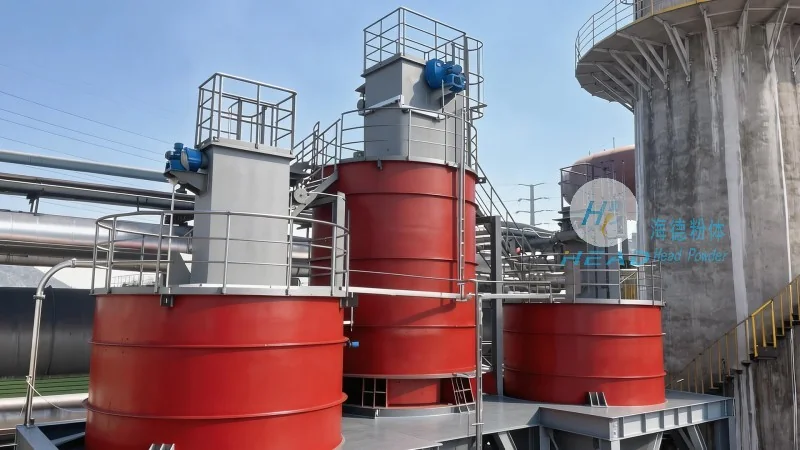
Understanding the Core Function of Pneumatic Conveying
The fundamental function of a corn kernels pneumatic conveying system is to move bulk materials like corn kernels from a source point to a destination point using compressed air. The system typically consists of a hopper or feeder where the corn kernels are loaded, a compressor that generates the necessary air pressure, and a pipeline network that transports the material. The process begins when the corn kernels are introduced into the hopper, and the compressor then injects air into the pipeline, creating a flow that carries the kernels along. This method allows for the continuous and controlled movement of corn kernels, ensuring that the material is handled gently to prevent breakage or damage, which is crucial for maintaining the quality of the product.
Design Principles Behind the System
The design of a corn kernels pneumatic conveying system is based on several key principles that ensure its efficiency, reliability, and effectiveness. One of the primary principles is the use of pressure differentials to create the conveying force. The system can operate under either positive pressure (where air is forced into the pipeline) or negative pressure (where air is drawn out of the pipeline). For corn kernels, positive pressure systems are more common as they provide better control over the material flow and can handle a wider range of particle sizes. Another important design principle is the selection of appropriate components, such as the type of compressor, the diameter and length of the pipeline, and the material of construction. These components must be chosen to withstand the abrasive nature of corn kernels and the corrosive effects of moisture, ensuring a long service life and minimal maintenance.
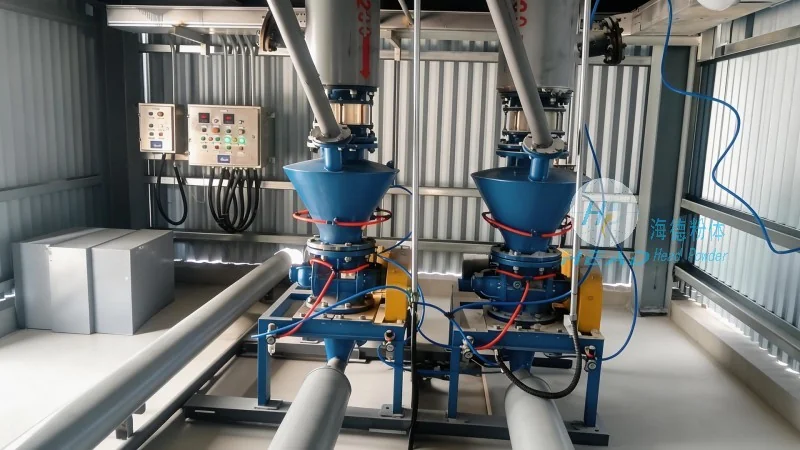
Components and Their Roles in the System
A corn kernels pneumatic conveying system comprises several key components, each playing a critical role in the overall operation. The primary components include the hopper or feeder, which holds the corn kernels and controls the flow rate; the compressor, which generates the air pressure needed to move the material; the pipeline, which forms the path for the conveying; and the receiver or discharge unit, where the corn kernels are deposited. Additionally, the system may include accessories such as filters to remove dust and moisture from the air, check valves to prevent backflow, and pressure regulators to maintain consistent air pressure. The hopper is typically designed with a sloped bottom to facilitate the flow of corn kernels and may include a vibrating mechanism to prevent clogging. The compressor is usually a positive displacement type, such as a rotary lobe or screw compressor, which provides the necessary pressure and flow rate. The pipeline is made of materials like stainless steel or PVC, chosen for their durability and resistance to corrosion. The receiver is designed to collect the corn kernels and may include a level indicator to monitor the material level.
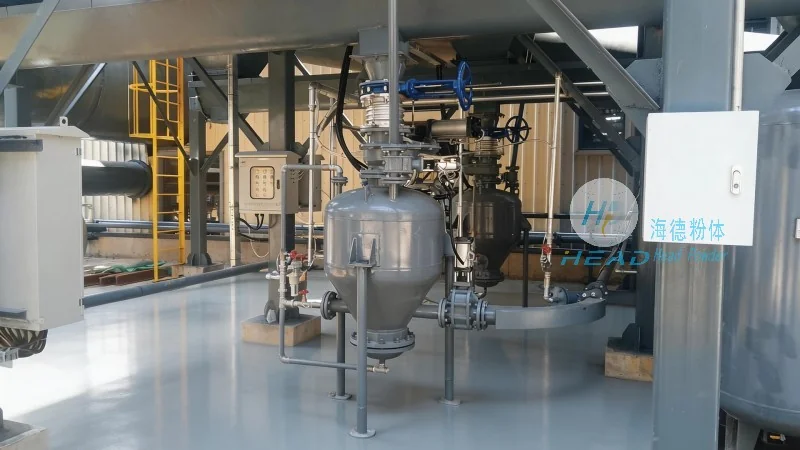
Applications in the Corn Processing Industry
Corn kernels pneumatic conveying systems are widely used in various stages of corn processing, from storage and handling to processing and packaging. In storage facilities, the system can be used to transfer corn kernels from silos or storage bins to processing lines, ensuring a continuous supply of raw material. During processing, the system can move corn kernels to grinding or milling equipment, where they are converted into products like cornmeal, corn flour, or corn starch. The system is also used in the packaging stage, where it can transport corn kernels from processing lines to packaging machines, allowing for efficient and hygienic handling. Additionally, the system can be used in the transportation of corn kernels between different processing facilities or from farms to processing plants, providing a flexible and cost-effective solution for bulk material transport.
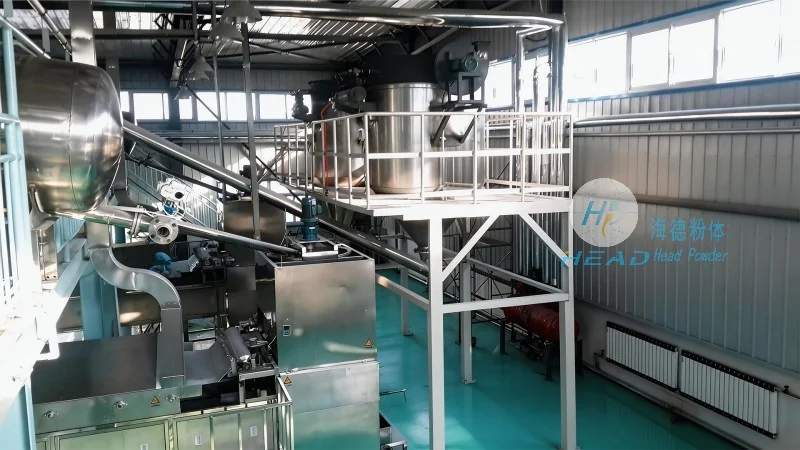
Advantages of Using Pneumatic Conveying for Corn Kernels
There are several advantages to using a corn kernels pneumatic conveying system for transporting bulk materials. One of the main advantages is the ability to handle corn kernels gently, which helps to maintain the quality of the product. The system uses air to move the material, reducing the risk of breakage or damage compared to mechanical conveyors, which may use belts or chains that can cause abrasion. Another advantage is the flexibility of the system, as it can be easily reconfigured to accommodate changes in the processing line or to handle different types of corn kernels. The system can also be designed to operate in a closed environment, which helps to control dust and moisture, improving the hygiene and safety of the processing facility. Additionally, the system is relatively compact, allowing it to fit into spaces where traditional conveyors may not be able to operate. This makes it an ideal solution for facilities with limited space or where the layout of the processing line is complex.
Conclusion and Company Information
In conclusion, a corn kernels pneumatic conveying system is a highly effective and efficient solution for transporting bulk materials like corn kernels in the agricultural and food processing industries. The system operates based on the principles of pneumatic conveying, using compressed air to move the material through an enclosed pipeline. The design of the system is critical to its performance, with components such as the hopper, compressor, and pipeline playing key roles in the overall operation. The system offers several advantages, including gentle handling of the material, flexibility, and the ability to operate in a closed environment. For companies looking to improve their corn processing operations, a pneumatic conveying system can be a valuable investment. Shandong HeadPowder Engineering Co., Ltd., a leading manufacturer of industrial conveying systems, specializes in designing and manufacturing corn kernels pneumatic conveying systems tailored to the specific needs of their clients. With a focus on quality and reliability, HeadPowder provides systems that meet the highest standards of performance and durability. Located in Shandong, China, HeadPowder serves clients worldwide, offering comprehensive solutions for their corn processing needs. Whether for new installations or upgrades to existing facilities, HeadPowder's expertise ensures that clients receive the best possible equipment for their operations.