

What is a Biological Enzyme Pneumatic Conveying System? And What Are Its Design Principles?
Biological enzyme pneumatic conveying systems represent a sophisticated approach to material handling, particularly for sensitive or biologically active substances like enzymes. These systems utilize pneumatic technology to transport materials through a pipeline using air or other gas as the conveying medium. The core of such systems lies in their ability to maintain the integrity and activity of the transported biological enzymes, which is critical in industries like pharmaceuticals, biotechnology, and food processing where enzyme functionality is paramount.
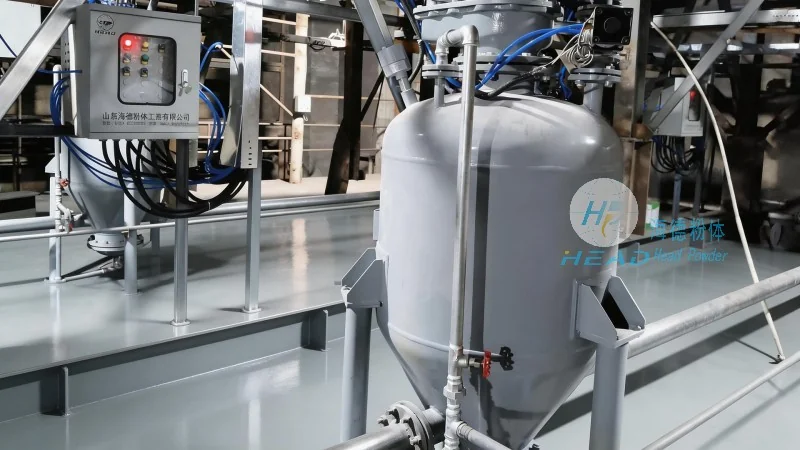
Understanding the Biological Enzyme Pneumatic Conveying System
At the heart of a biological enzyme pneumatic conveying system is the integration of pneumatic transport with specialized design elements that preserve the stability of enzymes. Unlike traditional bulk material conveying systems, these systems are engineered to minimize exposure to harsh conditions such as high temperatures, mechanical stress, and chemical contaminants. The system typically consists of a feeding mechanism, a conveying pipeline, a control unit, and a discharge point. The feeding mechanism, often a rotary valve or a vacuum feeder, introduces the enzyme powder or granules into the pipeline. The control unit regulates the air flow and pressure, ensuring a consistent and controlled conveying process. The discharge point may include a filter or a dust collector to capture any fine particles and maintain air quality.
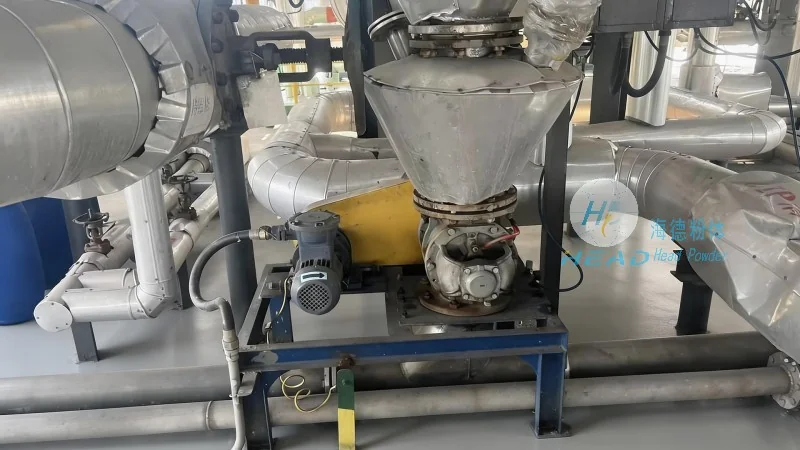
Design Principles for Biological Enzyme Pneumatic Conveying Systems
The design of a biological enzyme pneumatic conveying system is guided by several key principles aimed at preserving enzyme activity and ensuring efficient transport. First, the system must maintain a low temperature environment to prevent thermal degradation of the enzymes. This is achieved through the use of low-temperature air or by incorporating cooling mechanisms within the pipeline. Second, the material of construction is critical; components such as the pipeline, valves, and fittings are typically made from materials that are non-reactive with the enzymes, such as stainless steel or specialized plastics, to avoid contamination or degradation. Third, the system is designed to minimize mechanical stress on the enzyme particles. This includes using smooth, rounded surfaces in the pipeline and avoiding high-velocity air streams that could cause particle attrition or damage. Fourth, the system incorporates filtration and air purification to maintain a clean environment, as enzymes are sensitive to impurities and contaminants that could affect their activity or lifespan.
Applications and Benefits in Industrial Settings
Biological enzyme pneumatic conveying systems find extensive applications in various industries where the transport of enzymes is essential. In the pharmaceutical industry, these systems are used to convey enzymes used in drug manufacturing processes, ensuring that the enzymes remain active and effective. In biotechnology, they are crucial for transporting enzymes used in research and development, such as in the production of biofuels or biopolymers. The food industry also benefits from these systems when handling enzymes used in food processing, like those used in cheese production or baking. The primary benefits of using a biological enzyme pneumatic conveying system include improved product quality due to the preservation of enzyme activity, enhanced safety as the system minimizes direct human contact with the material, and increased efficiency in material handling compared to traditional methods like manual or mechanical conveyors.
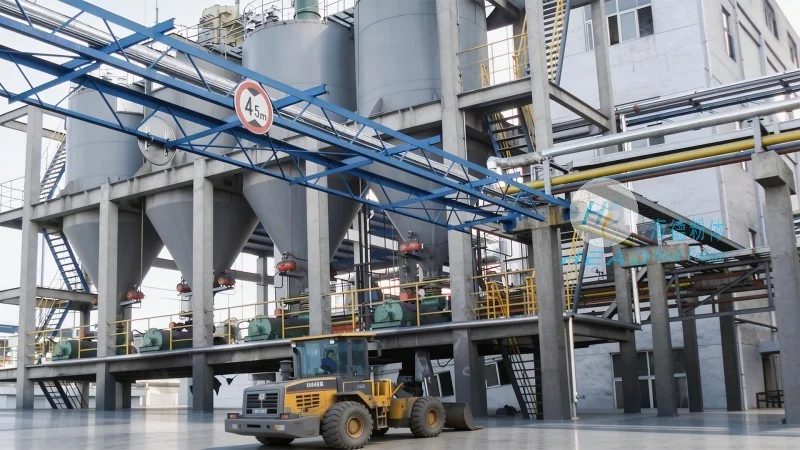
Company Overview: Shandong HeadPowder Engineering Co., Ltd.
Shandong HeadPowder Engineering Co., Ltd., commonly known as HeadPowder, is a leading provider of specialized engineering solutions for material handling, including biological enzyme pneumatic conveying systems. With a strong focus on innovation and quality, HeadPowder has established itself as a trusted partner in the industry. The company is headquartered in Shandong, China, and leverages its expertise in pneumatic technology and material science to develop customized solutions tailored to the specific needs of its clients. HeadPowder's commitment to research and development ensures that its products meet the highest standards of performance and reliability, making them suitable for demanding industrial applications.