

What is a urea granule pneumatic conveying system? What are its design principles?
Urea granule pneumatic conveying systems are specialized industrial equipment designed to transport urea granules through a pipeline using air or other gas as the conveying medium. This technology is widely used in the fertilizer industry to efficiently move urea granules from storage silos to processing units, packaging lines, or other destinations. The system operates by creating a pressure differential that propels the urea granules through the pipeline, ensuring a continuous and reliable flow of material. The design of such systems is critical to ensure optimal performance, minimal material degradation, and energy efficiency. Typically, urea granules have a particle size ranging from 1 to 3 millimeters and a density of approximately 0.9 to 1.0 g/cm³, which influences the selection of pipeline diameter, air velocity, and blower capacity. The system must be tailored to handle these specific physical properties to prevent blockages and maintain consistent conveying rates.
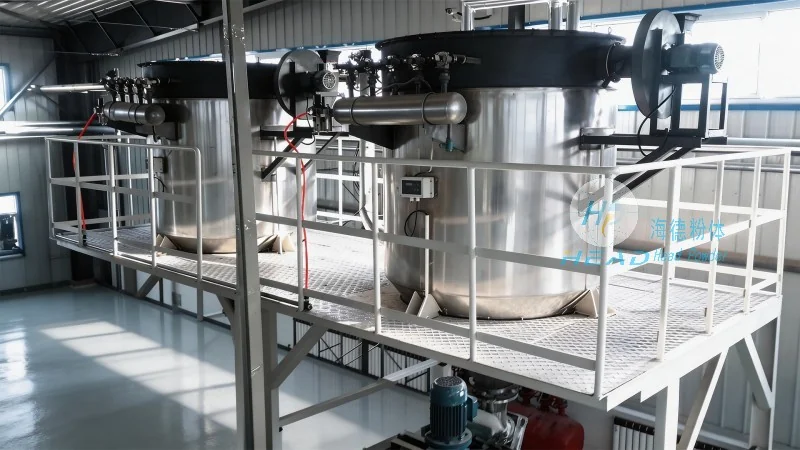
Key Design Principles of Urea Granule Pneumatic Conveying Systems
The design of a urea granule pneumatic conveying system involves several key principles that ensure its effectiveness and reliability. First, the system must be capable of handling the specific physical properties of urea granules, such as their size, density, and flow characteristics. The pipeline design, including the diameter and material of the pipes, is tailored to prevent blockages and ensure smooth material movement. Second, the air or gas flow rate is carefully controlled to maintain a consistent conveying velocity, which is essential for preventing material degradation and ensuring uniform distribution. Third, the system incorporates features like pulse or rotary airlocks to control the flow of urea granules at the discharge points, preventing backflow and maintaining system pressure. Additionally, the system is designed with safety features to handle potential dust explosions, such as explosion-proof motors and proper venting systems. The overall design aims to balance efficiency, durability, and safety, making it suitable for continuous industrial operations. The selection of materials, such as stainless steel for the pipeline and blower components, is crucial to resist corrosion from urea and moisture, ensuring long-term system performance.
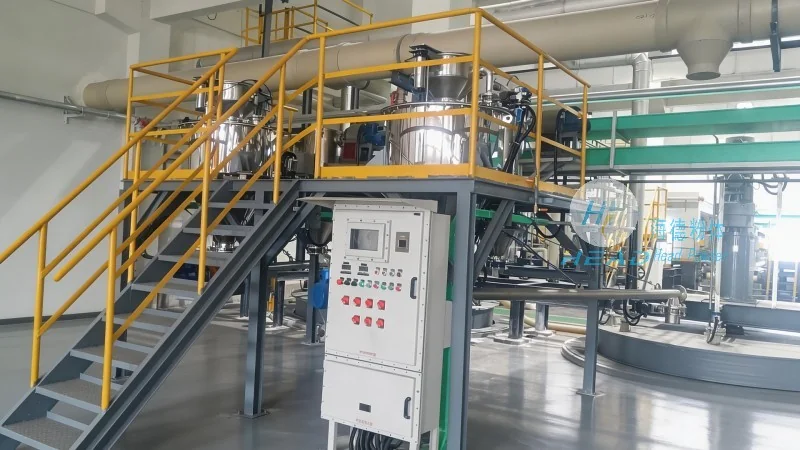
Components and Functionality of the Urea Granule Pneumatic Conveying System
A typical urea granule pneumatic conveying system consists of several key components that work together to achieve efficient material transport. The primary components include a hopper or storage silo for holding the urea granules, a feeder mechanism (such as a rotary valve or screw feeder) to control the flow of material into the pipeline, a conveying pipeline (usually made of stainless steel or other corrosion-resistant materials), a blower or air compressor to generate the necessary air pressure, and a receiver or discharge hopper at the end of the pipeline. The feeder mechanism is crucial as it ensures a consistent and controlled flow of urea granules into the pipeline, preventing surges or blockages. The blower provides the necessary pressure to move the urea granules through the pipeline, with the air velocity being carefully regulated to match the material's characteristics. The pipeline design, including bends and fittings, is optimized to minimize pressure loss and maintain the conveying velocity. The receiver at the end of the system collects the urea granules and may include a discharge valve or conveyor to transfer the material to the next stage of processing. Each component is selected based on the specific requirements of the urea granules and the operational conditions of the system, ensuring that the overall system operates efficiently and reliably. For example, the blower capacity is determined by the required air volume and pressure, which depends on the pipeline length, diameter, and the number of bends. Proper sizing of the blower is essential to avoid under- or over-conveying, which can lead to system inefficiencies or material degradation.
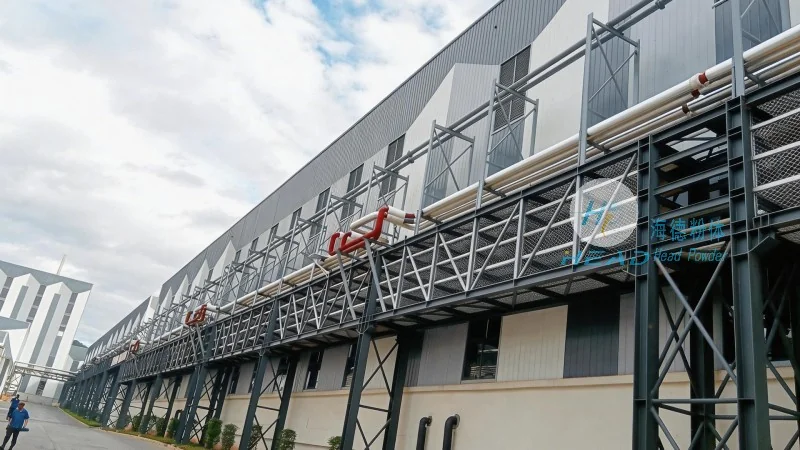
Advantages and Applications of Urea Granule Pneumatic Conveying Systems
Urea granule pneumatic conveying systems offer several advantages over traditional conveying methods, such as belt conveyors or bucket elevators. One of the primary advantages is the ability to transport urea granules over long distances with minimal material degradation, as the system operates in a closed pipeline, protecting the material from moisture and contamination. Additionally, the system is highly flexible, allowing for changes in the conveying route or capacity without major modifications. The system also reduces labor costs and improves safety by eliminating the need for manual handling of urea granules, which can be dusty and potentially hazardous. These systems are widely used in the fertilizer industry for transporting urea granules from storage facilities to production lines, packaging plants, or distribution centers. They are also used in other industries where granular materials need to be transported over long distances, such as in the chemical or food processing sectors. The efficiency and reliability of urea granule pneumatic conveying systems make them a preferred choice for industrial applications requiring consistent and high-volume material transport. Furthermore, the closed system design helps in maintaining environmental standards by containing dust emissions, which is a critical consideration in modern industrial operations.
Customization and Maintenance of Urea Granule Pneumatic Conveying Systems
Urea granule pneumatic conveying systems can be customized to meet the specific needs of different industrial applications. Factors such as the capacity required, the distance to be covered, and the specific characteristics of the urea granules (e.g., moisture content, particle size distribution) are considered during the design phase. Customization may include adjustments to the pipeline diameter, the type of blower (centrifugal or positive displacement), and the feeder mechanism. Regular maintenance is essential to ensure the long-term performance and reliability of the system. This includes checking and replacing air filters, inspecting the blower and motor for wear, and cleaning the pipeline and receiver to prevent blockages. Proper maintenance helps in extending the lifespan of the system and reducing downtime. The system also includes monitoring and control systems that allow operators to adjust the air flow and pressure in real-time, ensuring optimal operation under varying conditions. These features contribute to the overall efficiency and cost-effectiveness of the urea granule pneumatic conveying system.
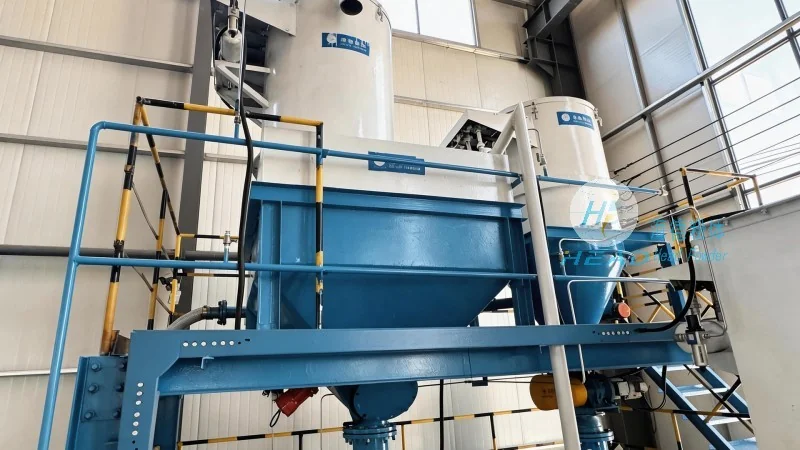
Conclusion: The Role of Urea Granule Pneumatic Conveying Systems in Industrial Operations
Urea granule pneumatic conveying systems play a vital role in modern industrial operations, particularly in the fertilizer industry. Their ability to efficiently and reliably transport urea granules over long distances, while minimizing material degradation and ensuring safety, makes them an indispensable part of industrial processes. The design principles and components of these systems are carefully engineered to meet the specific requirements of urea granules, ensuring optimal performance. As industrial demands continue to evolve, the customization and maintenance options available for urea granule pneumatic conveying systems will remain critical to maintaining operational efficiency and meeting environmental standards. The continued development and improvement of these systems will further enhance their role in supporting industrial production and supply chain logistics.