

What is a Cement and Mineral Powder Pneumatic Conveying System? What Are Its Design Principles?
For industrial applications that involve the handling of cement and other mineral powders, efficient and reliable material transport is crucial. A pneumatic conveying system offers a solution that minimizes dust, reduces material loss, and enhances overall operational safety. This article explores the fundamental aspects of such systems, focusing on their design principles and the technology behind them.
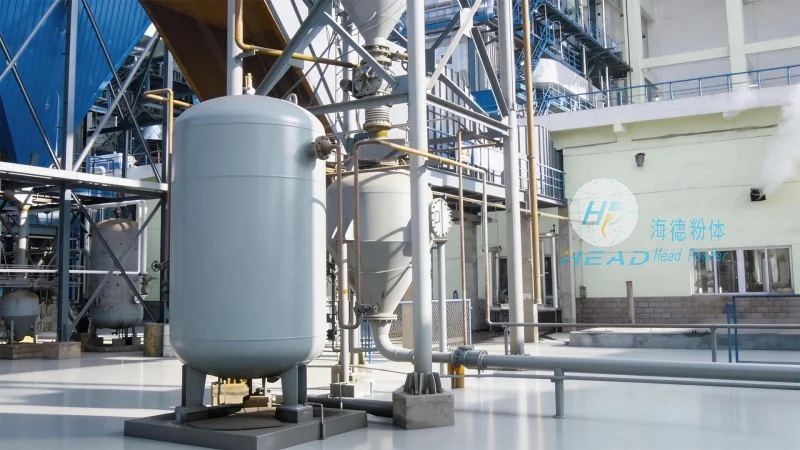
Understanding Pneumatic Conveying Technology
Pneumatic conveying systems utilize air or gas to transport bulk materials like cement, fly ash, and other mineral powders through a network of pipes. The process involves creating a pressure differential that propels the material from the source to the destination. There are two primary types of pneumatic conveying: pressure and vacuum systems. Pressure systems use compressed air to push the material, while vacuum systems create a negative pressure to pull the material through the system. The choice between these depends on factors such as material characteristics, distance, and system layout.
Key Components of a Pneumatic Conveying System
At the core of any pneumatic conveying system are several critical components that work in tandem to ensure smooth operation. These include the material feed hopper, which holds the bulk material and regulates its flow; the air compressor or vacuum pump, which provides the necessary pressure or vacuum; the conveying line, which transports the material; and the receiver, where the material is deposited. Additionally, components like rotary valves, filters, and dust collectors are essential for maintaining system efficiency and preventing material degradation.
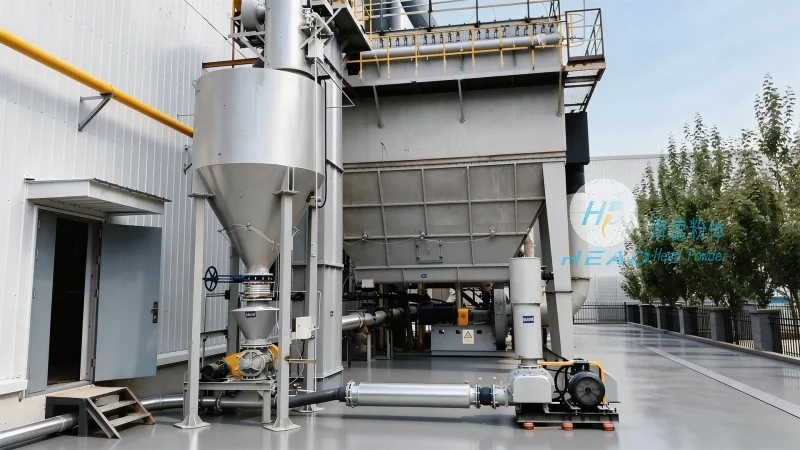
Design Principles for Optimal Performance
The design of a pneumatic conveying system is a complex process that requires careful consideration of several factors to achieve optimal performance. Key design principles include selecting the appropriate conveying velocity to prevent material deposition or blockages, ensuring proper pipe sizing to maintain adequate air flow, and implementing effective material handling strategies to minimize wear and tear on system components. Engineers must also account for the physical properties of the material, such as particle size, density, and moisture content, as these directly impact the system's efficiency and reliability.
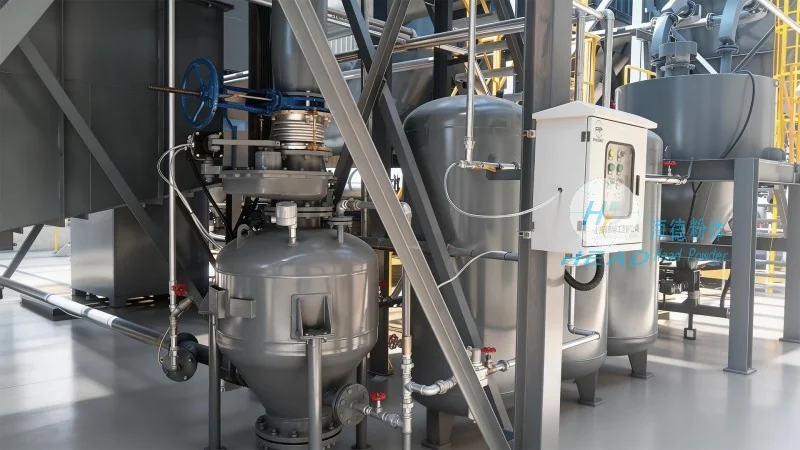
Applications in Cement and Mineral Processing
Pneumatic conveying systems are widely used in the cement industry for transporting raw materials, clinker, and finished products. They are also employed in mineral processing plants to handle fly ash, silica sand, and other powders. The benefits of using pneumatic conveying in these applications include reduced labor costs, improved safety by eliminating manual handling, and enhanced product quality by minimizing contamination and degradation.
Role of Shandong HeadPowder Engineering Co., Ltd.
Shandong HeadPowder Engineering Co., Ltd., a leading provider of material handling solutions, specializes in designing and manufacturing pneumatic conveying systems tailored to the needs of the cement and mineral processing industries. With a focus on innovation and customer-centric solutions, the company leverages advanced engineering principles to develop systems that meet the highest standards of efficiency, reliability, and safety. Based in Shandong, China, HeadPowder has extensive experience in customizing systems for various industrial applications, ensuring that clients receive tailored solutions that address their specific operational requirements.