

What is a Molybdenum Trioxide Pneumatic Conveying System? What Are Its Design Principles?
Molybdenum trioxide (MoO₃), a critical industrial chemical, often requires efficient and reliable material handling solutions for its transportation. The molybdenum trioxide pneumatic conveying system is a specialized technology designed to transport this valuable compound safely and effectively. This article explores the fundamental aspects of such systems, focusing on their design principles and operational capabilities.
Understanding Pneumatic Conveying Technology
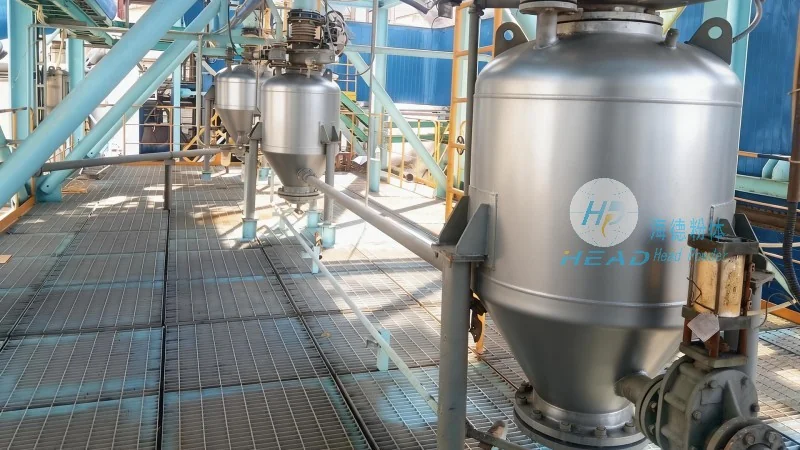
Pneumatic conveying systems utilize air or gas to transport bulk materials through a pipeline network. In the case of molybdenum trioxide, which is typically a fine powder, this method offers several advantages over traditional mechanical conveying. The system works by creating a pressure differential that propels the material along the pipeline, ensuring minimal product degradation and contamination. This technology is particularly suited for handling sensitive materials like MoO₃, which can be easily affected by friction or moisture.
Key Design Principles of Molybdenum Trioxide Pneumatic Conveying Systems
The design of a molybdenum trioxide pneumatic conveying system involves several critical principles to ensure optimal performance and safety. First, the system must be constructed from materials that are compatible with MoO₃ and resistant to corrosion, as the compound can be reactive under certain conditions. Common materials include stainless steel and specialized alloys that prevent chemical reactions with the conveyed material. Second, the system’s pressure and flow rates are carefully engineered to maintain the material in a suspended state, preventing blockages and ensuring consistent transport. This involves precise control of air velocity and pipeline dimensions to match the particle size and density of MoO₃. Third, the system incorporates features for dust control and environmental safety, as fine powders like MoO₃ can pose health and safety risks if not managed properly. This includes filtration systems and containment measures to prevent airborne particulates from escaping into the environment.
Components and Operational Flow of the System
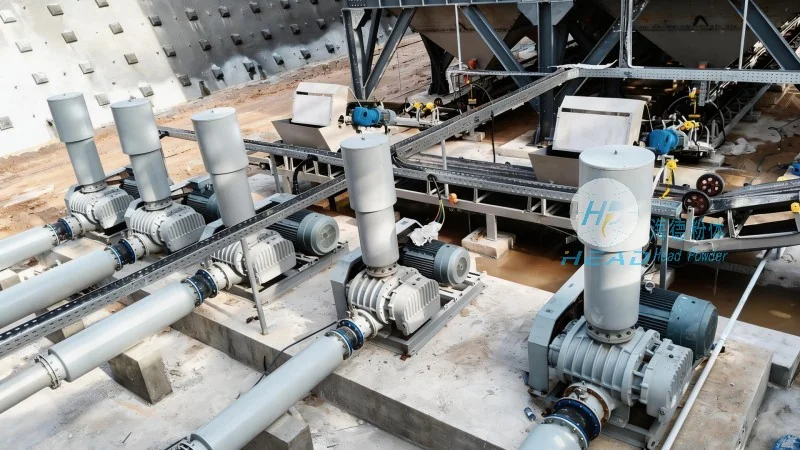
A typical molybdenum trioxide pneumatic conveying system consists of several key components that work in tandem to achieve efficient material transport. The primary components include a material hopper or feeder, which stores and dispenses the MoO₃ powder; a blower or air compressor that generates the necessary air pressure; a pipeline network that transports the material; and a receiver or discharge unit where the material is collected. The operational flow begins with the material being fed from the hopper into the pipeline. The blower then introduces compressed air, creating a low-pressure zone that draws the MoO₃ particles into the air stream. The mixture of air and powder travels through the pipeline, with the air velocity maintained at a level sufficient to keep the particles suspended. Upon reaching the receiver, the air is separated from the material, often through a cyclone or filter, and the MoO₃ is collected for further processing or storage. The system is designed to operate continuously, with controls that monitor pressure, flow, and material levels to ensure smooth and uninterrupted operation.
Advantages and Applications of Molybdenum Trioxide Pneumatic Conveying
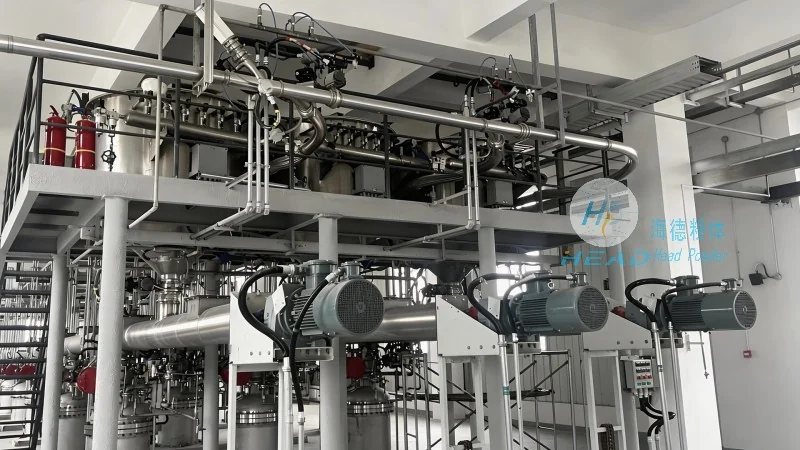
The molybdenum trioxide pneumatic conveying system offers numerous advantages over other material handling methods. One of the most significant benefits is its ability to handle fine powders without the need for mechanical components that can cause wear and tear or contamination. This results in lower maintenance costs and longer equipment life. Additionally, the system provides a clean and dust-free environment, which is crucial for maintaining product quality and adhering to safety regulations. The technology is also highly flexible, allowing for changes in material flow rates and pipeline configurations without major modifications. In industrial applications, molybdenum trioxide is used in various processes, including the production of molybdenum metal, catalysts, and pigments. The pneumatic conveying system is particularly useful in these applications as it ensures the material is transported efficiently from storage to processing units, minimizing downtime and maximizing productivity. The system’s ability to handle sensitive materials like MoO₃ also makes it suitable for applications where product purity is paramount, such as in pharmaceutical or food processing industries (though MoO₃ is not typically used in these sectors, the principle applies to similar sensitive materials).
Conclusion and Company Overview
In conclusion, the molybdenum trioxide pneumatic conveying system is a sophisticated and reliable solution for transporting this critical industrial chemical. Its design principles, which focus on material compatibility, pressure control, and environmental safety, ensure optimal performance and product integrity. The system’s components work together seamlessly to provide efficient and continuous material handling, making it an essential technology in modern industrial operations. As a leader in engineering solutions for bulk material handling, Shandong HeadPowder Engineering Co., Ltd. specializes in designing and manufacturing such systems tailored to the specific needs of clients. With a commitment to quality and innovation, the company provides customized pneumatic conveying solutions that enhance operational efficiency and safety for industries relying on molybdenum trioxide and other fine powders.